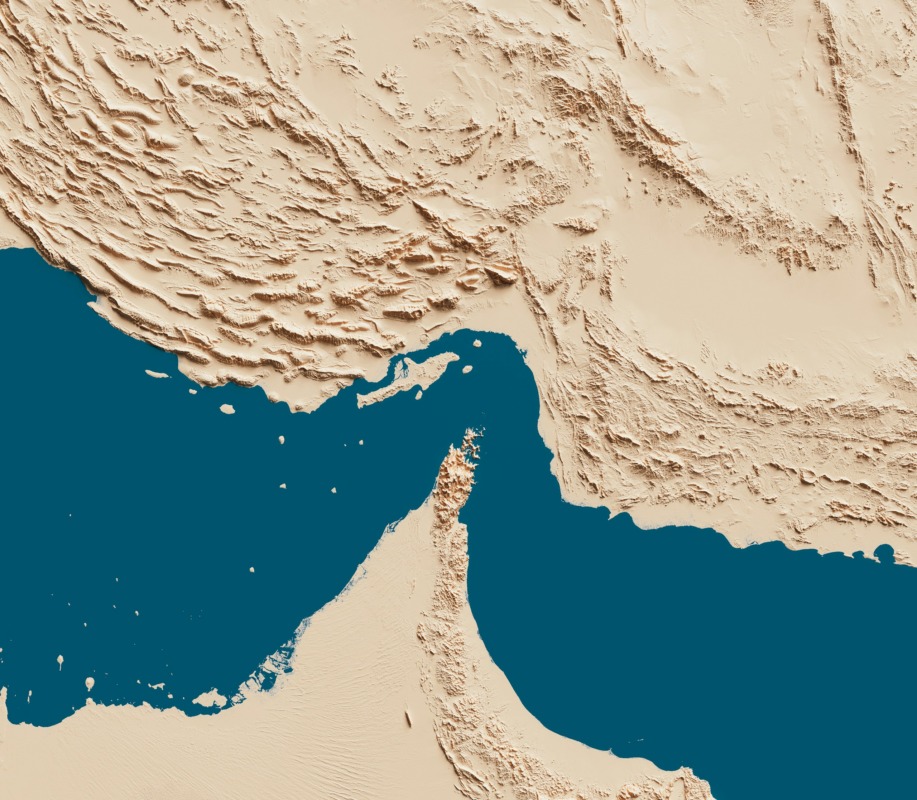
New developments that threaten to upend the atmosphere of international euphoria are coming to light, as Iranian media report that Tehran has succeeded in adding a clause regarding the imposition of «tolls» in the Strait of Hormuz as part of the final agreement with the U.S.
According to the Iranian news agency Fars, Washington has reportedly agreed to the establishment of shipping «fees» for the passage of vessels, a development that stands in direct contrast to recent statements by Donald Trump, who had assured that navigation through the Straits would be completely free once they were opened.
Free access for 60 days only
Iranian media reports state that the agreement explicitly affirms the sovereignty of Iran and Oman over the Strait. According to Tehran’s plan:
- The free passage regime for commercial vessels will apply only for the first 60 days since the opening of the Straits, which is scheduled for this coming Friday (June 19).
- After two months, Iran plans to impose fees in exchange for providing security, navigation, environmental protection, and insurance services.
The Strait of Hormuz as a «golden» bargaining chip
The 108-day war gave Tehran the ultimate bargaining chip: control over the smooth supply of the global energy market. This is a card that Iran had never played until February 28, and which it is now cashing in on for extremely high stakes.
Based on pre-war traffic figures, approximately 30,000 ships and 7.6 billion barrels of oil pass through the Strait of Hormuz each year. It is estimated that imposing tolls could generate revenue for Iran revenue exceeding 10 billion dollars annually. This amount is in addition to the $300 billion in reconstruction funds that are expected to be sent directly to the country.
Market concerns over costs
If the leaks from Iran are confirmed, this development could cast a shadow over the sustained relief rally in international markets and the plunge in oil prices. The prospect of a permanent economic burden on the planet’s most critical maritime passage is expected to affect the long-term costs of logistics and energy transportation, keeping international analysts on high alert.