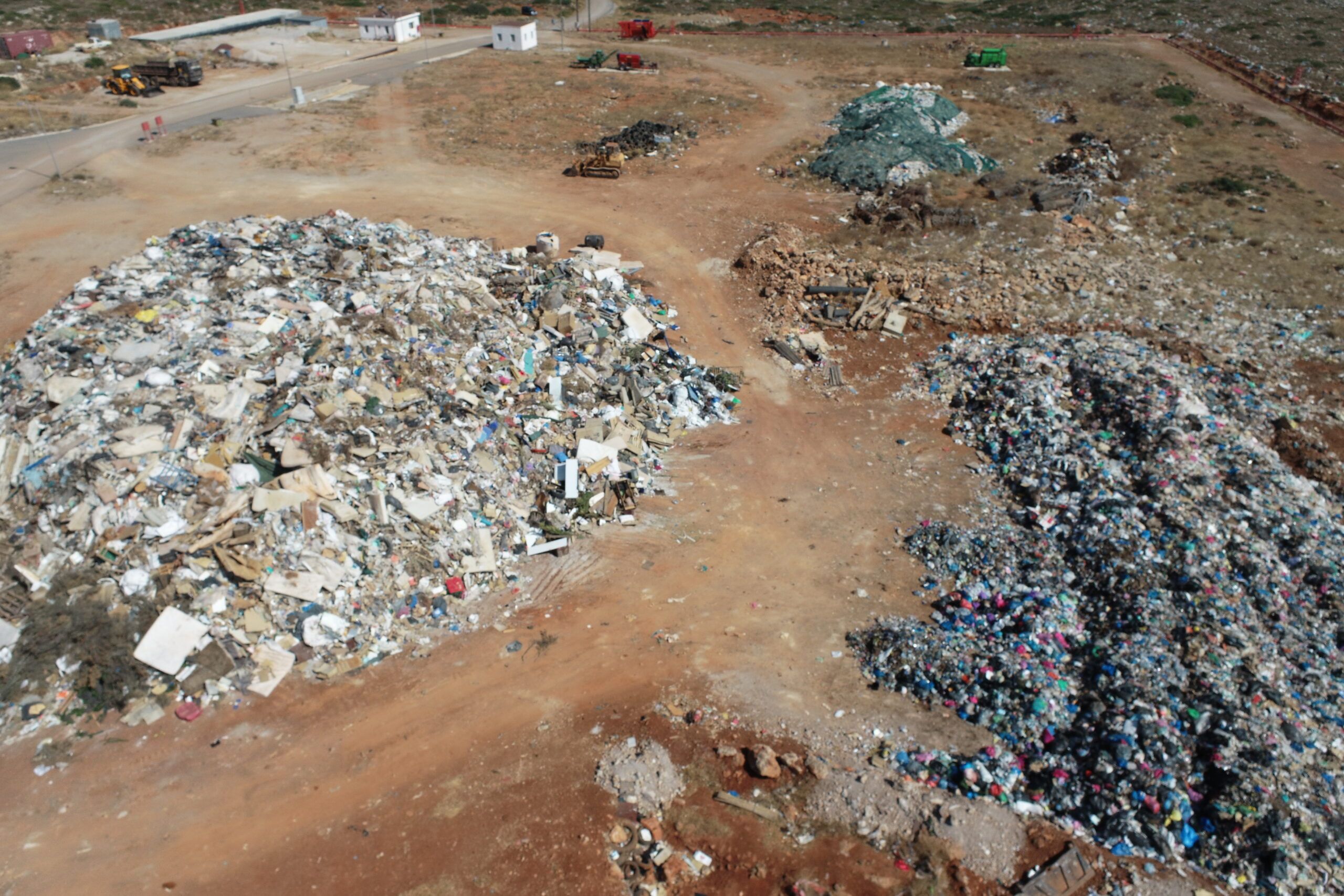
The first issue in the news is again the problematic situation in the management of waste in Attica, as the country's largest body, the EDSNA (Special Association of the Prefecture of Attica), was judged for the second time in a few months administratively inadequate, according to a new communication from Waste, Energy and Water Regulatory Authority (Waste, Energy and Water Regulatory Authority).
EDSNA manages approximately the 50% of the country's waste and has undertaken projects amounting to EUR 1 billion. However, it still does not meet either the basic staffing and transparency requirements, such as the submission of balance sheets, which increases concerns about the progress of projects and the use of public funds.
Deficiencies in other regions
According to the report of RAAEY, other FODSAs such as:
- Ο SYDISA South Achaia (Western Greece)
- Ο ESDC (Eastern Crete)
- Ο FODSA Epirus
The lack of staff is glaring: for example, the Peloponnese FODSA has 36 permanent employees and only one. 404 people are employed by EDSNA, while the following are required 609. Recycling rates remain below 20%, while the 80% of waste continues to be buried.
Towards privatisation of waste management?;
As the report reveals Hadjigeorgiou in the Eph.Syn.(6 May 2025), the government seems to be oriented towards the bypassing of local government and the transfer of powers to private individuals. This will mean that the municipal fees may be determined in the future by private companies, with the state in the role of... spectator.
This development gives rise to multiple risks for transparency, social justice and public accountability. Despite the governmental rotation of ministers in the Ministry of Environment, Mr. Manolis Grafakos remains a steadfast Secretary General of Waste Management, undertaking the implementation of projects through direct state management.