The study was conducted by the archaeologist Laura Preston and published in the Oxford Journal of Archaeology in 2007. The research is part of the wider study of the Kythera Island Project (KIP).
Summary
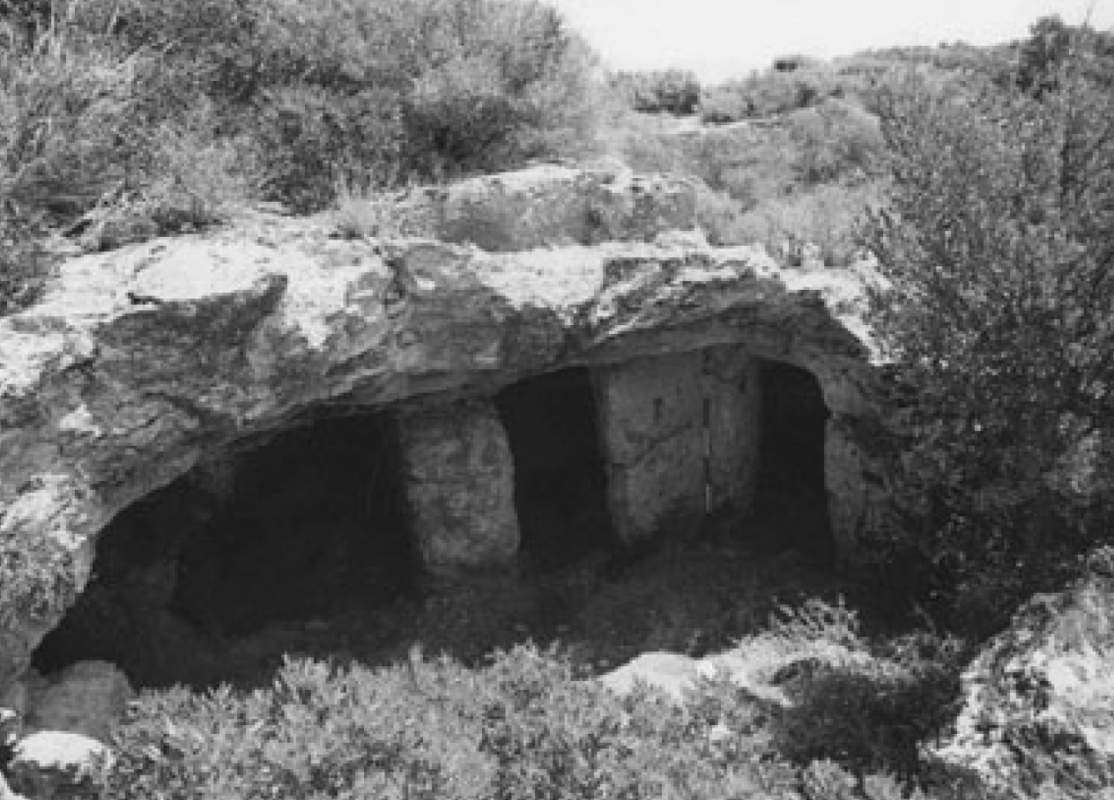
The present study examines the spatial and social organization of the Neo-Anacostal burial landscape (c. 1700-1450 BC) around the settlement of Kastri in Kythera. The author analyses how the arrangement of the carved chamber tombs and their relationship with the settlement reflect the social structure and collective identity of the local community during the intense «Minoanization» of the island.
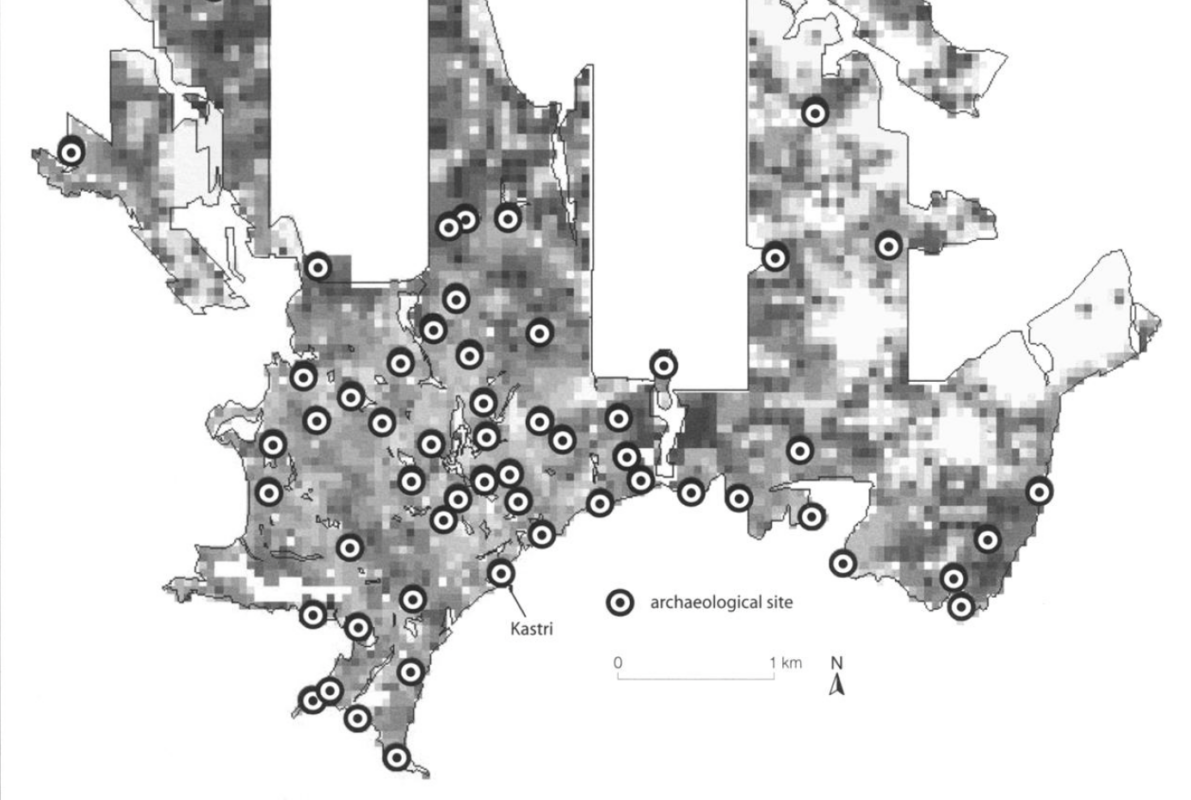
The survey is based on data from earlier excavations and modern surface surveys by the Kythera Island Project, recording an extensive cemetery zone surrounding the settlement. It is noted that the construction of multi-chambered tombs, which were used for multiple burials over several generations, suggests a society organised into wider kinship or social groups rather than strictly hierarchical elites. Preston argues that the visibility of the graves in the landscape and their proximity to access roads to the settlement served as a lasting reminder of the community's ties to the land and its ancestors.
Particular emphasis is given to the comparison with the burial practices of Crete, where it is observed that, despite the adoption of Minoan cultural elements, the inhabitants of Kastri retained a particular local identity. The use of sacramental vessels (ceramic vessels imitating stone or metal models) in the graves is interpreted as a way of managing social prestige in a context that promoted collectivity. In conclusion, the study highlights the burial landscape as a dynamic field where social relations were constantly reshaped through rituals and memory.