It was October 15, 1962, when the American president, John F. Kennedy was informed by the spy services that 42 Soviet ballistic missiles with nuclear warheads were located in the Cuba and they could hit any city in the United States within minutes. Their development had been authorized by the Fidel Castro, fearing American intervention.
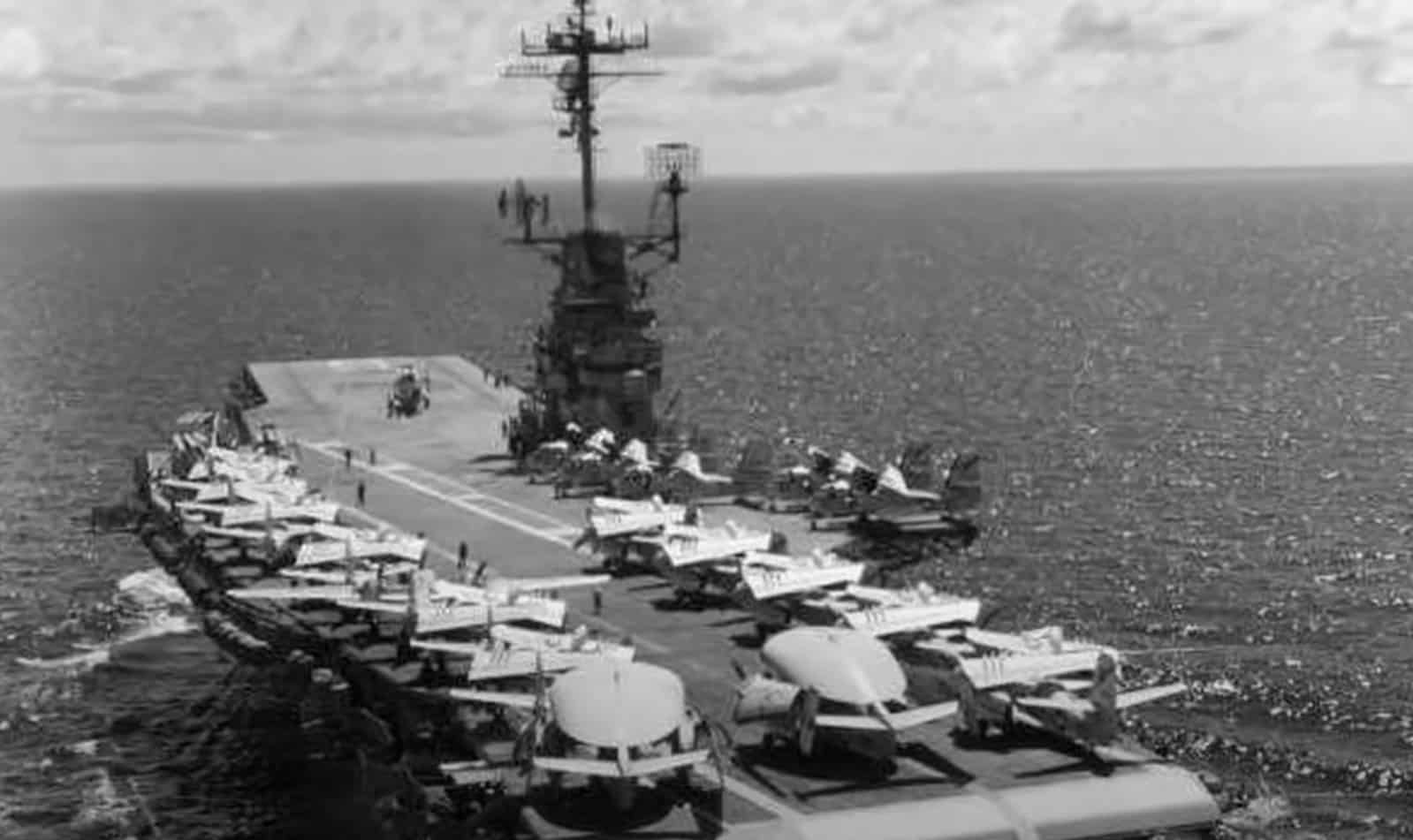
The thirteen days that followed were the most dangerous that humanity has ever experienced. On October 22, President Kennedy announced that the U.S. Navy would impose a blockade of Cuba and proceed to «seize offensive weapons and related material» that Soviet vessels might attempt to deliver to Cuba. In the following days, Soviet ships bound for Cuba changed course and moved away from the blockade zone.
Tensions were constantly escalating and the danger of nuclear disaster was getting closer and closer, as feverish messages were exchanged between the two superpowers.. The crisis came to a head on 27 October, when a US spy plane U2 was shot down in Cuban airspace, while another was intercepted over Russia.
The conflict was avoided at the last moment, on 28 October, when the Soviet leader, Nikita Khrushchev agreed to stop work on the installation of the missiles and to withdraw those already on the island. In return, Kennedy pledged that the US would never invade Cuba, and made a secret promise to remove the nuclear missiles previously installed in Turkey.
In the weeks that followed, the two superpowers began to carry out what they had promised and by the end of November, the crisis was over. Cuban leader Fidel Castro refused to accept UN observers in his country, unhappy that he had been excluded from the Kennedy-Khrushchev contacts and furious with the Soviet leader for his attitude.