As one country after another unfolds the vaccination programmes them, making a race against the coronavirus, a rather unexpected country seems to be leading in this «race»: the Israel. By this weekend is expected to have vaccinated over 10% of the population of, of about nine million, i.e. at least one in ten of its inhabitants. A figure by far better than any other country in the world. The Bahrain, the Gulf Arab country, with a population of about one and a half million, is currently estimated to be in second place internationally, having vaccinated about 3% of its population.
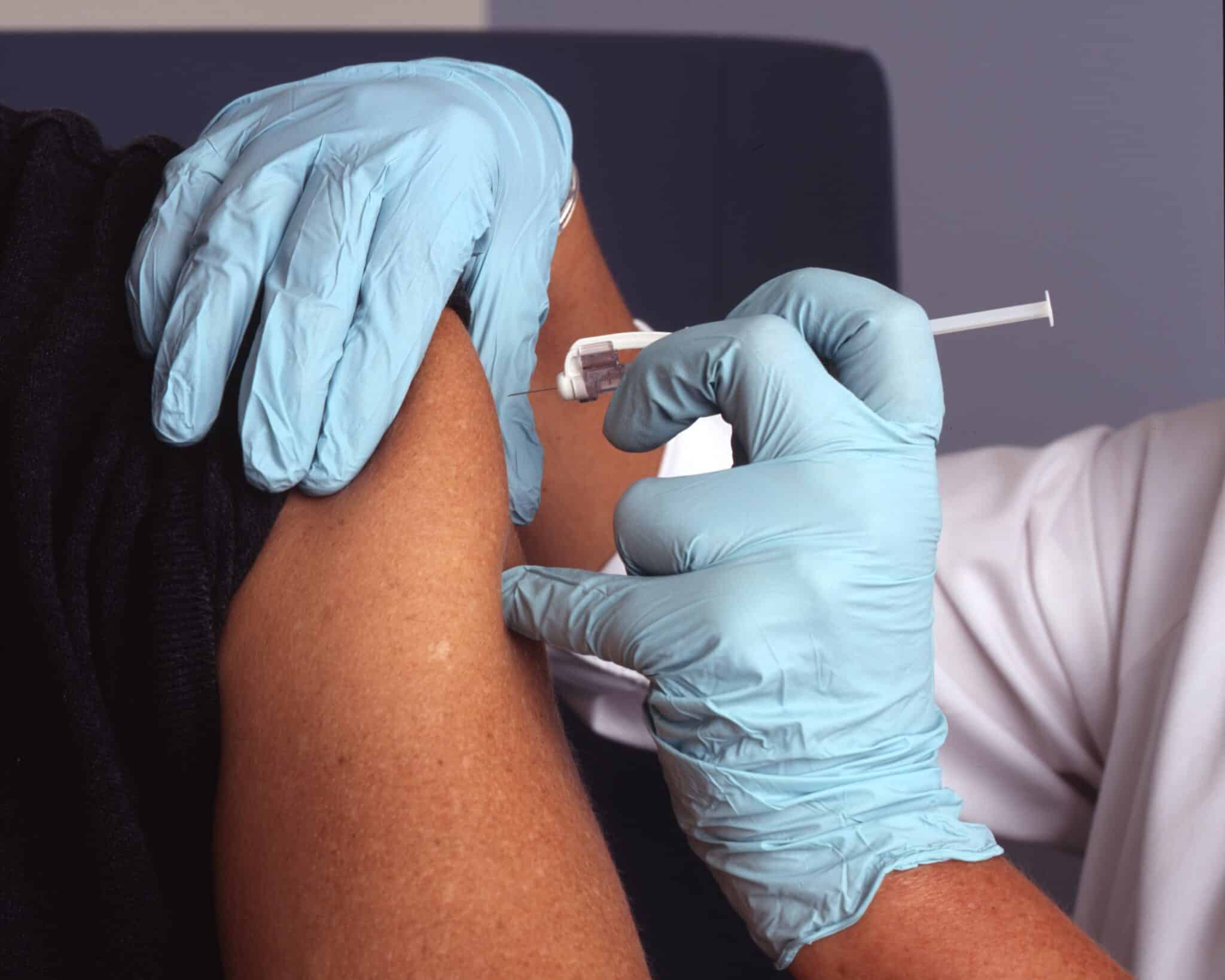
The Israeli Prime Minister Benjamin Netanyahu has promised that his country will be the first out of the pandemic if citizens work together. Israel has embarked on a 24-hour effort, with health authorities, according to ’Guardian», administer the first dose of the vaccine of Pfizer/BioNTech at a rate of 150,000 people per day, i.e. almost 2% of the population is vaccinated every day.
Priority for vaccination is given to people over 60 years of age, health workers and vulnerable groups. The country has agreements with Pfizer and Moderna to procure several more million tranches in early 2021. Military doctors are helping significantly in the vaccination operation, and the Israeli government has launched a broad campaign against misinformation by vaccine deniers. For its part, the Ministry of Justice has already succeeded in pressing the Facebook, to ban the accounts of four anti-vaccine user groups.
Citizens are encouraged to get the vaccine and from the perspective of «green passport», a document that will allow people who have been demonstrably vaccinated, eat freely in restaurants, travel and be exempt from quarantine restrictions. However, this incentive has been met with opposition, as there is still no proof that anyone who has had the vaccine can't transmit the coronavirus.
The Israeli government's ambitious inoculation operation has political motives, according to the British newspaper, as Netanyahu is once again facing the challenge of new elections on March 23, wishing therefore to have his country back to a form of normality by then and to take credit for this achievement. He has been in constant contact from the outset with the Greek-born Pfizer CEO Alberto Burla, calling him even at two o'clock after midnight in order to secure sufficient doses of vaccine for Israel in time.
On the other hand, Israel is in the midst of a third national «lockdown», which has disappointed many citizens. At the same time, there is the problem of the millions of Palestinians living in the West Bank and Gaza who have not yet been included in the vaccination programme, so it could be months before the first vaccines are given to them.
Already, accusations have been made that Israel is discriminating, in violation of its moral, humanitarian and legal obligations, as Israeli settlers living in settlements in the Palestinian territories are being vaccinated. The Palestinians hope to secure some vaccines through the international initiative COVAX under the auspices of World Health Organization (WHO). The head of the WHO office in Jerusalem Gerald Rockensaub said that the first vaccines in the Palestinian territories are expected in early to mid-2021.
The Israeli authorities have indicated that they may give surplus vaccines to Palestinians, although the Palestinian Authority has not formally requested assistance from the Israeli government. The delay in vaccinating the Palestinians may, however, have a negative impact on Israel itself, as several thousand Palestinians work both in Israel and in Israeli settlements in the Palestinian territories. Delayed vaccination of the latter may eventually bring obstacles to the achievement of collective immunity (herd immunity) in Israel itself.