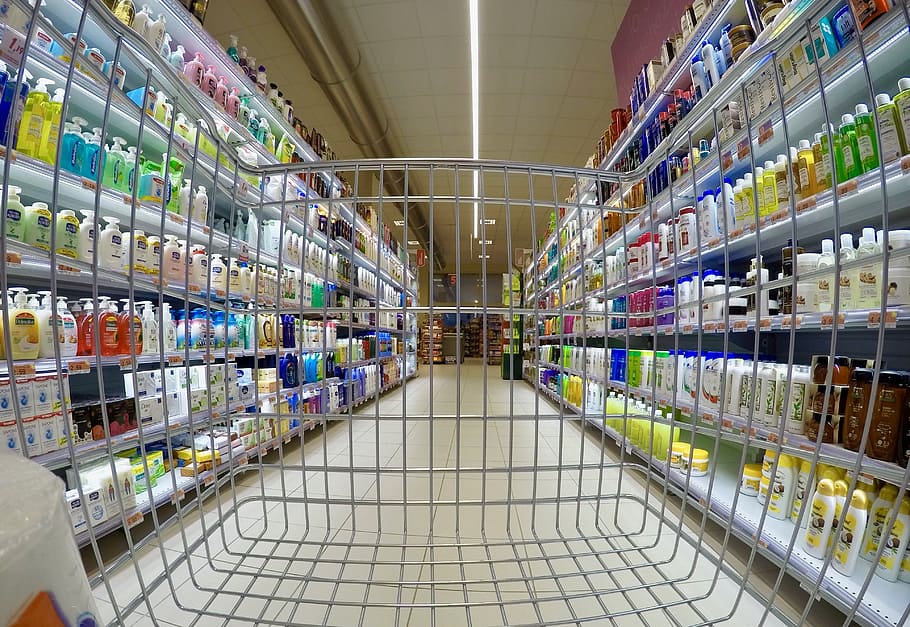
In particular, in one year appreciations were recorded in: Bread and cereals (11.1%), Meat - general (11.9%), Fish - general (5.2%), Dairy and eggs (18%), Oils and fats (15.8%), Fruits - general (2.6%), Vegetables - general (9.7%), Sugar - chocolates - sweets - ice cream (10.3%), Other foodstuffs (14.2%), Coffee - cocoa - tea (13.2%), Mineral water - soft drinks - fruit juices (12.9%) and Alcoholic beverages - non-service (8.3%).
On average, food prices in the first five months of the year «inflated» by 9.2%, while last year in the same period they reached 6.8%.
Reduction in the week's shopping
So with the supermarket shelf - and not only - burning up, more and more consumers are cutting back on their shopping for the week and limiting themselves to the bare essentials.
The largest decrease is recorded in ready meals at 48.3% and in alcoholic beverages at 41.1%.
In addition, consumers are now turning to label products and choosing stores depending on the offers they receive.
And even though food sales are constantly falling, the constant revaluations are lining the pockets of supermarket chains, which increased their turnover significantly between January and May.
Reduced expenditure by 15% on holidays
But spending cuts, as shown by the latest survey of the Hellenic Business & Retail Sales Association (Hellenic Retail Association), will also be made during the summer holidays, as more and more people are inventing «tricks» in order to reduce spending during their holidays.
The survey was carried out with the scientific support of the ELTRUN laboratory of the Athens University of Economics and Business in the period 3-5 June 2022 on a sample of 880 consumers and reveals important data:
The majority of people choose holiday homes, either hospitality (26%) or accommodation (22%). 20% choose accommodation in rooms to let and only 9% choose accommodation in hotels (7% without board and 2% with full board). 6% choose camping and 6% choose travel abroad.
Remarkably, almost one in two (45%) say that they often cook during the holidays, which means that they are trying to reduce their food expenditure. Meanwhile 66% say they often visit food shops such as supermarkets which again shows a tendency to save money, while 53% buy local produce. Only 16% buy other types of products on holiday, either souvenirs or other products such as clothes, shoes, jewellery, toys etc.
The above figures show that spending on this year's holidays is estimated to be down by 15%.
As for the reasons? The survey shows that this is mainly due to reduced income due to product price increases (with an increase from 63% to 69%), followed by transport costs (with a decrease from 52% to 43%), increased accommodation costs (with an increase from 23% to 38%) and reduced income due to energy costs (with a decrease from 50% to 37%).