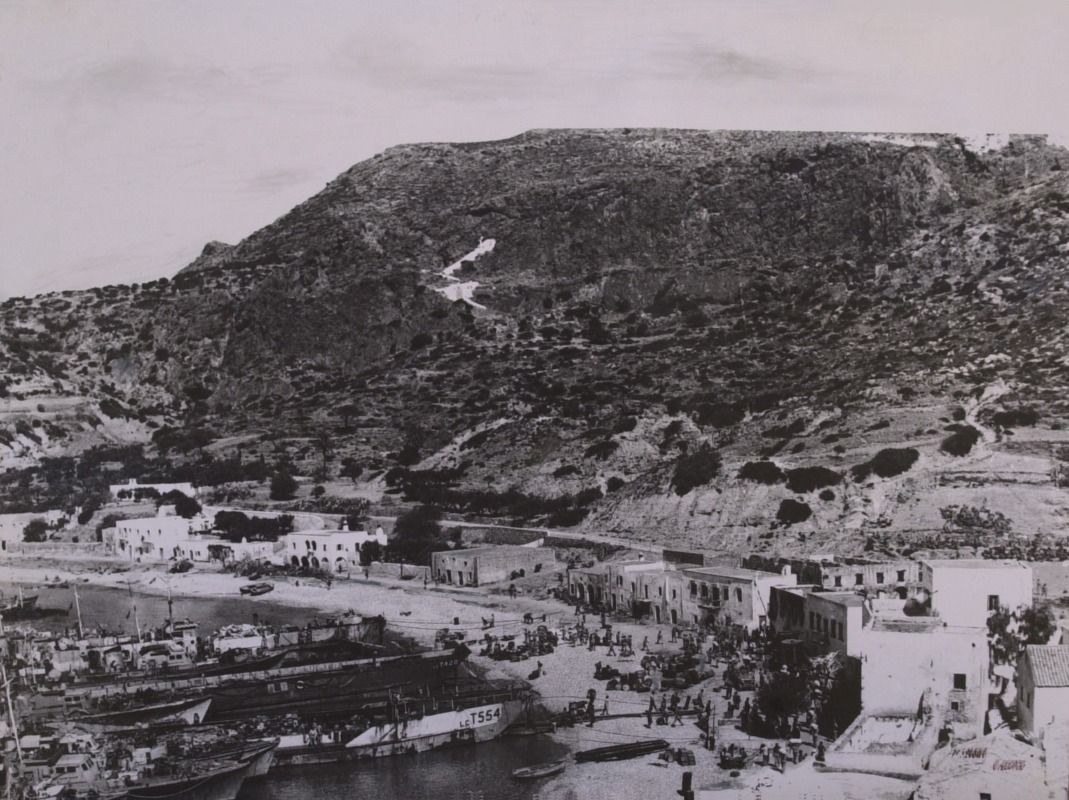
An informal veil of silence seems to shroud the period of the Occupation and the National Resistance on the island of Kythira. Unlike other Greek islands, where the memory of the Resistance during World War II is kept alive and local fighters are honored, nothing of the sort has happened on Kythira. Today, visitors will not find even a single monument commemorating that era.
In her academic paper titled «Postwar Legacies on the Island of Kythira: Oblivion versus Historical Memory,» researcher Irini Lagani sheds light on this often-silenced period. The study explores how and why the people of Kythira collectively chose the path of oblivion, examining the following critical issues:
The North-South divide: How did the resistance movement develop in the northern part of the island, while in the south, due to fear of German reprisals, the Resistance faced obstacles?.
Avoiding the Civil War: The way in which, despite deep ideological differences, the local community ultimately managed to prevent a devastating civil war from spreading across the island.
The danger of historical ignorance: The warning that the downplaying of this period and the lack of instruction in local history leave younger generations vulnerable to propaganda from far-right and neo-Nazi groups.
This is a significant contribution to the reconstruction of local history, which aims to foster understanding, reconciliation with the past, and the rejection of ignorance.
The study has been published in the anthology *Heritage and Memory of War: Responses from Small Islands*, edited by G. Carr and K. Reeves, Routledge, New York & London, 2015.