The study was written by the archaeologist Mars Tsaravopoulos. It was presented at a scientific conference in Sibiu, Romania and examines the archaeological data of the early Christian period on the island.
Summary
This paper focuses on the settlement activity in Antikythera during the crucial transitional period from Late Antiquity to Early Byzantine times (5th-7th century AD). After a long period of relative desolation following the destruction of the Hellenistic city by the Romans, the island seems to have regained strategic importance as a station in the maritime networks of the eastern Mediterranean.
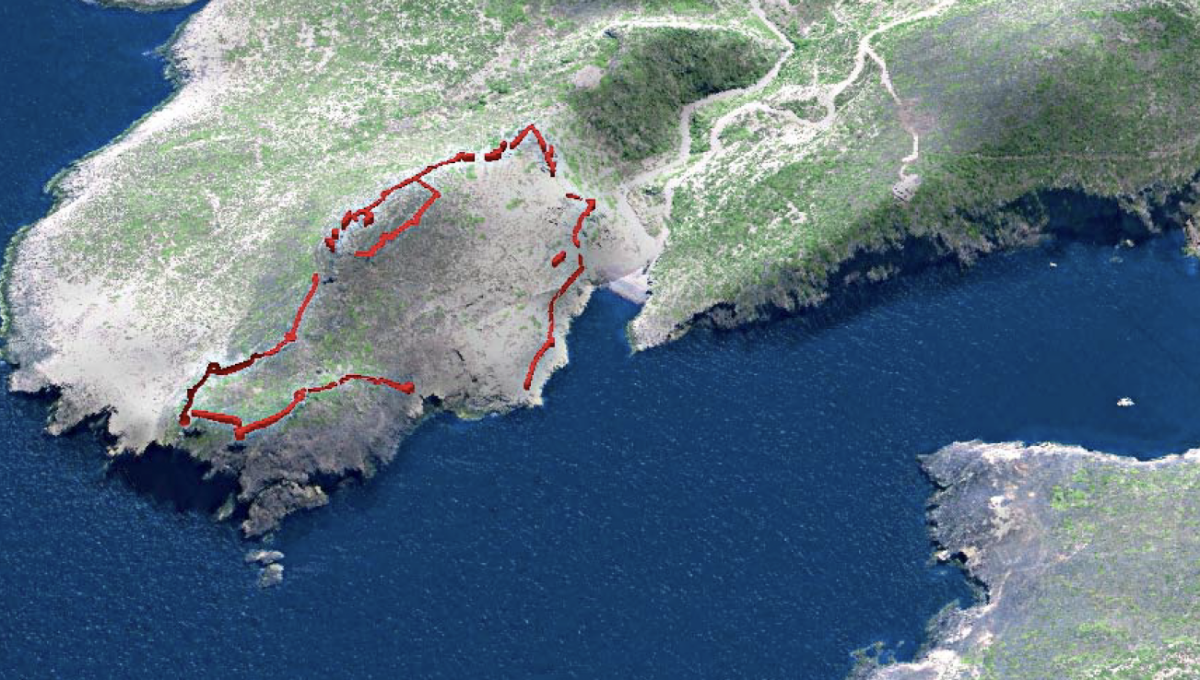
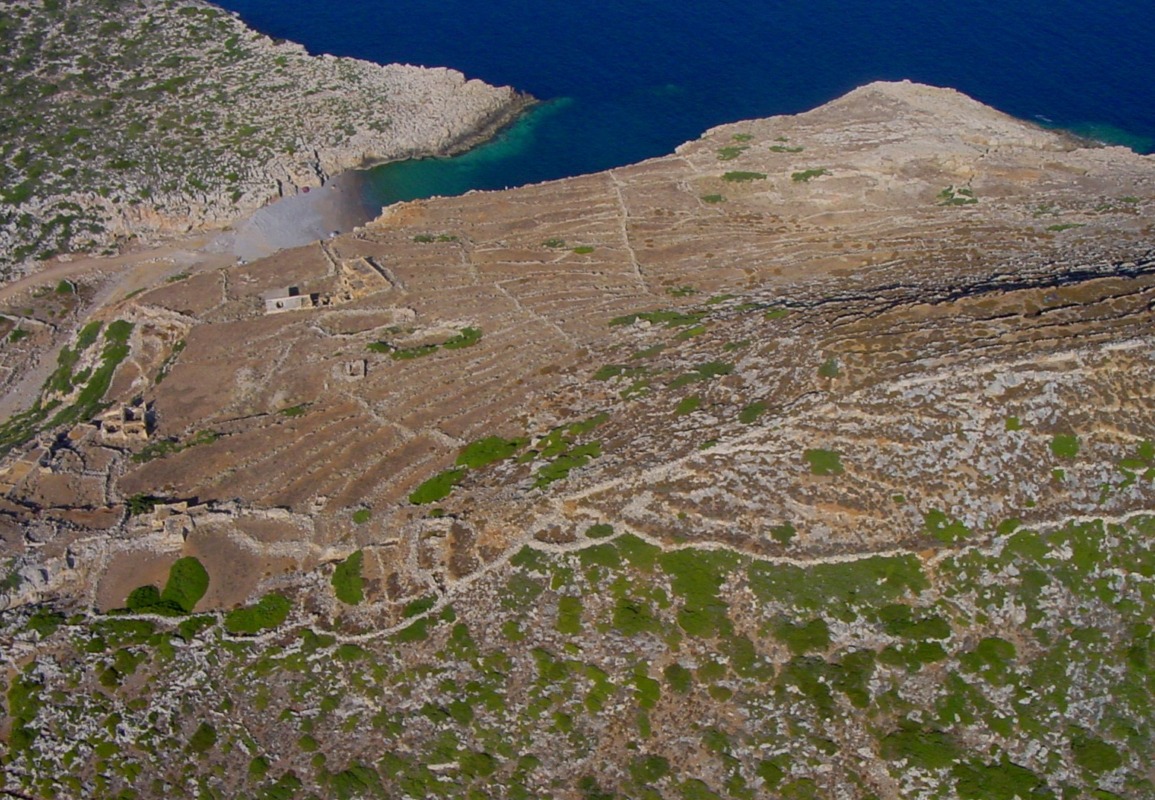
Archaeological research documents the existence of a scattered settlement pattern, with the main focus on the area of Potamos, where remains of buildings and abundant pottery of the period were found. The finds include mainly commercial amphorae and fine wares, which testify to Antikythera's commercial contacts with Crete, the Peloponnese and the coast of North Africa. The presence of this material culture suggests a community which, despite its small size, was fully integrated into the economic structures of the Byzantine Empire.
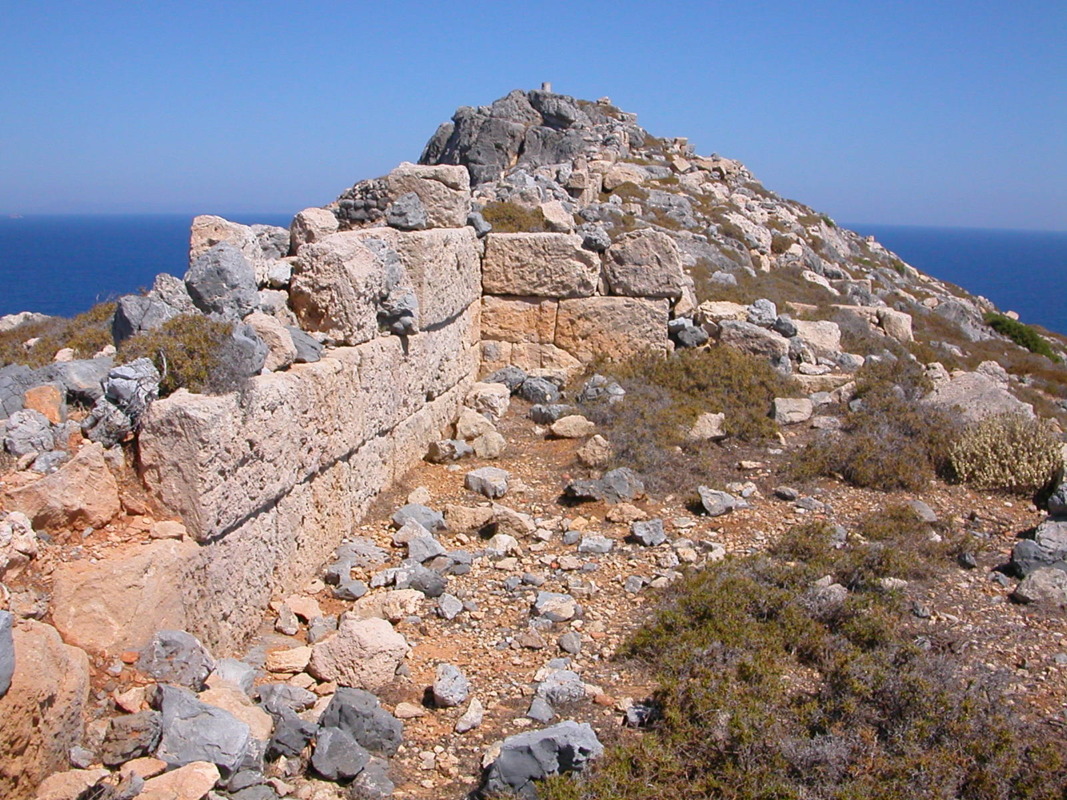
Particular emphasis is placed on religious monuments, with the identification of early Christian architectural elements that indicate the operation of temples on the island during the period under consideration. The study concludes that Antikythera served as a safe haven and watchtower in an era of increasing insecurity in the Mediterranean, offering new insights into the survival and organisation of small island communities during the «dark ages».