The study was written by the archaeologist Mars Tsaravopoulos. It presents the excavation and research work of the 2nd Ephorate of Prehistoric and Classical Antiquities during the five-year period 1999-2003.
Summary
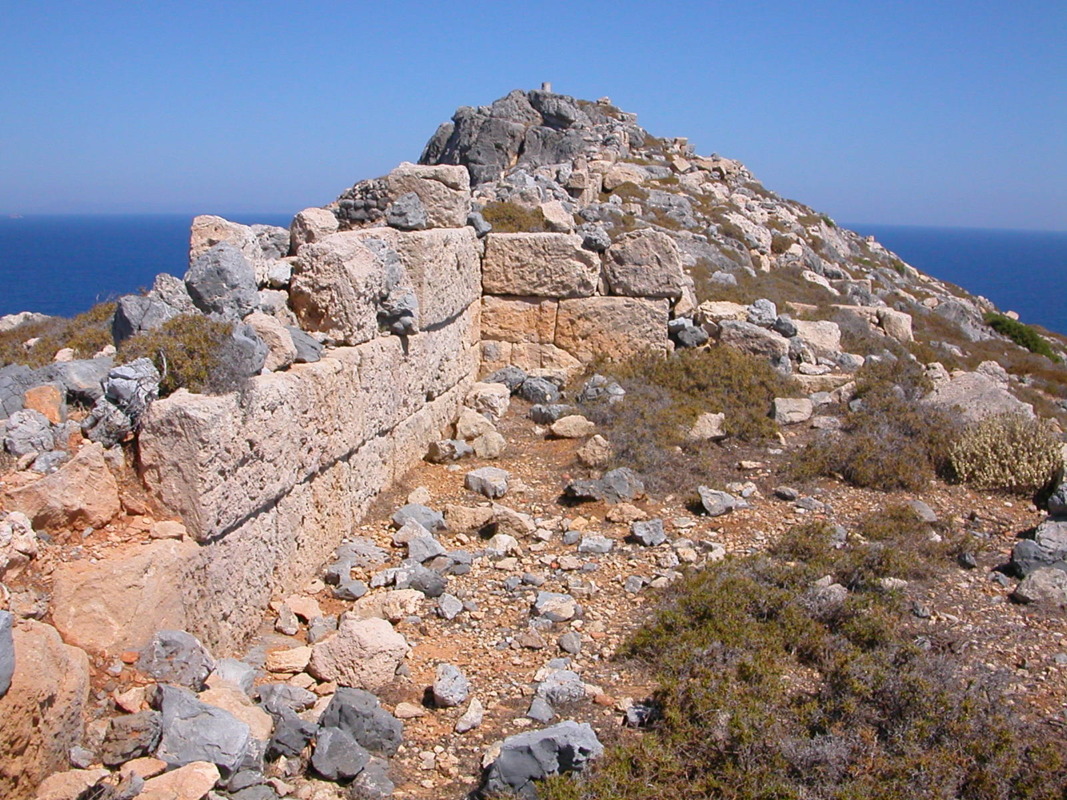
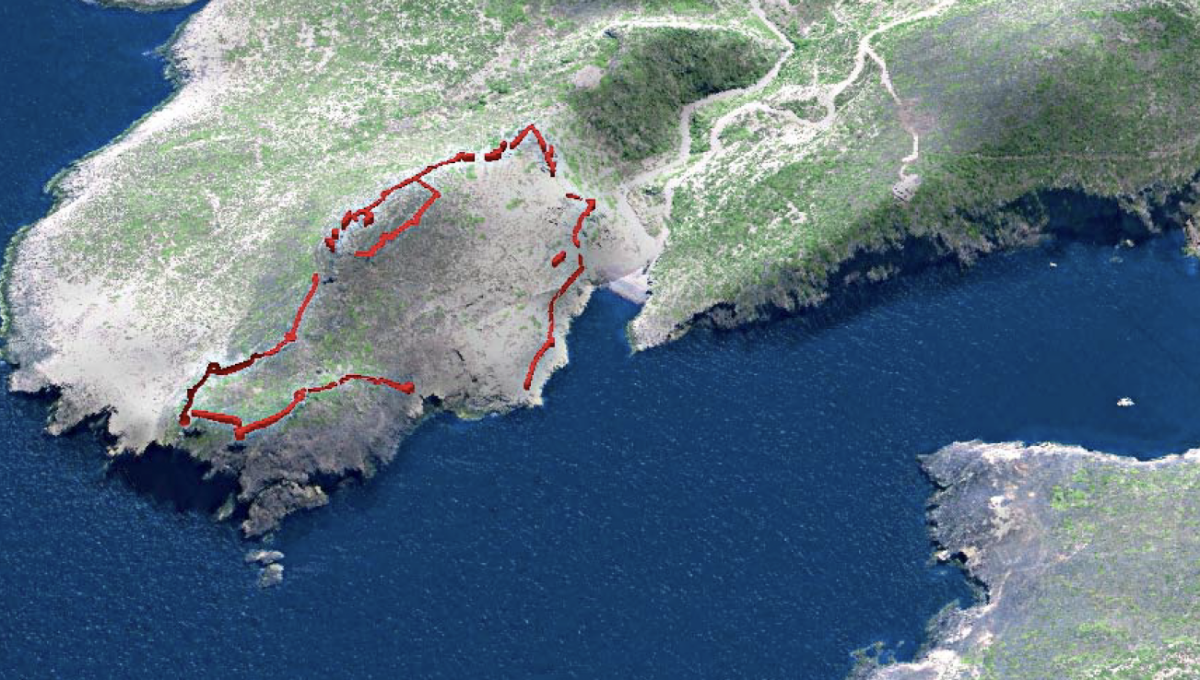
This paper describes the beginning and the evolution of systematic archaeological research in Antikythera, which started in 1999 after an invitation from the local community to create an Archaeological Park open to visitors. The research focused mainly on the fortified city of the Hellenistic period at the site of «Kastro», which is one of the best preserved fortified cities in Greece.
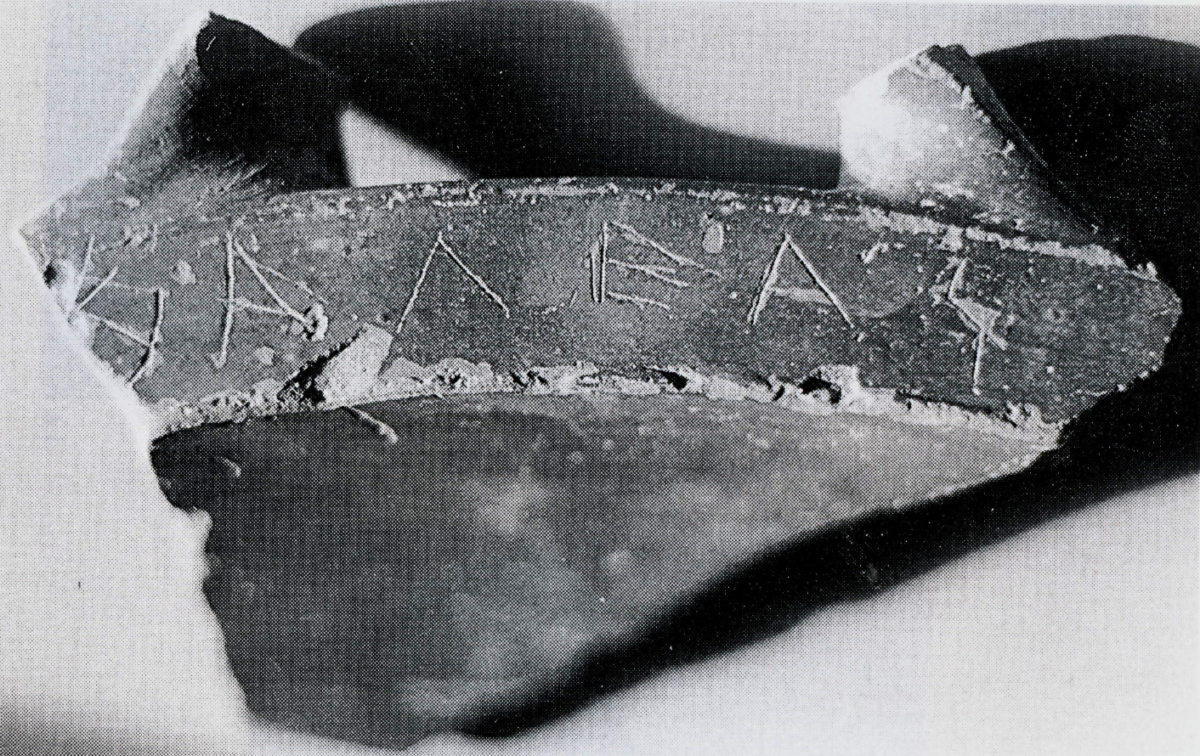
According to the excavation data and the study of the literary sources, the fortification of the Castle was constructed during the period of Alexander the Great's wars against the Persian Empire, with the financial support of the Persians through King Aegis III of Sparta. The movable finds, such as coins, weapons and projectiles (maple axes, catapult stones), indicate that the city had a strong military character and belonged to the sphere of influence of Falassarna of Crete. Life in the city seems to have been abruptly interrupted in 69 BC, when the Romans under Metellus set out to clear the area of pirates.
Apart from the fortified city, the research brought to light the sanctuary of Apollo Aegilias on the beach of Xiropotamos, which had the form of a house, as well as the city's cemetery at the location «Mnimata». The study concludes that Antikythera (ancient Aegila) was a strategic stronghold on the sea route between the Peloponnese and Crete, with the archaeological service making efforts to preserve and promote this unique cultural asset.