The study was prepared by Tina Martiş, Michalis Zoitopoulos and Mars Tsaravopoulos. It was presented as part of the 7th International Symposium on Funerary Archaeology at the Sibiu in Romania in 2005 and was published in 2006.
Summary
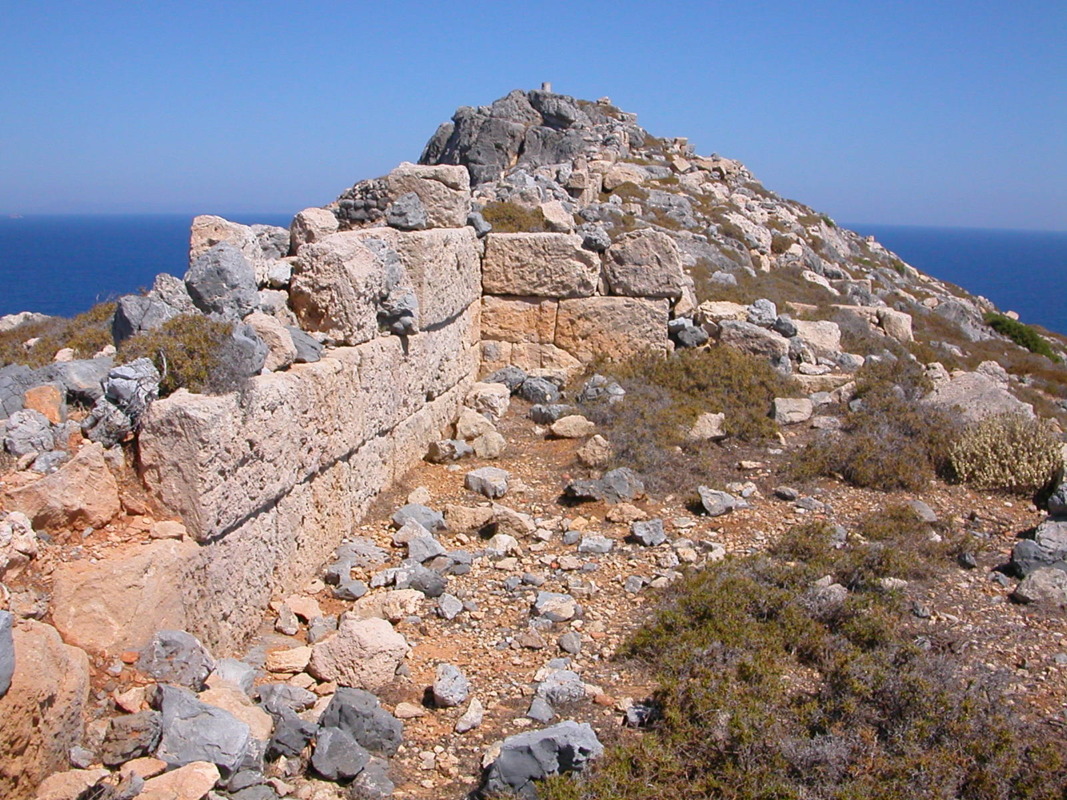
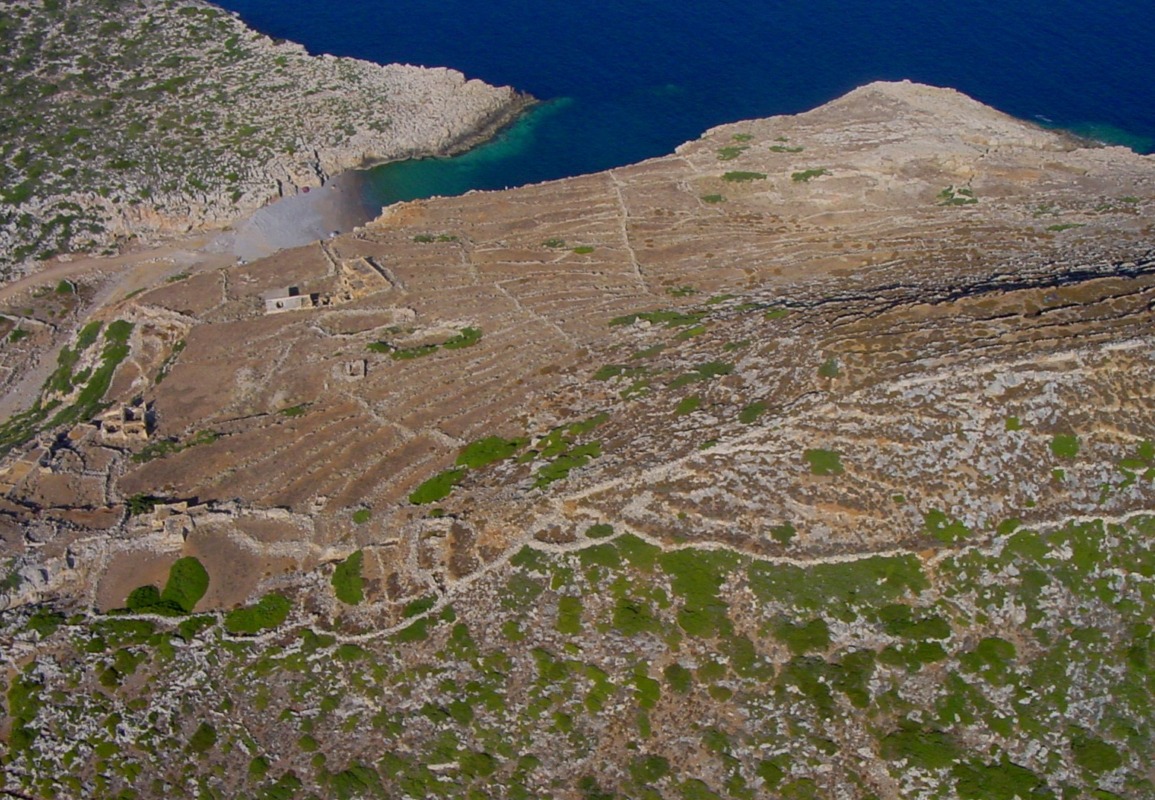
This paper examines the archaeological evidence from the cemetery of ancient Aegila (modern-day Antikythera), which is associated with the fortified city at «Kastro.» The city, which flourished during the early Hellenistic period (late 4th to early 1st century B.C.), is characterized as «piratical» due to its strategic location and its dependence on Falasarna in Crete, a well-known center of piracy at the time.The cemetery is located at the site known as «Mnimata,» southeast of the fortified city. Excavations have uncovered tombs carved into hard limestone, which display distinctive architectural features, such as stepped entrances and interior layouts for the placement of the deceased. Although many tombs were found to have been looted, the study of the remaining grave goods provides valuable information about burial practices and the social stratification of the inhabitants.The finds consist mainly of pottery, such as black-figure vases, lamps, and figurines, as well as metal objects and coins, the majority of which originate from Crete. Analysis of the material culture confirms the community’s military and naval character, while the sudden cessation of activity at the cemetery in 69 B.C. coincides with the Roman campaign against piracy in the region. In conclusion, the study highlights the importance of Antikythera as an isolated but well-organized outpost, whose economy and social life were inextricably linked to military and pirate activities in the strait between the Peloponnese and Crete.