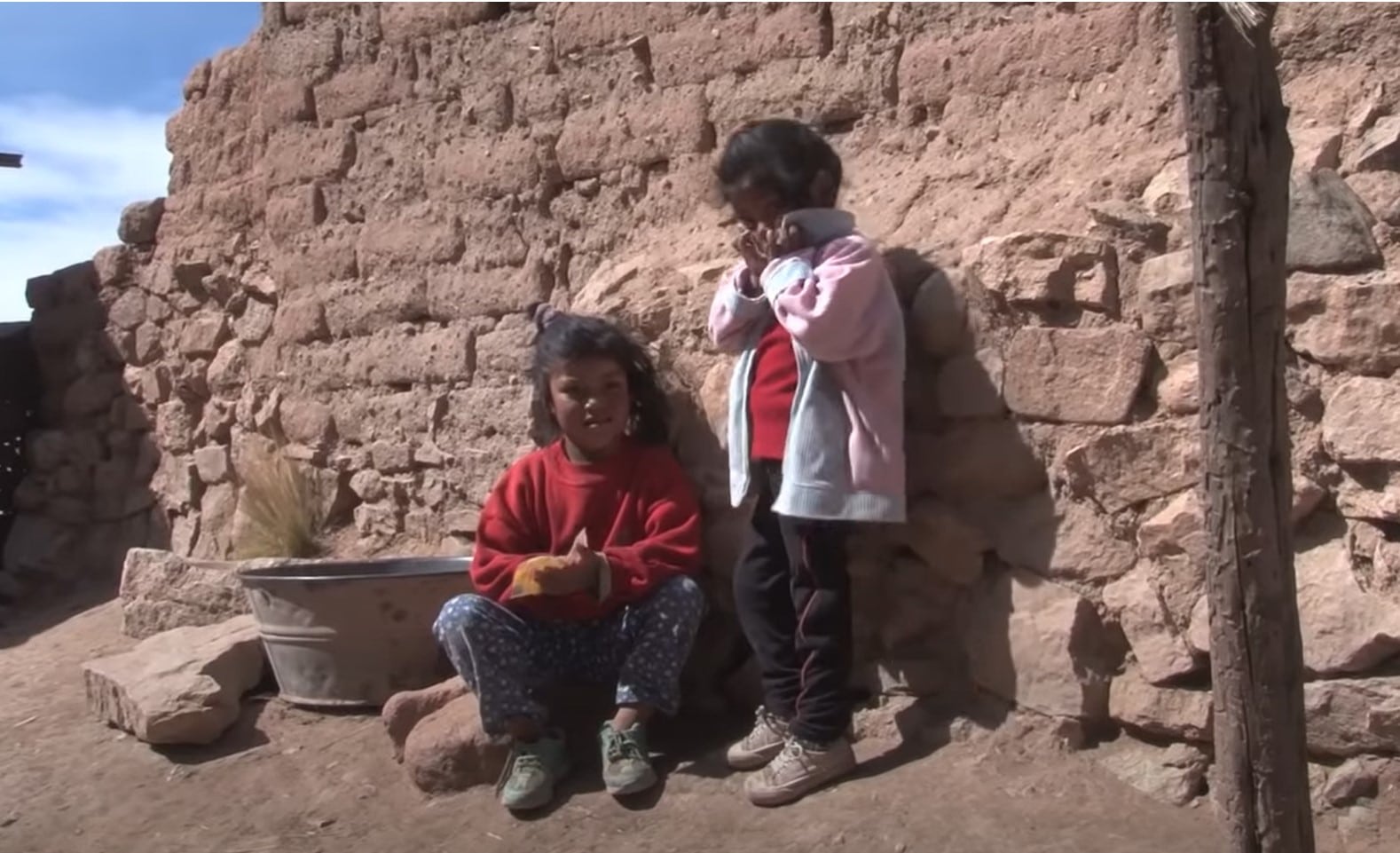
Extreme poverty will increase in Latin America in 2022, despite a slight reduction in overall poverty in the region, against a backdrop of slowing economic activity and soaring inflation, the United Nations Economic Commission for Latin America and the Caribbean (CEPALC) warned yesterday (Thursday).
Poverty in Latin America is estimated to affect 32.1% of the total population in 2022, corresponding to 201 million people, compared to 32.3% a year earlier, according to a report by this UN agency.
But instead, extreme poverty will affect 13.1% of the region's population, in other words 82 million people, compared to 12.9% a year earlier.
«The effects of the pandemic on poverty and extreme poverty have not been reversed and the countries (of the region) are facing a silent crisis in education, which is affecting the future of young generations,» said José Manuel Salazar-Sirinas, the Executive Secretary of the Economic Commission, presenting the report.
The increase in extreme poverty is explained by the «combined effects» of the economic slowdown, «labour market dynamics and inflation», the report explains.
Compared to 2019, the year before the pandemic broke out, 12 million more people are mired in extreme poverty and 15 million more have fallen into poverty, the Economic Commission calculates.
The level of extreme poverty in 2022 sets back «a quarter of a century» for the region, underlines the institution, which is based in Santiago, the capital of Chile.
On the education front, Latin America and the Caribbean are suffering the consequences of prolonged school closures during the first two years of the pandemic, with an average of 70 weeks of closure, compared to 41 in the rest of the world.
In Latin America and the Caribbean, the share of young people (18 to 24 years old) neither studying nor working increased from 22.3% in 2019 to 28.7% in 2020.