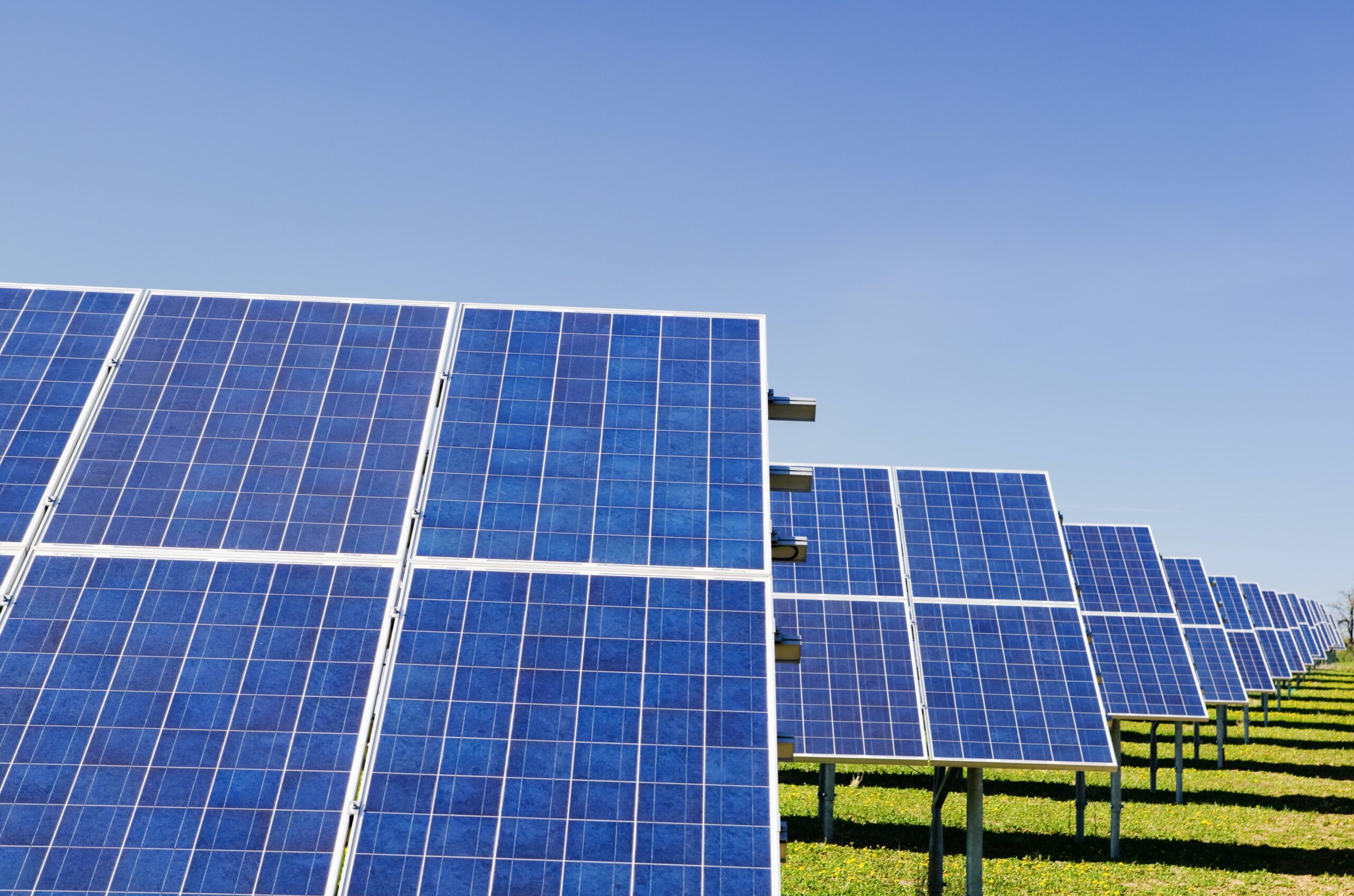
Paving the way for more active participation of final consumers (households, businesses, local authorities, etc.) across the whole market spectrum electricity, from production for self-consumption and sale renewable energy, cumulative representation and balancing flexibility up to grid management and the provision of energy efficiency services, electric vehicle charging and other services, opens up the draft law that the Ministry of the Environment put to public consultation yesterday and which fully incorporates, with a long delay, the European Directive (2018/2001) on the promotion of the use of energy from renewable sources. These prospects, however, will be largely judged by the strength of the grid, an anxiety that permeates the entire bill. It provides for a maximum limit of 2 gigawatts for issuing final connection offers by operators to implement virtual and energy offsetting and specific ceilings that can be varied by decision of the Minister of Environment and Energy, depending on the capacity of the grid.
All restrictions on end consumers' access to self-consumption are lifted, giving tenants the right for the first time.
The new opportunities for consumers and businesses are provided through two new tools introduced, namely the Citizens« Communities and the Renewable Energy Communities, which are established to replace the existing Energy Communities, for which the establishment of the new communities will cease from 1 April and the right to switch to the new communities for those who choose to do so. For the first time, small and medium-sized enterprises will be entitled to participate in the favourable framework of the Energy Communities, which can set up Renewable Energy Communities (RECs) provided they have a minimum of 15 members. Through the CECs, they can produce the energy they consume using virtual energy offsetting (i.e. the production facilities can be located outside the consumption facilities) and can also be connected to the high-voltage grid, so as not to be subject to the capacity constraints of the medium and low-voltage grids. The bill removes all restrictions on end consumers» access to self-consumption, giving tenants the right for the first time, and even introducing incentives for landlords to facilitate them. Furthermore, through the institution of collective self-consumption, it allows, for the first time, the possibility of using energy offsetting and the consumption of common goods in buildings. Participants in this process appoint a representative vis-à-vis third parties and regulate their relationship by means of a contract. At least two self-consumers in the same building can make use of the collective self-consumption arrangements, and they can regulate between themselves the sharing of energy from the renewable energy plants they have installed.
Through the new energy communities, consumers, businesses, first and second tier local authorities and 100% subsidiaries of first and second tier local authorities, as well as agricultural cooperatives, can engage in activities in the production, own consumption or sale of electricity from RES, storage, distribution and supply of electricity, cumulative representation, provision of balancing flexibility and charging services for electric vehicles of community members. They may also manage or participate in projects financed from national or EU funds relating to the promotion of its purpose, the provision of consultancy services and the management of or participation in information and energy sustainability programmes and actions to support vulnerable consumers. The bill also gives citizen energy communities the right to own, set up, buy or lease distribution networks and manage them autonomously in the area in which they operate.