The prospects for the preservation of the Mediterranean Diet model in the countries where it was created are worrying, according to the remarks made at a conference of the Scientific Society of Encyclopedists of Olive Oil Crops (4E), by the academic Antonia Trichopoulou.
The Greek ambassador of the Mediterranean Diet, said that «while children in Scandinavian and other northern European countries show great commitment to the model of this diet, in contrast, in countries of the European South, this commitment is declining and decreasing», so that there is a risk of «breaking the chain» of the Mediterranean Diet in the countries that created it and have been following it for centuries.
Ms.Trichopoulou noted that the use of food supplements should be limited and diet should be restored according to the Mediterranean Diet, which is beneficial to health, while she encouraged consumers to visit and buy food from producers at farmers' markets.
These remarks were made at the 4E event held on the day of World Olive Day (26 November) and the theme was «Honouring 30 years of the Mediterranean Diet pyramid, the symbol that changed the eating habits of millions of people».
Theocharis Theocharidis, Professor of Neuroimmunology and Director of the Center for Neuroinflammatory Disease Research at Nova Southeastern University in Florida, USA, focused on the mechanisms through which certain components of olives and citrus fruits act beneficially in the treatment of chronic COVID, which affects a significant part of the population.
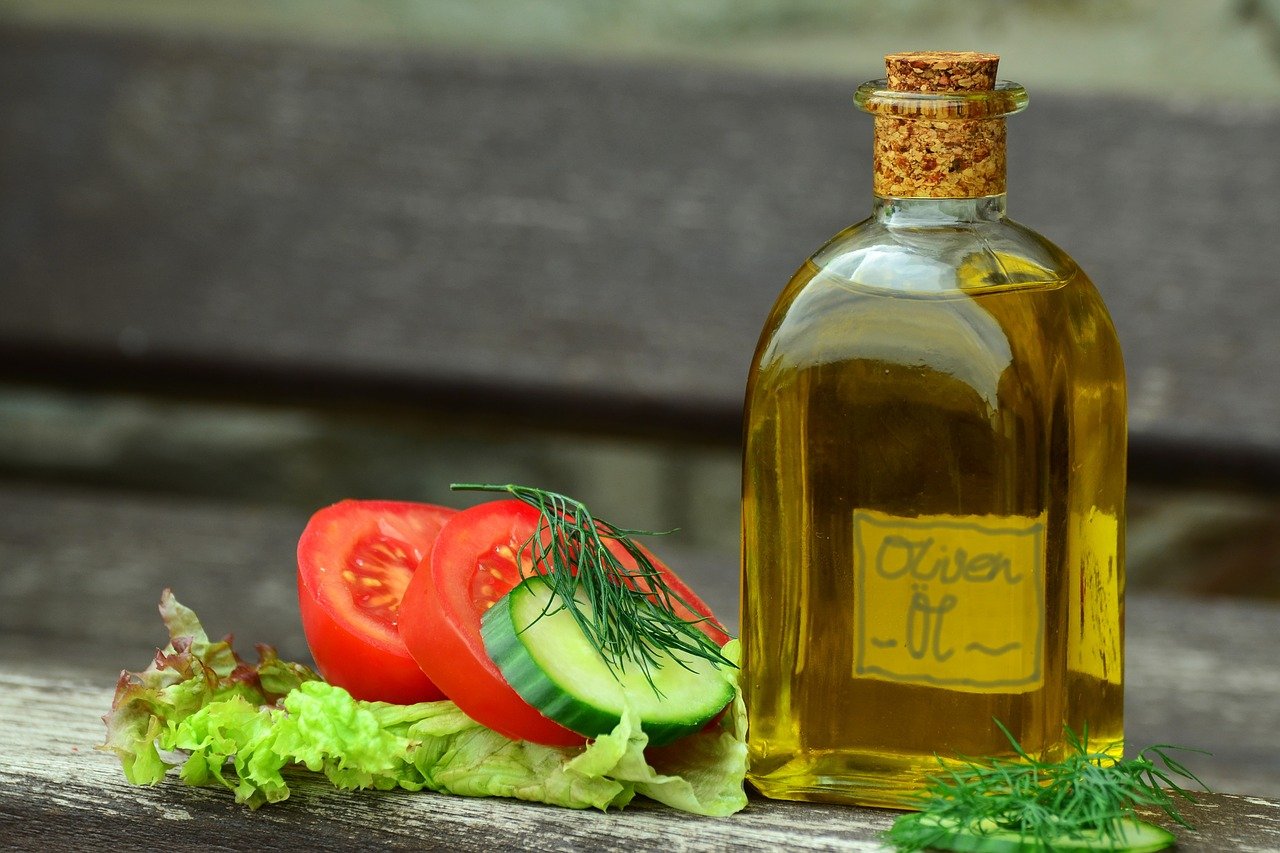
Vivian Detopoulou, Assistant Professor at the Department of Dietetics of the University of Peloponnese, with significant experience as a dietician in a public hospital in Athens, analysed in detail the contribution of olive oil to the Mediterranean Diet pyramid and presented the beneficial effects of its components.
Christina Mercouri - Fragou (chemist, oenologist) and Charalambos Tzortzopoulos (agronomist, processor), highlighted the particular organoleptic characteristics of olive oils of the varieties Adramatini and Kolovis from Lesvos, Athinelia with Koroneiki from Laconia, Koroneiki from Kolymbari, Chania and Messinia, as well as from Chalkidiki.
The symposium, held at the Society of Friends of the People, opened with an address by the Executive Director of the International Olive Oil Council (IOC) Jaime Lillo, who said:
«World Olive Day: a celebration deeply rooted in the history and culture of the Mediterranean, with Greece holding a special place as one of the birthplaces of olive cultivation and the Mediterranean Diet. This year, the International Olive Council also honoured this global occasion by celebrating the 30th anniversary of the publication of the Pyramid of the Mediterranean Diet, and both events included distinguished international scientists such as Antonia Trichopoulou, often called the «Mother of the Mediterranean Diet». Her work has contributed significantly to the promotion of this model of health, sustainability and cultural heritage. Greece, with its centuries-old olive oil traditions, continues to embody the principles of this diet, linking its rich culture with a sustainable future.».
The president of 4E, Vassilis Zambounis, pointed out that the Mediterranean Diet has had a decisive influence so that within the last 30 years, the imports of olive oil from the main non-oil producing countries have increased fivefold and the global consumption of olive oil has doubled.