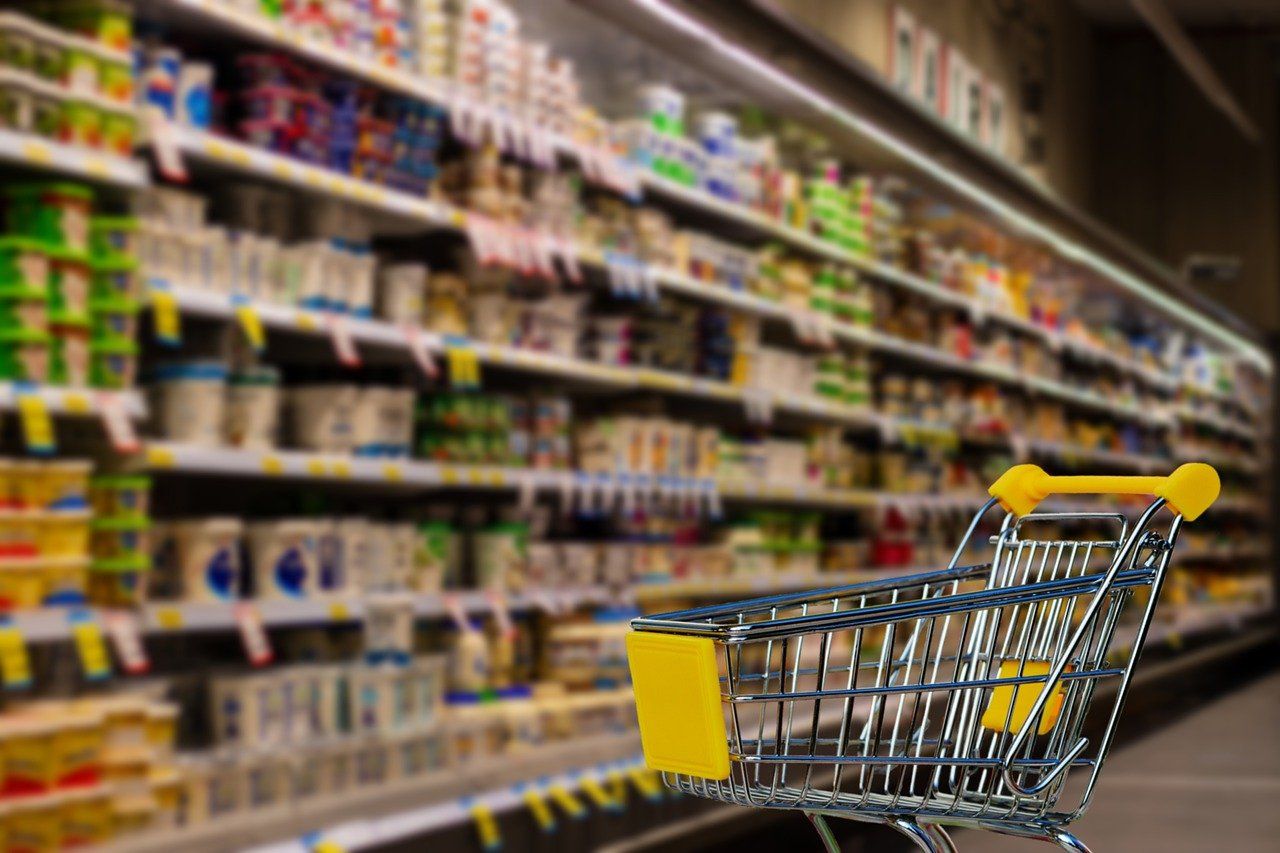
A very big problem for the family budget is the a generalised wave of price increases in the Greek market that affects consumers. The increases recorded in raw materials and transport costs have caused excessive increases in the products available in Greece. Plus, from food and consumer goods to building materials and animal feed, there are increases that even reach 40%.
Measurements by the Institute of Consumer Goods Retail Research (IELKA) show a price increase in individual dairy products, eggs, vegetables, etc., which in some cases even reaches 12%.
The same conclusion is reached by studying both the e-katanalotis tables and the corresponding tables of ELSTAT, while even more worrying are the data presented by the Consumer Institute (IN.KA.).
The finding of the already increased prices in supermarkets and the assessment that «a wave of price hike is coming» with generalized revaluations, which will even reach rates of 10% - 20% in the summer, confirms the research conducted and published by the Athens Chamber of Commerce and Industry, asking the government to raise the issue of financial speculation in the competent bodies of the EU in order to find a comprehensive solution.
At the expense of farmers
The price trend in the food sector is predicted to be upward, to the detriment of consumers and the agricultural world, as far as domestically produced agricultural products are concerned, the primary sector is struggling with increased operating costs and limited financing and liquidity and low producer prices.
The farmer is not a factor in the price increase, as he himself is subject to the revaluation of raw materials and is under pressure from the increased cost of his production, since the prices at which his products are sold are not adjusted accordingly.
It is characteristic that farmers are faced with very high feed prices, but this does not translate into a corresponding adjustment of the producer price, for example for milk, which is an autonomous product but also a raw material for many products. The industry claims a 40% increase in feed prices leading to an inability to cover even the cost of farming, while the price of milk remains at 85 to 90 cents a kilo. At the same time, farmers lost a significant income over the Easter period, as there were very few animals left for slaughter when the low prices finally went up.
At the same time, the cost of energy for producers is also increasing, with the rise in fuel prices (oil, gas) and the recent addition of clauses in electricity tariffs by electricity suppliers, creating new unforeseen costs and lasting charges.
As recorded in the Greek Statistical Authority's agricultural input price index, i.e. the prices paid by producers when they buy products and services for agricultural and livestock production, there is an increase in the first months of 2021: prices in March 2021, compared to the corresponding index of March 2020, are up by 3.4%.
Particularly worrying are the data at the level of international markets, since according to the World Food and Agriculture Organization (FAO), the FAO price index (FFPI - referring to “basket” food) reached 127.1 points in May, up 39.71 TP3T compared to the same period last year and on an upward trend for the 12th consecutive month. The significant increase in May reflects a greater pressure on international prices of oils, sugar and cereals and less on those of meat and dairy products.