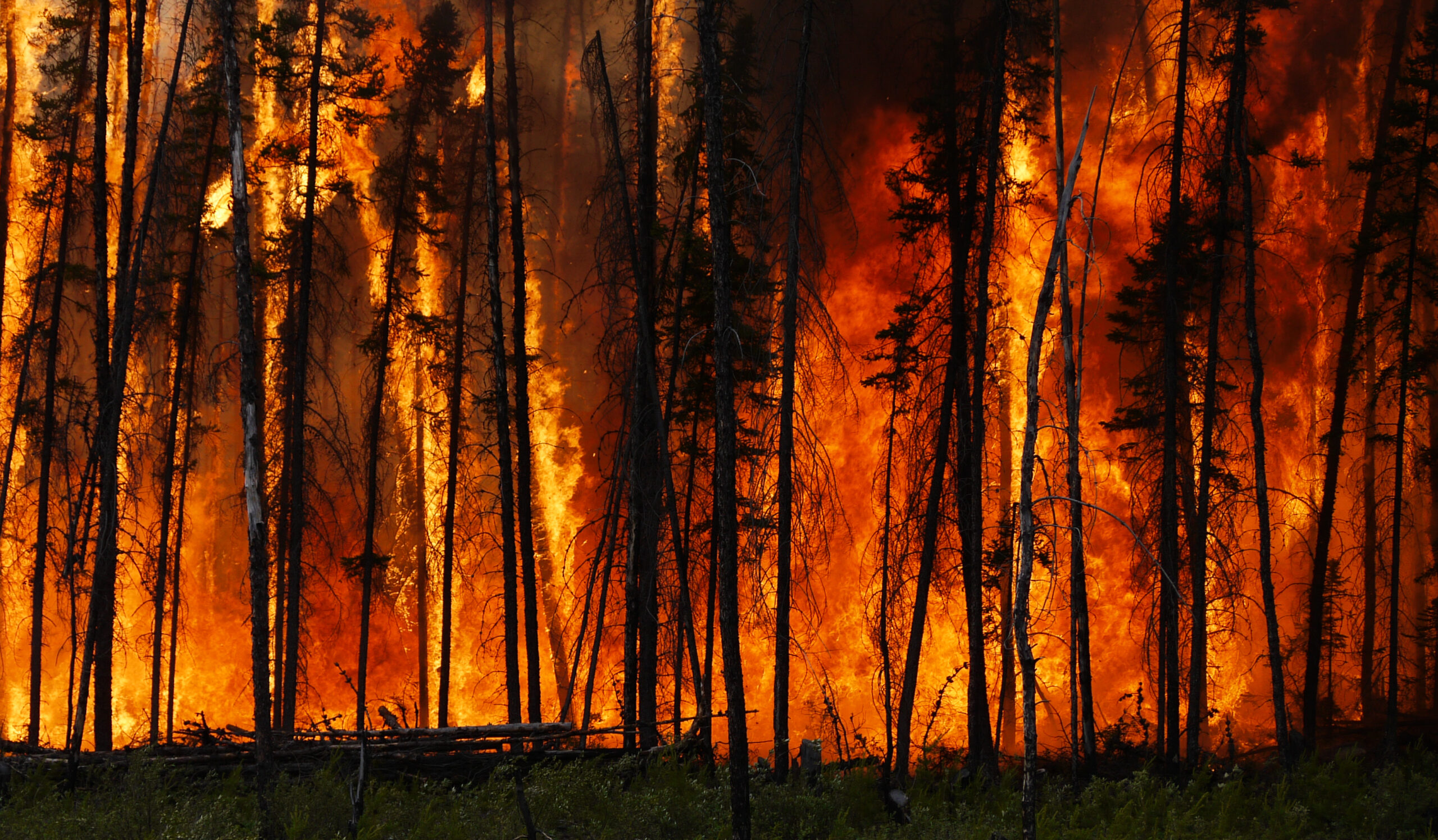
Sixty million acres have burned since January in Canada, an area 18 times the average of the last ten years, according to the government, which yesterday Monday called for vigilance because of deteriorating air quality across the country.
«Canadians are facing unprecedented consequences of wildfires and what is most worrying is that the peak of the season will probably not come for weeks yet,» said Jean-Yves Dicklo, the health minister, during a press conference.
The situation «has a real impact on our physical and mental health», he added.
In total, 423 fires remain active in the country, half of which are classified as out of control, and this includes both the eastern and western parts of the country, he explained. Over 100,000 people have been forced to flee their homes this year due to the fires.
«No matter where you live in Canada, tobacco can make you uncomfortable,» pleaded Teresa Tam, director of Public Health Canada.
Ms Tam warned against the many pollutants, especially microparticles in tobacco smoke, which pose the greatest threat to health.
In the areas most affected by the fires, authorities have opened centres where the air is filtered and are advising residents to avoid going out and to use masks when going out.
A new heat wave will hit parts of eastern Canada, especially Quebec, starting today.
Temperatures much higher than normal are expected mainly in areas that have been hit hardest by the fires.
Canada, which due to its geographical location is experiencing a faster warming than the rest of the planet, has been confronted in recent years with extreme weather events, the intensity and frequency of which are exacerbated by climate change.