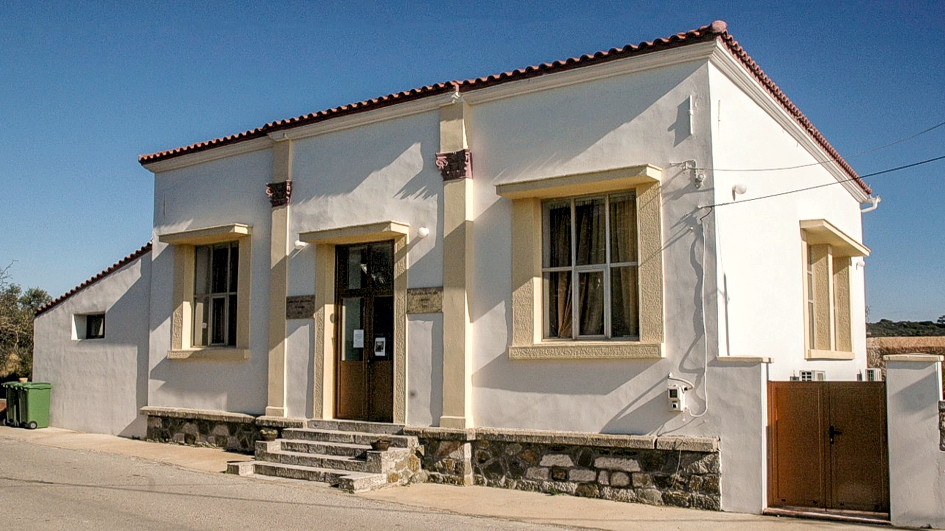
Antikythera, known in antiquity as Aegileia, is a small Greek island located between Kythera and Crete, occupying a strategic position in the sea corridor that connects the Mediterranean Sea with the Aegean Sea. The settlement of the island has a long history, with evidence of habitation from the Minoan era to the late Byzantine period.
Highlights of the Byzantine Era (5th - 7th century):
- Repopulation after centuries of abandonment: After a long period of non-inhabitation (from the 1st century BC), Antikythera was repopulated in the 5th century AD, probably because of the security the island offered during invasions of mainland Greece.
- Archaeological findings: Discoveries such as pottery, graves and wine presses reveal the presence of a small-scale rural settlement. The pottery includes mainly fragments of LR2-type amphorae and vases of the late Roman period.
- Types of burials: Two types of tombs were found:
- With «patura» (the tomb is covered with slabs fixed in grooves in the ground).
- With «recess» (plates fixed with mortar).
- Features of burials: The tombs were carved in stone, often oriented east-west. Some were used for multiple burials, and the finds indicate the economic hardship of the period.
- Religious observations: Although burials and finds such as a bronze cross indicate the presence of a Christian community, no basilica of this period has been found. Researchers believe it is likely that the religious dependence of the island was either from Crete or Kythera.
Conclusions: The Byzantine settlement in Antikythera reflects a small, self-sufficient agricultural system with limited resources, which served as a shelter for the families of the region. Further analysis of bones and finds may shed light on the economic and cultural relations of the period.
The text on the Byzantine Settlement of Antikythera (5th - 7th century) is included in the special edition of the journal Acta Terrae Septemcastrensis, volume V, number 1, of 2006. The publication was carried out by the Bibliotheca Septemcastrensis XVII and was hosted at “Journal of Intercultural and Interdisciplinary Archaeology”. The authors of the article are:
- Nikoleta Pyrrou, by the 28th Ephorate of Byzantine Antiquities of the Ministry of Culture of Greece.
- Aris Tsaravopoulos, by the 26th Ephorate of Prehistoric and Classical Antiquities of the Ministry of Culture of Greece.
- Cătălin Ovidiu Bojică, contributing to the study.
The research combines elements of archaeological research and analysis that shed light on the history and importance of the settlement of Antikythera during the Byzantine period.