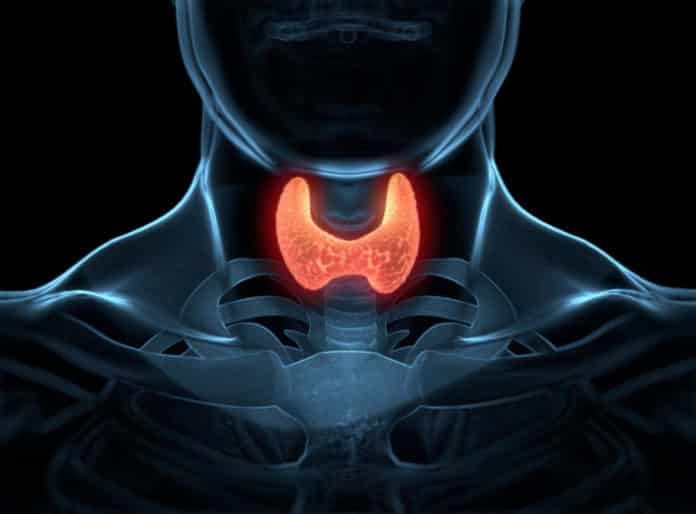
We have all, more or less, heard about thyroid gland diseases, or heard the phrase «but I have a thyroid, that's why I can't lose weight». In this article, we will analyze the thyroid issue, we will see what we can improve in our diet and lifestyle.
What is the thyroid?;
Ο thyroid is a gland of the human body, which synthesizes the hormones thyroxone (T4) and triiodothyronine (T3), iodine-containing amino acids that regulate the metabolic rate of the body. Adequate levels of these hormones are necessary for the normal development of the central nervous system in newborns, for the normal development of the skeletal system in children, and finally for the normal function of multiple organs in adults.
What are the phytological levels of T3 and T4?;
The normal levels of T4 is 8 μg/dl ( 5-12) and of T3 is 0.15μg/dl (0.08-0.22)
In contrast, the secretion of thyroid hormones is stimulated by a hormone of the pituitary gland, thyroid-stimulating hormone TSH , a glycoprotein with normal levels 2 mU / L ( 0.4-4.8). Free T4 and T3 inhibit the secretion of TSH by the pituitary gland in stressful situations and can also be inhibited in elevated external temperatures.
Thyroid hormones, along with insulin and cortisol, regulate metabolic rate and weight management. Thyroid hormones, in particular, regulate the metabolic rate of fat, carbohydrates, sweating, body temperature, brain development, heart and nervous system function, blood calcium levels.
What are thyroid diseases?;
Hyperthyroidism
Here we have overproduction of thyroid hormones, where autoantibodies stimulate thyroid hormones to secrete excess T3 and T4. The most common, is the Disease of Graves, where we have an enlarged thyroid with a weight double or triple the normal weight. In most cases, we have antibodies in the blood serum that stimulate the TSH receptor, resulting in the extra production of thyroid hormones.
Many times, we have a slight increase in body temperature and the activation of heat expulsion mechanisms, excessive sweating. The result of all this is an increase in the basal metabolic rate (increased vitamin needs) with weight loss and reduced appetite, especially in the elderly, while younger people may experience an increased appetite.
Excess thyroid hormones now, can cause nervousness, emotional instability, restlessness, decreased ability to concentrate, decreased performance in school, in severe cases, muscle atrophy and atrophy may occur.
Other symptoms include increased heart rate and tachycardia. Also, a very important part of hyperthyroidism is that it causes increase in hepatic gluconeogenesis, the absorption of carbohydrates from the intestine and the breakdown of insulin. And finally, in this type of thyroid condition, we have as a characteristic in patients prolapse of the lobes (exophthalmos) , the skin is warm and we have severe dermatopathy.
Hypothyroidism
In hypothyroidism, the most common cause, is thyroiditis Hashimoto , probably the result of destruction of the thyroid by autoimmune mechanisms or even removal of the gland. Hypothyroidism is characterized by decreased levels of T3 and T4 , decreased free thyroxine and usually elevated TSH (>20).
- Hashimoto : patients usually have hypothermia and intolerance to cold, we have reduced basal metabolic rate and weight gain, muscle weakness. CPK levels are elevated, we may sometimes have sleep apnea syndrome , experience constipation due to decreased bowel movement , skin cold, water and sodium retention. In women can cause oligomenorrhea.
- Goiter : η iodine deficiency is the most common cause. When the dietary intake of less than 10 μg of iodine per day, the synthesis of thyroid hormones is inhibited , resulting in an increase in TSH and hypertrophy of the thyroid. If the stimulation of TSH is prolonged, then nodules (hot or cold) can be induced.
- Thyroid nodules : are found naturally in the lobes of the gland and their number varies. They are often found incidentally, either with difficulty in swallowing and breathing, throat pain and hoarseness of voice, or swelling of the throat.
- Thyroid in pregnancy : we have interaction of the other hormones with the thyroid and it is continuous and changing. Mainly in the first trimester when organogenesis occurs, we should have regular check-ups and have thyroid hormone levels in the normal range.
Patients with hypothyroidism have a higher risk of cardiovascular disease, as low hormone levels lead to high blood lipids, hypertension and there appears to be a correlation with the development of diabetes.
The question that many people with thyroid problems ask is whether this is the reason they can't lose weight. Until hormonal balance is restored, patients may see changes in their body weight, either increased or decreased. Until also, appropriate treatment and restoration of thyroid function is found, we need to eat right, get some regular exercise, get a good night's sleep and deal with our stress as much as we can.
Thyroid treatment is usually done with thyroxine, and in the case of hypothyroidism it is done for life. Patients usually show improvement in the second week of administration and reassessment is done after 3-6 weeks for a change of administration if needed. The mistake that some people make is that they do not take the treatment systematically and as a result they do not see a difference in their weight and their hormone levels.
Thyroid and vitamins
The best known trace element associated with thyroid function is Iodine. It is essential for the synthesis of thyroid hormones. We have a recommended amount of 150 μg in adults and found in salt, seafood and some types of bread and seeds. It goes without saying that a person who is not sick, does not overuse supplements because they can cause one of the thyroid conditions. Make sure that the salt you use is iodized from the product packaging.
Research has shown that patients with Hashimoto's, have a deficiency in vitamin D3, as it is known that hyperthyroidism causes a decrease in bone mass.
Similar research shows an association of autoimmune thyroiditis with vitamin B12 deficiency.
The selenium, is another trace element that may be important for thyroid hormone metabolism. The recommended amount in men and women (non-pregnant and non-breastfeeding), is 55 μg and foods containing it are seafood, bread, meat, seeds, eggs. Of course, it has not been proven that patients need supplementation for better gland function.
People who have a thyroid condition should not take supplements (vitamins or minerals) for a long time without the guidance of their endocrinologist.
What should I eat for better thyroid function?;
In addition to taking medication, I can boost my thyroid function by balanced diet :
- Fish : omega-3 fatty acids make it a very good choice, as good fats can reduce the risk of heart disease. Such fish are salmon, tuna, sardines.
- Nuts and nuts : good source of selenium (Brazilian peanuts), a small handful daily.
- Whole grains : constipation is a common symptom of hypothyroidism, therefore we should consume products whole grain for increased fibre for good bowel function. It is advisable, however, to take the medicine several hours before or after eating fibre.
- Fresh fruit and vegetables : it is advisable that our diet is rich in fresh fruits and vegetables for the better functioning of our metabolism. Blueberries, cherries, sweet potatoes and green peppers are also rich in antioxidants, which reduce the risk of heart disease.
- Dairy products : as there is a correlation between vitamin D3 deficiency and Hashimoto's, it is advisable to consume dairy products in our diet fortified with vitamin D.
- Water : it is good to drink a lot of water.
What are the foods to avoid in people with thyroid disease?;
Adequate iodine intake is very important to ensure normal thyroid hormone production. For this, consumption of cruciferous vegetables should be normal, as they contain compounds that can block the availability of iodine. These include broccoli, cabbage, Brussels sprouts, cauliflower and some types of grasses.
Also, soy products such as milk, tofu, sauce and more. This is because they contain isoflavones , which through their inhibitory action on thyroid enzymes, can cause hypothyroidism (not fully documented).
Edited by Christiana Abatzi, Nutritionist - Dietician, Lesvos