Nutrition in infancy is a cornerstone not only for the proper and healthy development of the child, but also for his or her health in adulthood. The transition from breast milk to solid food is a crucial moment in time, which influences the later development of the child's dietary variety and the quality of food. The infant's dietary choices lay the foundation for future eating habits with all that this implies.
Exclusive breastfeeding is recommended from birth until 4-6 months and is considered the best way to adequately feed the fetus. Even if infant formula milk is given, no solid food is allowed before 4-6 months, according to official dietary guidelines. The World Health Organisation advises that, after exclusive breastfeeding for the first 4-6 months of life, the evolving nutritional requirements of infants should be met by nutritionally adequate and safe complementary foods, and breastfeeding can continue up to two years of age or more.
Introduction of solid food
After 4-6 months, a new eating experience begins for the baby. The baby will start eating solid foods when the following conditions are present:
- When he can support his head and turn it when he does not want food
- When he opens his mouth the moment we offer him food
- When he will hold the food in his mouth and thus learns to accept food with a spoon and to handle it.
Quantity
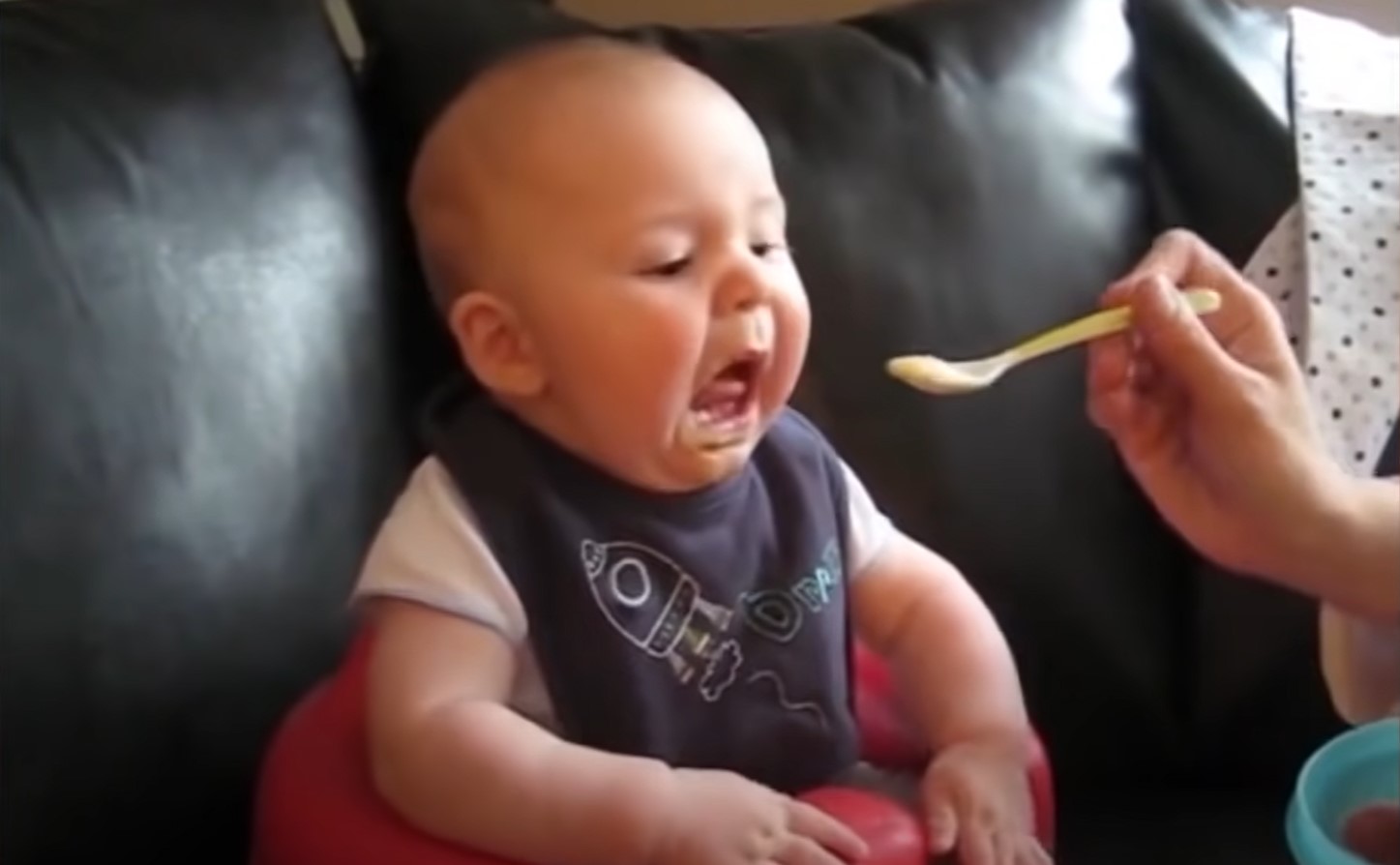
Initially, the amount of food given to infants is too small for them to handle and to control satiety. In particular, at the beginning we give 1-2 teaspoons of the ground food and gradually increase the amount.
Texture
First foods should have a soft texture and a smooth taste and smell. Pureeing in the blender should be done very well, as the baby is now learning to handle his food and of course cannot yet chew it. The final stages of the transition to less pureed solids occur in the last half of infancy (i.e. 6 to 12 months), when infants learn to chew and manage the more granular texture of ground foods, and also to eat with their hands. Recommended foods for eating with the hands are toasted bread sticks, pieces of fruit, cooked vegetables and cooked meat.
New foods
It is pleasant, but also advisable to add new foods a week apart. Gradually replace 3 out of 5 meals (milk) with semi-solid foods.
In the 7th month, the afternoon milk is replaced with cereal creams mixed with water. After two weeks, the midday milk is replaced with fruit paste and after another two weeks the midday milk is replaced with boiled and ground foods: initially vegetables, later chicken and beef.
In the 8th month, an egg (only the yolk) can be added to the brunch, fish at lunch, while in the afternoon the cream can be replaced with yoghurt. In the 10th month the egg white can be added. Try new foods when the baby is happy. Breakfast and lunch are better opportunities. It often takes several tries before the baby will accept anything new.
Cereals
The first food recommended after milk is rice and barley. It is advisable to give them separately, in order to check for possible allergies. It is also important to fortify the cereals with iron. Most authorities recommend that the types of food introduced at the beginning should be gluten-free cereals (rice is often used), vegetables, fruit and meat. The best way to give these foods is by spoon and there is no benefit to mixing them with liquid foods. Indeed, this practice can harm the development of a baby's ability to handle food in its normal form.
Fruits and vegetables
They are an essential food category on a daily basis. Ideally, you should choose fresh fruits and vegetables to puree at home. It is the best solution for reasons of hygiene, valuable nutrient content and is even a more economical solution.
Milk and fluids
In this period, the consumption of juice should be reduced to 1 glass, because if the infant drinks too much juice, he will not have an appetite for sufficient milk consumption. Juice should be given to the baby in a cup and not in a bottle, this reduces the risk of tooth decay.
From 6 - 12 months, a special milk formula is recommended, as cow's milk is introduced into the baby's diet from 9-12 months. Of course, we give full-fat cow's milk at this age, as the infant needs fat for the structure of the central nervous system. Cow's milk can be given to the baby when he has already started eating a good variety of iron-rich foods such as fortified cereals, meat, fish, egg.
Infants 1 year old
By the end of the 1st year the infant's diet should include foods from all groups. The texture of foods should gradually vary from mashed to chopped to encourage chewing. The infant should be given foods cut into small pieces (cheese, bread, fruit and vegetables) so that he or she can learn to chew and eat on his or her own. Particular attention should be paid to the texture and size of the pieces offered to avoid the risk of choking. By the end of the first year, the infant will be able to eat the family's food.
Foods to avoid
- Lightly boiled eggs (molasses), due to possible Salmonella contamination.
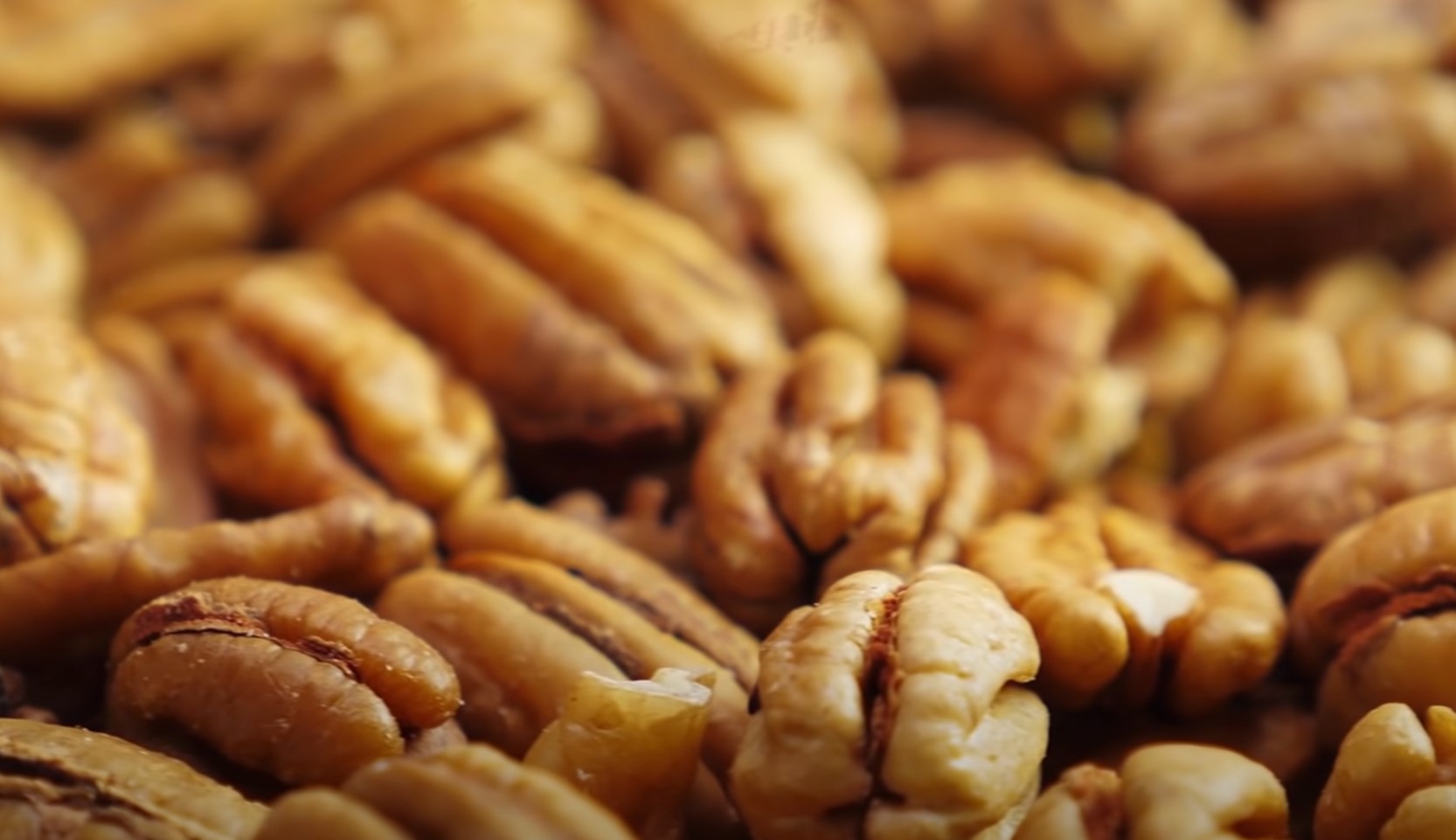
- Whole or broken nuts due to risk of choking. Nuts should be avoided until the age of 5 years
- Grapes, raisins, pieces of sausage and raw carrot
- Hot and spicy foods
- Pâté and soft cheeses, due to even a low risk of Listeria monocytogenes contamination.
- It is advisable not to add sugar and salt to the food
- Avoid giving egg white before 1 year of age, as this reduces the risk of an allergic reaction
- Do not give honey before 1 year, because there is a possibility of infant botulism (food poisoning)
- Always stay next to the baby during feeding
Eating behaviour
An infant's behaviour in relation to food influences its development and the establishment of good eating habits in the future. Parents influence the infant's attitude towards food and should teach the baby to eat pleasantly, to try new foods and of course to enjoy eating.
Good eating habits
It is very important to have a variety of nutritious and quality foods in the infant's diet. The baby needs variety, aroma, smell and colours in his food. Parents should:
- Respect the infants' dietary preferences
- When infants do not want to eat a food, you should not force them or express your displeasure, but remove the food from the table
- Encourage them to use their hands to eat
- Allow them to eat as much as they want and stop when the infants show that they are full
- Feed them when infants are rested and in a good mood
- Feed them in a pleasant environment, without interference and disturbance from the TV or computer
- Feed them sitting on the high chair in front of a table
- Use age-appropriate and beautiful utensils
- When feeding them, look at them and talk to them softly
- Not to use shouting or violence when they don't want to eat
- Make sure they eat together often, at home and outside the home
Anastasia Kokkali, clinical dietician, nutritionist