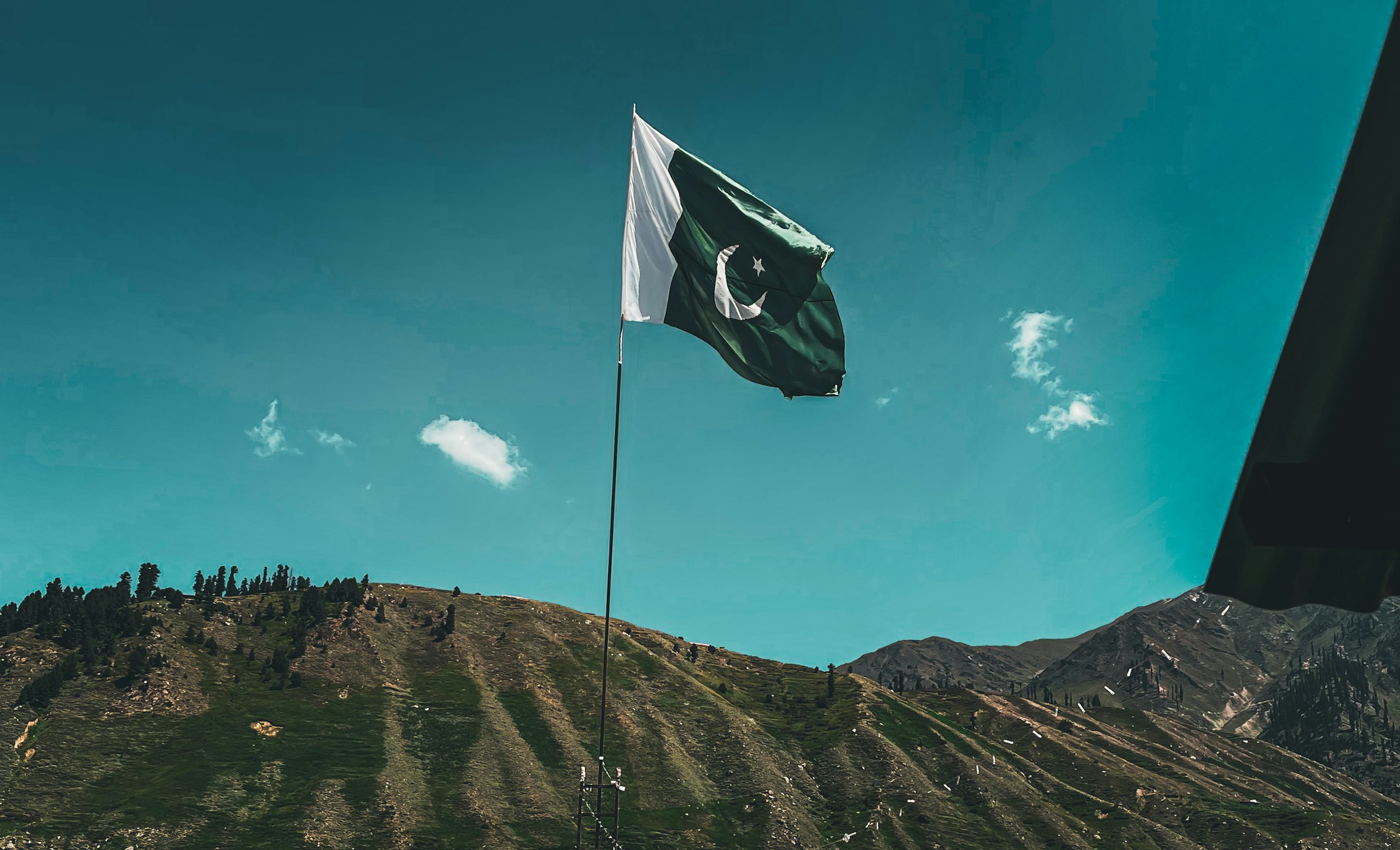
The Pakistani government today declared «open war» on de facto Taliban officials, following an Afghan attack yesterday, Thursday, on the border between the two countries, which prompted Islamabad to launch retaliatory airstrikes, primarily on Kabul, the Afghan capital.
The armed forces struck various facilities on Afghan soil overnight, including in the cities of Kabul and Kandahar, the country’s largest cities, a move that Pakistan’s Interior Minister Mohsin Nakvi described as a «proportionate response» to the previous day’s Afghan attack.
«Our patience has run out. From now on, there is open war between us and you,» Pakistani Defense Minister Asif Hawaja declared via X.
«Our armed forces are fully capable of crushing any aggressive ambitions,» of «reducing them to dust,» said Pakistani Prime Minister Shabaz Sharif, according to a statement that published through X, his government.
Journalists from French Agency People in the Afghan capital heard a series of explosions in Kabul and the sound of military aircraft engines in the early morning hours. In Kandahar (in the south), where Taliban supreme leader Hibatullah Akhundzada is based, another AFP reporter also heard fighter jets flying overhead.
Relations between Pakistan, a country with a nuclear arsenal, and Afghanistan—where the Taliban returned to power in August 2021—have deteriorated rapidly in recent months. Most border crossings between the two countries had already been closed following the previous hostilities between the two sides in October, which left more than seventy people dead.
«Large-scale attacks»
Yesterday, the Taliban army spoke of «large-scale attacks» against Pakistani positions along the border, in retaliation for Pakistani airstrikes over the weekend.
Islamabad reported that it had targeted «terrorist» camps. According to an AFP source, more than 80 people were killed.
In response, according to the spokesperson for de facto Zabihullah Mujahid of the Taliban government, Afghan forces targeted 15 forward positions of the Pakistani armed forces yesterday, killing «dozens» of their members.
The Afghan de facto The government confirmed today the Pakistani airstrikes, which, however, according to Mr. Mujahid, did not result in any casualties.
Defense positions belonging to the «Afghan Taliban regime» in Kabul and in the provinces of «Paktia and Kandahar» were targeted, reported Pakistani Minister of Information Ataullah Tarar via X.
Minister Tarar reported at least 133 dead and more than 200 wounded among the Afghan Taliban; the same toll gave Also via X, Mosaraf Zaidi, a spokesperson for Pakistani Prime Minister Shabaz Sharif.
For their part, Taliban officials reported that they carried out new, «large-scale« attacks today against »positions held by Pakistani soldiers.”.
The Afghan Ministry of Defense reported that eight of its soldiers were killed in yesterday's ground attack, which was launched from the Afghan provinces of Nangarhar and Kunar.
The Pakistani Ministry of Information accused Taliban forces of «unilaterally opened fire on various positions» along the border with the Pakistani province of Khyber Pakhtunkhwa.
A brief truce
The attack by Afghan forces followed Pakistani airstrikes over the weekend in the provinces of Nangarhar and Paktika, which Islamabad described as retaliation for suicide bombings in Pakistan.
According to a statement that was made public According to the United Nations Assistance Mission in Afghanistan, these bombings—the heaviest since October—killed at least 13 people. According to the Taliban government, 18 people were killed.
Longtime allies, Afghanistan and Pakistan have been engaged in sporadic clashes since they retook power in Kabul in the summer of 2021.
Islamabad accuses Kabul of providing safe havens to armed groups operating on Pakistani territory. Kabul denies this.
Since October, only Afghans wishing to return to their homeland have been allowed to cross the land border crossings between the two countries.
A temporary ceasefire approved on the 19thη In October, thanks to mediation by Qatar and Turkey, it was clinically dead just nine days later, as Islamabad accused Kabul of orchestrating the attacks carried out by the Taliban Movement in Pakistan (TMP).
The numerous rounds of negotiations since then have failed to resolve the conflict, although Saudi Arabia’s intervention led to the evacuation
The execution of three Pakistani soldiers who were taken prisoner by fighters loyal to the Afghan presidency.