In the Middle Byzantine period (10th - 12th century), the island was first under the influence of Sparta and then of Monemvasia, from where its governors came from in the 12th century. The first named ruler of Kythera during this period is Georgios Pachys, based in Mitata.
The 12th century is crucial for the history of Kythera, as then an organised presence appears on the island and Kythera begins to be mentioned more often in historical sources.
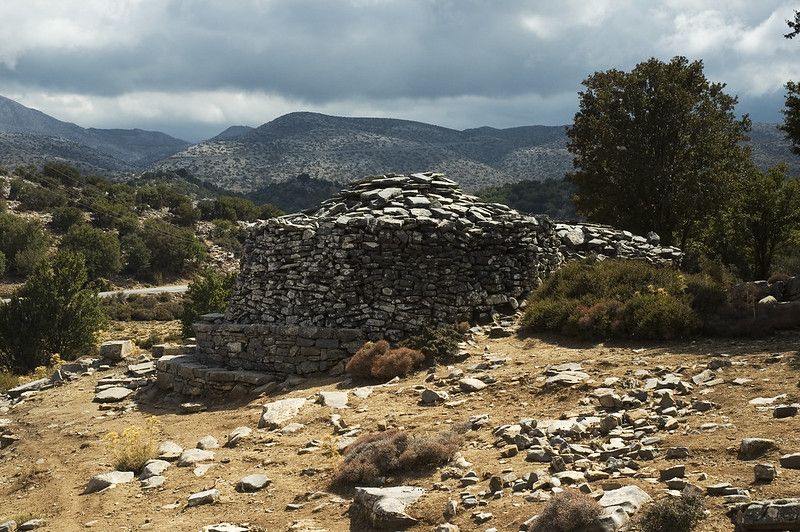
Mitata, which has been inhabited continuously since then and bears the same name, is the oldest - surviving - settlement of Kythera and still preserves examples of its old architecture. In the wider area of Mitata there are seven important Byzantine churches, of which the Metamorphosis of Sotiras stands out with remarkable frescoes of the early 14th century. In the area there are also many cave or cavernous churches dating back to the 17th century and it is very likely that they were also used as a shelter during the frequent pirate raids on the island.
On 11 August 1903, one of the strongest earthquakes in Greece during the 20th century, with an intensity of 8 degrees on the Richter scale, occurred in Mitata, causing several disasters in the village. At that time, impressive changes in the natural landscape occurred, which have been observed in the location of Gonia, east of the village, where in the 18th century, relics of antiquities were noted.