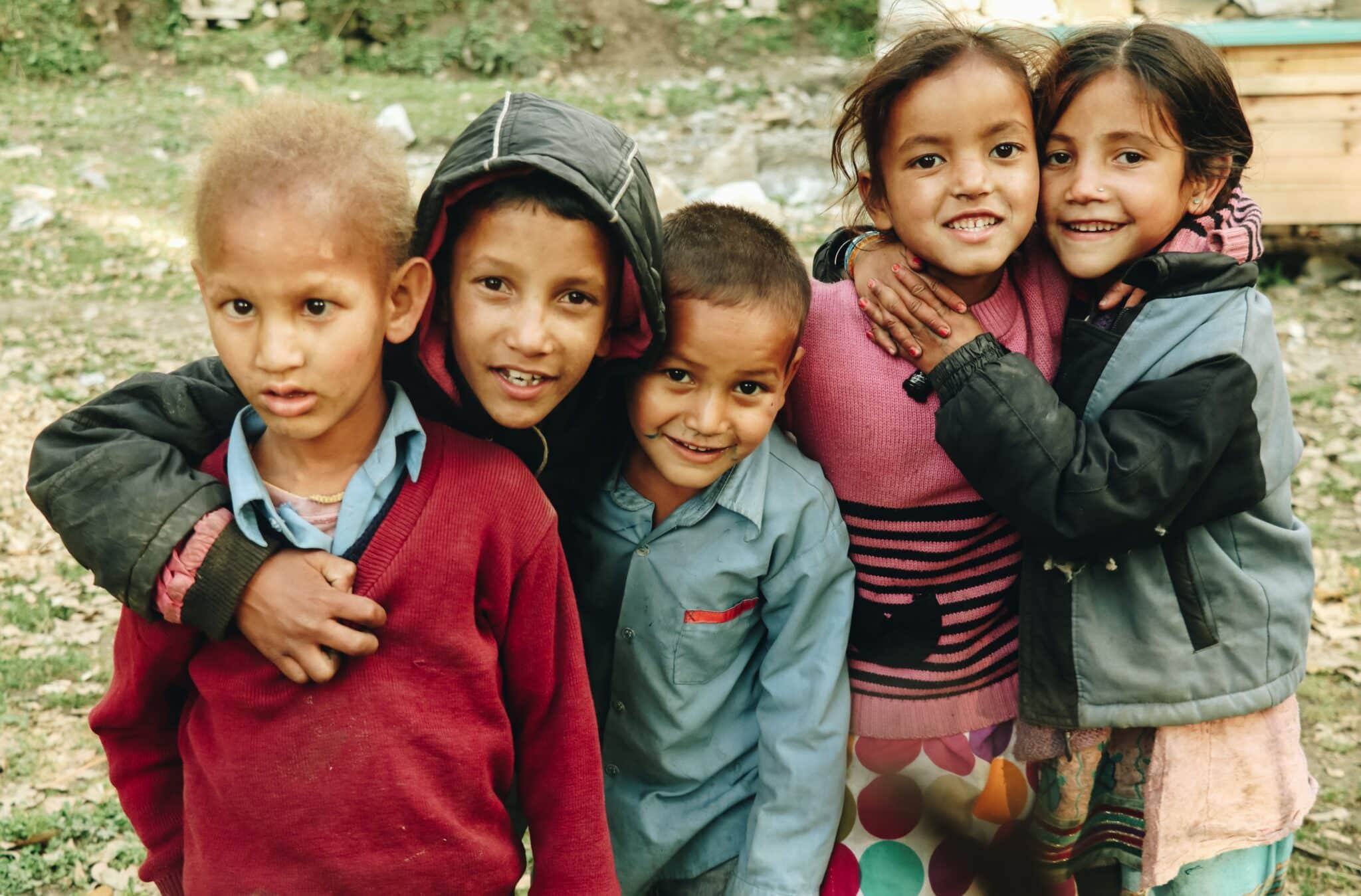
The European Union follows the Closed Borders in the upcoming cross-border passage of refugees from Afghanistan, but recognizing the intense and gendered dimension of the fanatical danger, immediately removed female and male journalists, Western NGO workers, and at least for the time being, European states are positive about granting asylum to collaborators and all those who traveled by air.
The terminus year is clearly 2015 because that was when the largest population movements took place from Syria, Afghanistan, Somalia, South Sudan, Congo, and Central Africa. According to Amnesty International's statistics for 2016, the countries that received the largest cross-border populations are Turkey with 2.9 million, Pakistan with 1.4 million, and Iran with 1 million refugees. In Africa, the country that accepted 1 million refugees at that time was Libya, while Uganda accepted 900,000 and Ethiopia 800,000 refugees. In 2015, Greece accepted a total of 861,630 refugees, and another 799 people died trying to seek asylum in our country. In fact, hundreds of cross-border migrants have lost their lives: 405 (2014), 799 (2015), 441 (2016), 59 (2017), 174 (2018), 71 (2019), and 102 (2020).
Four years later, the UN High Commissioner for Refugees reports that 6.6 million people have fled Syria, 3.7 million have fled Venezuela, 2.7 million have fled South Sudan, 2.2 million have fled Myanmar, and 1.2 million have fled Ethiopia.7 million, 2.7 million from Afghanistan, 2.2 million from South Sudan, and 1.1 million from Myanmar. According to the same international organization, the countries that welcomed the most asylum seekers were Turkey with 3.6 million, Colombia 1.8 million, Pakistan and Uganda 1.4 million each, and finally advanced Germany 1.1 million in 2019 alone. In 2020, 9,714 refugees arrived in Greece by sea and 5,982 by land, with 102 dead or missing.
For the current year 2021, globally, most people are fleeing Afghanistan, Syria, Myanmar, South Sudan, Colombia, and Eritrea, according to Amnesty International. Recently, the expected Taliban counterattack indicates that the waves of Afghan migrants to Europe will return to the high rates of the past, of course for those who manage to leave. In fact, since August, the UN High Commissioner has recommended that Afghans who did not receive asylum in 2021 should not be returned.. The newly established Afghan Embassy in Greece may ultimately need to manage a peaceful reconstruction towards the European Union.
Asylum seekers number 2 million expatriates in 2019 alone, while 4.2 million applications are currently pending. According to the UN, from 65 million in the 2016 statistics, we have now reached 80 million expatriates for 2019, where approximately 30 to 34 million of the 40% are children, while only 5.6 million cross-border repatriated and returned to their country of origin. In addition, 46 million people worldwide are internally displaced refugees. In Afghanistan, According to official data from the European Commission, There are 2.9 million internally displaced persons (2020). and only this year 550,000 (2021) Of these, 120,000 Afghan citizens moved to the capital Kabul from rural areas – 20,000 of them just last July – while 80% of the internally displaced persons in Afghanistan are women and children, naturally living under the threat of fear and hunger.
Finally, the number of asylum seekers in Europe, which has been close to 1 million since 2015, appears to have increased due to changing political conditions and economic recession in Asia, particularly in the Middle East and Far East, with indicators showing an upward trend over the last six years. In conclusion, for 2021, in the first half of the year until August 15, our country welcomed 4,718 people, of which 1,609 were by sea and 3,109 by land. During the same period, the countries of origin that dominate Greek research are Afghanistan with a percentage of 45%, Somalia with 24%, Congo with 10%, Palestine with 3%, and Cameroon with just 1%.
The Observatory on the Refugee and Migrant Crisis in the Aegean based in Mytilene at the University of the Aegean since 2017, records refugee flows to our country, tracking Greek and international migration policy, which is now becoming topical in the face of the new humanitarian crisis. Many countries have already announced that they have closed their borders to refugees, including Turkey, Uzbekistan, and Pakistan. The latest developments in Central Asia are leading to a new global impasse, as the inhumane option of closed borders is being systematically implemented for the first time.
Author of the article:

Georgia Tsatsani is a philologist and comparative literature scholar.