Kythira, or Tsirigo as it has come to be known since post-Byzantine times, harbors a priceless treasure trove of medieval history and art, having once been part of the Byzantine Empire. Historian and archaeologist Kaiti Tsichli-Aroni, through her study titled «Byzantine and Post-Byzantine Churches in Kythira,» invites us on an in-depth tour of the island’s religious monuments.
It is remarkable that Kythira boasts the largest number of Byzantine monuments of all the Ionian Islands, dating mainly from the 13th century onward. This study highlights the following important aspects of this heritage:
The Castle Town of Paliochora: The once-thriving Byzantine city of «Agios Dimitrios,» which was completely destroyed in 1537 by Barbarossa’s pirate raid, leaving behind impressive ruins and churches with exceptional proportions, such as Agia Varvara.
Iconic Byzantine Monuments: The historical development of major churches, such as Agios Theodoros (the largest Byzantine church on the island), St. Peter near Mylopotamos, St. Andrew in Livadi, and the intricate architectural complex of St. Demetrius in Pourko.
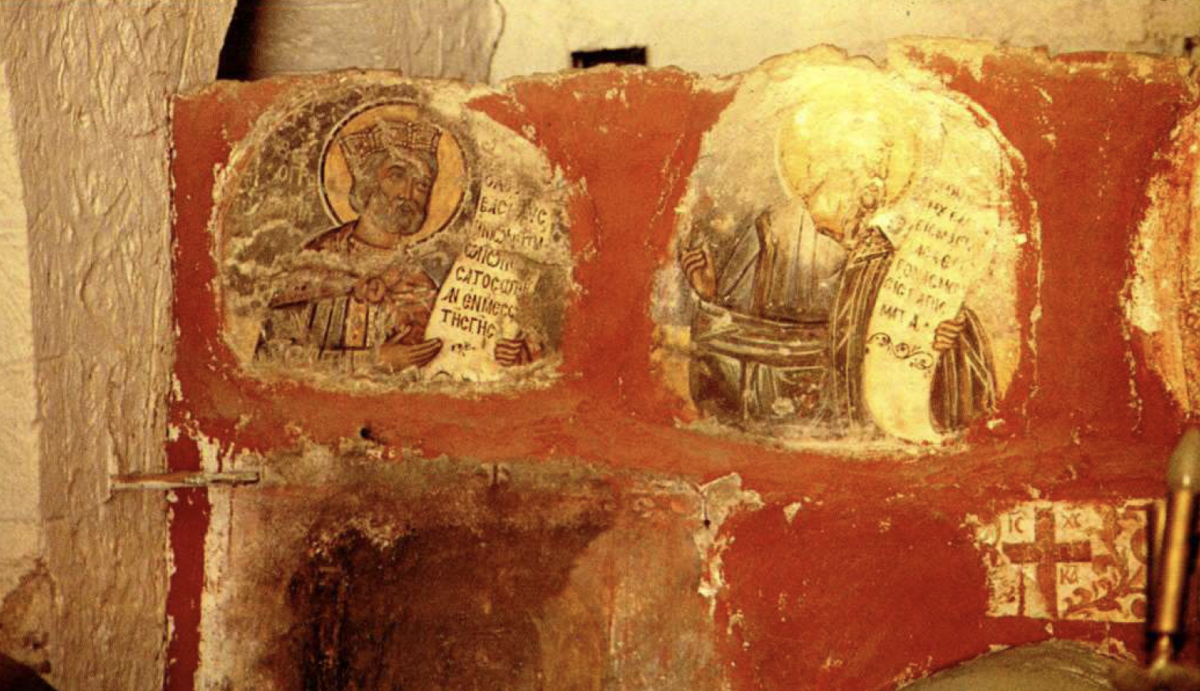
Rare Murals and Mosaics: From the impressive 7th-century mosaic floor at Agios Georgios, to the rare secular fresco of Lady Relia at St. Andrew’s and the figures inside the cave of St. Sophia in Mylopotamos.
Art in the Castles: The development of post-Byzantine architecture (16th–19th centuries) and the wealth of church treasures that were safeguarded within the island’s three castles: Chora, Paleochora, and Kato Chora in Mylopotamos.
This study clearly demonstrates that Kythira was a unique provincial artistic center, closely linked to the «Eastern School» of Byzantine architecture, which assimilated the artistic trends of the era, leaving an indelible legacy throughout the centuries.