Inflammation is a physiological mechanism activated by our immune system to protect our body from infections and injuries and to restore homeostasis in our body.
However, chronic inflammation can lead to long-term health problems and disease if left untreated.
What is inflammation?;
Inflammation is an inflammation that is protective response which activates the immune system, in order to eliminate the original cause of the cellular injury (in an attempt to neutralize pathogenic microorganisms or irritants and damaged cells), cleanse the dead cells and damaged tissues and start tissue repair (healing).
Therefore, inflammation is an essential biological process for wound healing, infection control and tissue regeneration. The generation of inflammation initially involves the binding of exogenous (from pathogenic invaders) and endogenous (from damaged tissue cells) molecules to specific pattern recognition receptors (PRRS and DAMPS, respectively).
The immune system then causes the proliferation and activation of phagocytes and the overexpression of inflammatory mediators called cytokines. These mediators will attract immune cells, white blood cells and macrophages to the inflammatory sites in order to neutralise the infectious agents and damaged cells through a process called phagocytosis.
Key markers of inflammation are pro-inflammatory cytokines (pro-inflammatory cytokines, such as IL-6, IL-1β, TNF-a), anti-inflammatory cytokines (anti-inflammatory cytokines, such as IL-10, IL-4, IL-1ra) and C-reactive protein (CRP).
How is inflammation classified?;
- Η acute inflammation is usually short (a few hours or days). Symptoms appear and subside quickly, and it aims to restore normal tissue function [1]. Examples of acute inflammation are local swelling that occurs in an injured ankle or in skeletal muscles after intense training.
- Η chronic inflammation occurs later and usually lasts more than six weeks. In chronic inflammation the inflammatory response persists, leaving the body in a constant state of alertness. Your body's chronic inflammatory response can eventually lead to the destruction of healthy cells, tissues and organs and over time lead to DNA damage, cell death and tissue necrosis.
What are the symptoms of inflammation?;
In this photo we can see the symptoms of inflammation.
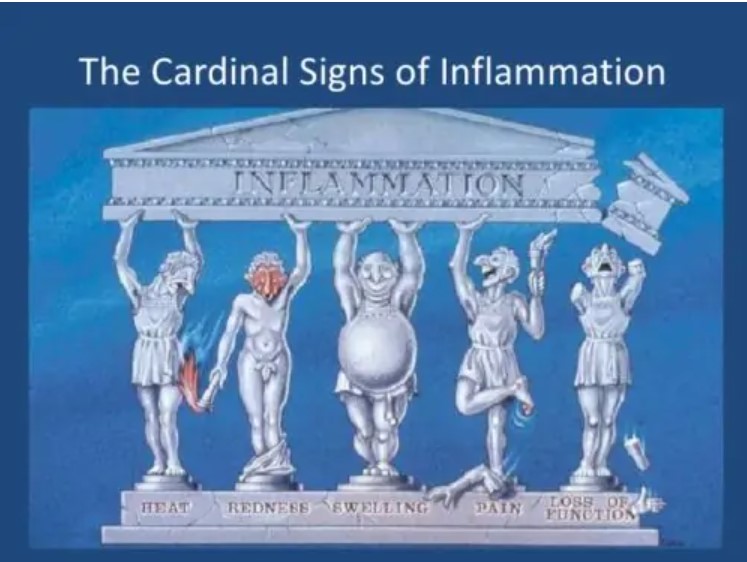
(from left) Heat, redness, swelling, pain and loss of function [4].
| Symptoms of inflammation | Physiological processes [5] |
| Heat-Heat (calor) | Increased chemical activity and blood flow to the area of inflammation on the surface of the skin |
| Redness-Redness (rubor) | Vasodilation of blood vessels, increased blood flow |
| Swelling-Swelling (tumor) | Fluid accumulation (blood and damaged tissue cells) due to increased vascular permeability and granulation of adjacent tissue |
| Pain-Pain (dolor) | Physical and chemical stimulation of pain receptors (nociceptors) with local release of inflammatory mediators such as bradykinin, prostaglandin and histamine (nerve ending injury) |
| Loss of function-Loss of function (functio laesa) | Damage due to increased pain, swelling, and disruption of tissue structure |
Inflammation and diseases
Some causes of inflammation include exposure to foreign or irritating materials that your body cannot easily deal with (such as allergens and environmental toxins), certain medications, and untreated causes of acute inflammation (such as infection or injury). Many factors can lead to inflammation, such as smoking, alcohol, and chronic stress.
Furthermore, chronic, systemic inflammation has been associated with many health conditions and diseases, such as autoimmune diseases in which the immune system attacks healthy tissues (certain types of arthritis, psoriasis, Crohn's disease and ulcerative colitis).
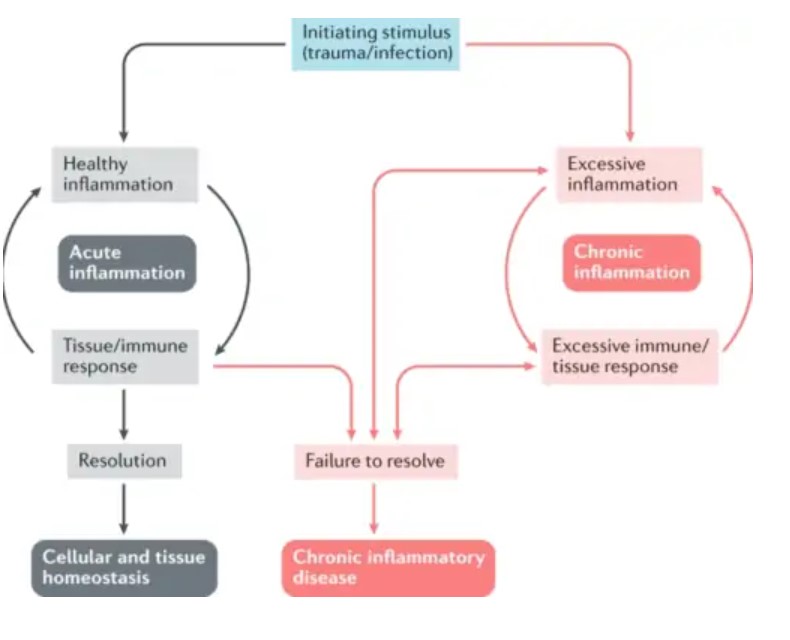
However, while inflammation is necessary when the body has to deal with an immediate danger (injury or infection), health problems can arise when the inflammation does not subside.
Chronic inflammation has been linked to the onset and progression of many types of diseases, such as metabolic disorders (type II diabetes mellitus, obesity, fatty liver), cancers (such as stomach, colon), cardiovascular diseases, musculoskeletal disorders (such as osteoarthritis, sarcopenia), inflammatory bowel disease and neurodegenerative diseases.
In particular, obesity is known to be associated with a mild form of chronic inflammation due to inflammatory mediators (such as lipokines and other pro-inflammatory cytokines) produced by adipose tissue and released into the bloodstream.
Pathways of chronic diseases associated with inflammation (red arrows) and restoration of homeostasis in cells and tissues (black arrows).
Inflammation in athletes
In the context of sports medicine, inflammation involves clinical, physiological, cellular and molecular changes in injured tissue. Intramuscular inflammation is a closely coordinated and dynamic process that ultimately leads to adaptive remodeling and a return to homeostasis in skeletal muscle. In the case of athletes, this inflammatory response is accompanied by damage to skeletal muscle tissue induced by intense training.
Specifically, during exercise, the muscle fibres suffer tiny tears that lead to inflammation. Exercise-induced muscle damage, or exercise-induced muscle damage (EIMD), has a direct impact on functional capacity, muscle pain, exercise capacity, and limb strength and endurance, and therefore limits an athlete's performance. This does not mean that exercise is bad for us, on the contrary it is quite beneficial.
However, in high-level athletes who are very frequently exposed to high-intensity or exhaustion training programmes, and other factors such as frequent travel, sleep disturbances, psychosocial and environmental stresses can develop systemic inflammation that will lead to a weakened immune system and an increased likelihood of disease. For athletes, a strong immune system is important because this will affect their availability for training and participation in major competitions.
Overtraining syndrome (OTS) is a condition in which there is a reduction in athletic performance due to high training loads combined with insufficient recovery time between training sessions. The beneficial adaptations in the athlete's body after training will not occur.
OTS is a typical condition of weakened immune system and chronic inflammation, manifested by a decrease in athletic performance, muscle and joint pain, chronic fatigue and changes in mood and behavior.
In times of chronic stress, there is an increased energy demand in the body, resulting in higher respiratory oxygen uptake. This leads to the production of reactive oxygen species (ROS) which are unstable molecules that can damage cells and cause cell death. Our body will try to counter this attack by causing inflammation.
While free radicals cause inflammation, inflammation can also cause the production of free radicals in the body. These processes lead to chronic inflammation and set the stage for the potential development of chronic diseases.
Diet and inflammation
The foods we choose to eat may provide anti-inflammatory protection or trigger an inflammatory response in our body, for example in people who are allergic or intolerant to certain foods.
Although there is no specific «anti-inflammatory diet» that one can follow to treat inflammation, one can certainly benefit from certain dietary adjustments. One diet for dealing with inflammation is a balanced diet which will include mainly plant-based foods such as fruits, vegetables, nuts, seeds, beans and pulses. In fact, it is recommended to eat variety of food with anti-inflammatory properties, because different food groups contain different types of anti-inflammatory agents.
When choosing animal protein sources, it is best to go for wild oily fish, organic eggs and meat. Your diet should provide a balance between protein, carbohydrates and fat at every meal. Make sure you also meet your body's needs for vitamins, minerals, fibre and water.
Certain diets have been shown to reduce some inflammatory markers, and these include the Mediterranean diet, vegetarian diets, and low-carbohydrate diets, particularly in people who are obese or people with metabolic syndrome.
Most fruits and vegetables (5 servings of fruits and vegetables per day is recommended) that are brightly coloured contain large amounts of antioxidants such as vitamins, minerals and phytochemicals, substances that are protective for the body and are associated with lower inflammation rates [31]. Antioxidants are compounds that can prevent tissue damage (including inflammation) by free radicals.
Known antioxidants are the vitamin C (citrus fruits, kiwis, pineapple, strawberries, cabbage, spinach), the vitamin E (olive oil, walnuts, hazelnuts, almonds, whole grains, green leafy vegetables), the beta-carotene (carrots, peppers, watermelon, berries, grapes), the lycopene (tomatoes, watermelon), the polyphenols, such as flavonoids, tannins, catechins, and anthocyanins (sources of which are listed below), the coenzyme Q10 and trace elements, zinc (seafood, meat), selenium (dairy products, fish, nuts), and magnesium (wholegrain products, green leafy vegetables, legumes, nuts, soy products, bananas).
There are certain types of foods that can cause or worsen inflammation in people with autoimmune disorders. Eating high amounts of sugar and processed (white) carbohydrates, such as white bread and pasta, can be particularly harmful and contribute to inflammation, insulin resistance and obesity.
In addition, the consumption of processed foods (mainly fried foods) containing trans fats and various vegetable oils (such as soybean and corn oil) have been shown to promote inflammation and damage the endothelial cells of the arteries due to their high content of omega-6 fatty acids.
Excessive intake of alcohol, sugary drinks and processed meats can also increase inflammation levels in the body. In addition, a sedentary lifestyle that does not include physical exercise is a major non-dietary factor that can promote inflammation.
The typical Western diet, which is rich in processed foods, added sugars and animal fats, and low in fruits, vegetables, whole grains and omega-3 fatty acids, is another important cause of increased inflammation.
What are the foods with a strong anti-inflammatory effect?;
Below is a list of foods with anti-inflammatory activity and some practices for someone who chooses to follow a diet to treat inflammation.
Fruits that help in the treatment of inflammation
Mura
Berries (blueberries, raspberries, blackberries, strawberries) can help reduce inflammation because they are low in fat and calories and high in vitamins, minerals and fibre. The bioactive compounds in berries are mainly phenolic compounds (phenolic acids, flavonoids such as anthocyanins and flavonols, and tannins) and ascorbic acid.
In addition, berries are rich in quercetin (quercetin), a flavonoid widely distributed in nature and found in foods such as citrus fruits, olive oil, apples, green tea and red onion.
The presence of quercetin and related phytonutrients explain the health benefits. These compounds, individually or in combination, are beneficial to our health (prevention of inflammatory disorders, cardiovascular diseases or protective effects to reduce the risk of various types of cancer).
Cherries
Cherries also contain flavonoids called anthocyanins (belonging to the larger group of polyphenols) and have known antioxidant and anti-inflammatory activity [41]. One study suggests that antioxidants in tart cherry juice may help reduce symptoms of osteoarthritis and levels of the inflammatory marker CRP.
Studies have correlated the use of supplements polyphenols (derived from fruit) to enhance athletic performance and restore muscle damage caused by inflammation and oxidative stress after intensive training.
In particular, supplementation (~300 mg of polyphenols 1-2 hours before exercise) can delay the onset of fatigue during intense and repetitive exercise (sprint) by reducing excessive ROS production and thus enhance athletic performance.
Furthermore, it has been found that consuming more than 1000 mg of polyphenols daily for 3 or more days before and after exercise can enhance recovery after muscle damage. However, more studies are needed to confirm these findings across all types of exercise.
Since cherries contain fibre, eating too many can lead to bloating, gas and diarrhoea. Be sure to consume them as part of a balanced diet and avoid packaged juices with added sugar.
Grapes
One of the most important components of grapes is the antioxidant polyphenols. Grapes also contain anthocyanins and their peel is rich in resveratrol, an antioxidant that was found to reduce inflammation markers in men with metabolic syndrome. Consumption of grape juice may reduce blood inflammation markers in people with coronary heart disease by regulating the expression of pro-inflammatory genes.
Grapes also contain a plant compound called proanthocyanidins. Laboratory (in vitro studies) have shown that proanthocyanidin extract from grape seeds reduced the inflammation associated with rheumatoid arthritis [47]. Of course, it is important to emphasize that these studies use concentrated doses of antioxidants, much higher than those that would be included in a typical serving of grapes.
However, more studies with higher doses of polyphenols, longer duration of treatment, different sources of grape polyphenols and a larger number of participants are needed to clarify their potential beneficial effect on inflammation.
Avocados and inflammation
Avocados are often referred to as a «superfood» because of their unique nutritional and phytochemical composition compared to other fruits. The term «superfood» refers to foods that are beneficial to human health due to high levels of nutrients and/or bioactive phytochemical compounds such as antioxidants.
It is clear from the studies so far that avocados contain several antioxidants such as phenolic compounds (phenolic and hydroxyquinamic acids, flavonoids and tannins), carotenoids, and tocopherols, acetogenins, monounsaturated and polyunsaturated fatty acids.
The avocado is a rich source of carotenoids and flavonoids, such as anthocyanins and tocopherols, which have been associated with significant antioxidant, neuroprotective and cardioprotective actions. Due to the presence of higher content of certain substances such as catechins, triterpenes, and proanthocyanidin, avocado seed extracts have been reported to exhibit higher antioxidant capacity.
Furthermore, studies have found that bioactive compounds derived from avocados such as carotenoids (alpha-carotene, beta-cryptoxanthin, lycopene and lutein/zeaxanthin, and glutathione) can effectively inhibit the growth of various cancer cells, thus contributing to the prevention and treatment of various types of cancer.
Vegetables that help to address the inflammation
Peppers
Red chili peppers are rich in red chilli peppers, which are rich in capsaicin (capsaicin), a substance that gives peppers their spicy taste. Capsaicin has been found to reduce pain and inflammation, and is included in pharmaceutical products used to reduce joint pain.
It has also been found to improve the symptoms of several chronic conditions such as asthma, diabetes, and various types of cancer as it inhibits the expression of certain inflammatory mediators (NF-κB, PGE2, IL-1β, IL-6, TNF-α).
In addition to capsaicin, red peppers also contain beta-carotene, zeaxanthin, lutein, caffeic acid and capsaicin, substances with powerful antioxidant actions that can reduce inflammation and prevent premature aging.
Capsicum peppers contain a wide range of phytochemicals with known antioxidant properties, such as carotenoids, capsaicinoids and phenolic compounds, particularly flavonoids such as luteolin. They are also sources of vitamin C and the antioxidant quercetin, which can produce powerful anti-inflammatory effects.
Green leafy vegetables
Green leafy vegetables are rich in nutrients and some of their ingredients may help reduce inflammation. In particular, broccoli and spinach are particularly high in the antioxidant camphor (kaempferol) a natural flavonoid that can reduce inflammation and help fight diseases such as rheumatoid arthritis.
In addition, broccoli is a rich source of fibre, vitamins C and K, folic acid and antioxidants such as flavonoids, camphor, quercetin and carotenoids, which help reduce oxidative stress in the body. Spinach is rich in carotenoids, vitamins C, E, and K, which have been found to protect the body from pro-inflammatory cytokines.
Furthermore, kale contains a variety of phytonutrients and antioxidants, such as vitamins A, C and K, camphor and quercetin, carotenoids (beta-carotene), magnesium, iron and calcium that help protect our body from cell damage.
Cruciferous vegetables (such as broccoli, cauliflower, Brussels sprouts and cabbage) are highly nutritious and have been associated with reducing inflammation associated with heart disease risk.
In particular, they have been found to contain a powerful antioxidant, the sulforaphane, which fights inflammation by reducing levels of cytokines and other pro-inflammatory mediators that trigger inflammation.
Mushrooms and inflammation
Mushrooms have a high nutritional value as they are rich sources of carbohydrates, proteins, free amino acids and vitamins, minerals and trace elements. They are also rich in many bioactive metabolites with pharmacological value such as lectins, polysaccharides (beta-glucans), polyphenols, terpenoids, ergosterols and volatile organic compounds.
Mushrooms are another anti-inflammatory food, and are low in calories and high in selenium, copper and water-soluble B vitamins.
Edible mushrooms contain compounds that can help boost the body's immunity and reduce inflammation in the body. It has been reported, for example, that mushroom extracts have shown significant reductions in the action of inflammatory mediators such as nitric oxide (NO), cytokines and prostaglandins, thereby inhibiting certain macrophage functions and thus reducing inflammation.
Mushroom-derived beta-glucans have been reported to regulate cytokine levels and phagocyte activity, provide protection against sepsis, infections and inflammation associated with the development of cancerous tumours and inflammatory bowel diseases.
Although the literature on the properties of glycans is extensive, the cellular and molecular mechanisms behind their actions have not yet been fully analysed.
Tomatoes
Tomatoes are high in vitamin C, potassium and lycopene, an antioxidant with impressive antioxidant activity. Several studies have linked low concentrations of lycopene in the bloodstream with higher levels of certain biomarkers of inflammation in patients with various types of cancer (colorectal, gastrointestinal, prostate, breast), angina, ischemic stroke, chronic hepatitis, etc.
Although many studies have investigated the relationship between inflammation and lycopene, the results do not seem to be systematically the same. Based on the results of an analysis of 35 studies, there appears to be little evidence that increasing tomato or lycopene supplementation reduces inflammation.
However, scientists suggest that lycopene depletion may be one of the first signs of low-grade inflammation. The available evidence therefore suggests that it is beneficial to consume lycopene-rich foods occasionally to stay healthy and keep circulating lycopene levels within the normal range.
Garlic
Plants of the genus Allium are known for the production of organic sulphate compounds, which have interesting biological and pharmacological properties. These compounds belong to the class of short-chain compounds fructo-oligosaccharides (scFOS). These products are prebiotic foods, so their residues are food for the «good» bacteria in the gut. Thus, they boost the immune system and reduce inflammation levels in the body.
The garlic (Allium sativum) displays a wide range of beneficial effects such as protection against microbial infections as well as cardioprotective, anti-cancer and anti-inflammatory actions. Compounds derived from garlic can block the NP-kB signalling pathway by inhibiting the transcription of several cytokine genes involved in pro-inflammatory responses, such as TNF-α, IL-1β, IL-6, MCP-1 and IL-12.
Spices that help to address the inflammation
Ginger (Ginger)
Ginger is a plant whose root is used for its anti-inflammatory and medicinal properties. Ginger boosts the immune system and can help in treating inflammation in allergic and asthmatic disorders.
A plethora of antioxidant compounds are contained in ginger, and have been found to minimize the production of pro-inflammatory cytokines, reducing the pain and inflammation associated with arthritis.
Taking high doses of ginger (1500mg) daily reduced inflammatory blood markers, including CRP and IL-1, in people with diabetes and people with osteoarthritis. In particular, ginger contains active phenolic compounds such as gingerol, the Surrender and the SOGAOL which have antioxidant, anti-cancer, anti-inflammatory and anti-atherosclerotic properties.
Gingerol, sogaol and other structurally related substances in ginger inhibit the biosynthesis of prostaglandin and leukotriene, and pro-inflammatory cytokines such as IL-1, TNF-α and IL-8.
Turmeric (Turmeric)
Turmeric is a spice with many properties that contains a natural polyphenol, the curcumin, which has been shown to have mainly antioxidant and also anti-inflammatory properties. Turmeric has been found to reduce inflammation associated with arthritis, diabetes and other diseases.
Furthermore, curcumin could improve exercise-induced muscle damage (EIMD) and athletic performance. Specifically, curcumin induces the negative regulation of the expression of pro-inflammatory interleukins (IL-1, IL-2, IL-6, IL-8 and IL-12) and other inflammatory mediators through the inhibition of certain intracellular signaling pathways.
Furthermore, it protects cells from apoptosis by restoring an anti-inflammatory physiological phenotype to the cells. An analysis of 11 studies showed that taking a 400 mg supplement of curcumin, two days before and three days after exercise, appears to be an effective approach to reducing exercise-induced inflammation due to its direct action on the NF-kB signalling pathway, which affects the expression of the cytokines IL-8 and IL-6.
It is worth noting that a specific daily dose of curcumin has been found to contribute to the fight against inflammation and that fresh root or powdered turmeric products usually contain a small amount of the active substance curcumin (2-5% net weight). Thus, supplementation may be easier and combining it with piperine-containing black pepper may help in better absorption of curcumin.
Fatty fish
Fatty fish such as salmon, sardines, mackerel, mackerel, herring and anchovies (recommended at least twice a week) are excellent sources of protein and are rich in long-chain polyunsaturated fats, omega-3 fatty acids: eicosapentaenoic acid (eicosapentaenoic acid, EPA) and docosahexaenoic acid (DHA).
They are also involved in inflammatory processes by regulating inflammation, because they influence the expression of genes associated with inflammation. For example, they reduce the expression of pro-inflammatory cytokines and inhibit the proliferation of inflammation-promoting cells and the conversion of arachidonic acid to eicosanoids (inflammatory mediators).
Research shows that omega-3 fatty acids reduce inflammation and may help reduce the risk of chronic diseases such as heart disease and arthritis. EPA and DHA are essential fatty acids that are an integral part of cell membranes and have been found to reduce inflammation that can damage blood vessels and lead to cardiovascular disease and stroke.
It is now scientifically proven that polyunsaturated fatty acids reduce inflammation and elevated cholesterol and triglyceride levels, thereby inhibiting plaque build-up within the arteries. Furthermore, oily fish are high in omega-3 fatty acids and vitamin D, which may be beneficial in reducing inflammation and the severity of arthritis symptoms.
Olive oil
Olive oil is rich in polyphenols, which are plant substances with strong antimicrobial, antioxidant and anti-inflammatory action, and prevent the oxidation of fatty acids in olive oil. The most commonly cited polyphenols are oleocanthal, oleacin, oleuropein and its various aglycones, ligstroside and vanillin.
Extra virgin olive oil is rich in monounsaturated fats and is heavily used in the Mediterranean diet which has been found to reduce inflammation as mentioned above. Olive oil also contains tocopherols (vitamin E), phenols, hydrocarbons (squalene), sterols (phytosterols) and aromatic compounds.
In particular, the effect of ελolocanthal (oleocanthal), a phenolic derivative with potent antioxidant activity, appears to have anti-inflammatory activity similar to ibuprofen, which is a non-steroidal anti-inflammatory drug (NSAID) with analgesic, anti-inflammatory and antipyretic activity.
Virgin olive oil has been shown to reduce inflammation in people with arthritis and may be associated with a lower risk of developing the disease. In addition, the oleic acid has been found to protect against insulin resistance, improve endothelial dysfunction in response to pro-inflammatory signals and, finally, reduce the proliferation and apoptosis of vascular smooth muscle cells (VSMCs) that can prevent the progression of atherosclerotic disease.
Nuts against inflammation
Nuts (such as almonds and walnuts) contain several nutrients, rich in unsaturated fatty acids, high quality plant proteins, fibre, minerals, vitamins and other bioactive compounds such as phytosterols and phenolic antioxidants.
Epidemiological studies have systematically shown that nut intake is associated with a reduced risk of type II diabetes and cardiovascular diseases (CVD) as they reduce lipid levels associated with LDL cholesterol levels.
Nuts are high in unsaturated fatty acids and several studies have shown that polyunsaturated fatty acids (PUFAs), particularly alpha-linolenic acid (ALA), which is found in high concentration in walnuts and flaxseeds, were associated with a reduction in inflammatory markers such as CRP, IL-6, TNFR2. An analysis of 13 studies showed that nut consumption was associated with reduced inflammatory markers.
Other components of nuts, such as fibre, vitamin E, L-arginine and phenolic compounds, also have anti-inflammatory effects. L-arginine, an amino acid high in peanuts and hazelnuts, is a precursor for endothelium-derived nitric oxide synthesis, which may also explain the beneficial effects of nut intake on vascular reactivity.
Cocoa and dark chocolate
Dark chocolate (with a cocoa content ≥70%) is rich in antioxidant polyphenols due to the cocoa content, especially flavonols, mainly epicatechin (up to 35% of the total polyphenol concentration), proanthocyanidins and anthocyanins.
Cocoa contains many bioactive compounds, including high levels of polyphenols (12-18% dry weight), as well as fatty acids, vitamins, minerals, fibre and several methylxanthine alkaloids (4% dry weight), which are psychoactive dopaminergic substances such as caffeine, theobromine, and theophylline.
The flavonols are responsible for the anti-inflammatory effects of chocolate and promote the proper functioning of the endothelial cells of the arteries, reducing the risk of cardiovascular disease. The polyphenols in dark chocolate and cocoa have been associated with a reduced risk of certain chronic diseases, such as cancer, cardiovascular disease and neurodegenerative disorders.
Green tea and inflammation
Green tea is rich in polyphenols including catechins. In particular, green tea contains a compound, epigallocatechin (epigallocatechin 3-gallate, (EGCG)) which appears to have beneficial effects on health as a nutritional agent.
EGCG interacts directly with proteins and phospholipids in the plasma membrane of cells and regulates signal transduction pathways, transcription factors, DNA methylation, mitochondrial function and autophagy.
Furthermore, epigallocatechin has been found to have anti-inflammatory properties that may help relieve some of the flare-ups associated with inflammatory bowel disease (IBD). Green tea also appears to reduce inflammatory conditions associated with heart disease, Alzheimer's disease, obesity, metabolic syndrome and certain types of cancer.
Summary of the best advice you will need if you decide to follow a diet to treat inflammation
- Eat a variety of fruits and vegetables (foods rich in antioxidants).
- Consume at least 30g of fibre per day.
- Consume foods rich in omega-3 fatty acids.
- Add spices to your food.
- Avoid foods you are allergic to.
- Limit processed foods and sweets.
In some cases, such as in people with obesity and cardiovascular disease, the treatment of inflammation may need to include simple but important dietary adjustments.
All of the above information does not mean that a diet that includes foods with anti-inflammatory activity may be the only therapeutic approach for people with extensive chronic or systemic inflammation. However, they can synergistically work with other pharmaceutical approaches when necessary to effectively address inflammation in the body.
By Angeliki Vounta, nutritionist