Children go into foster care for many reasons. For example, there may be domestic violence in the home or a history of neglect or physical abuse.
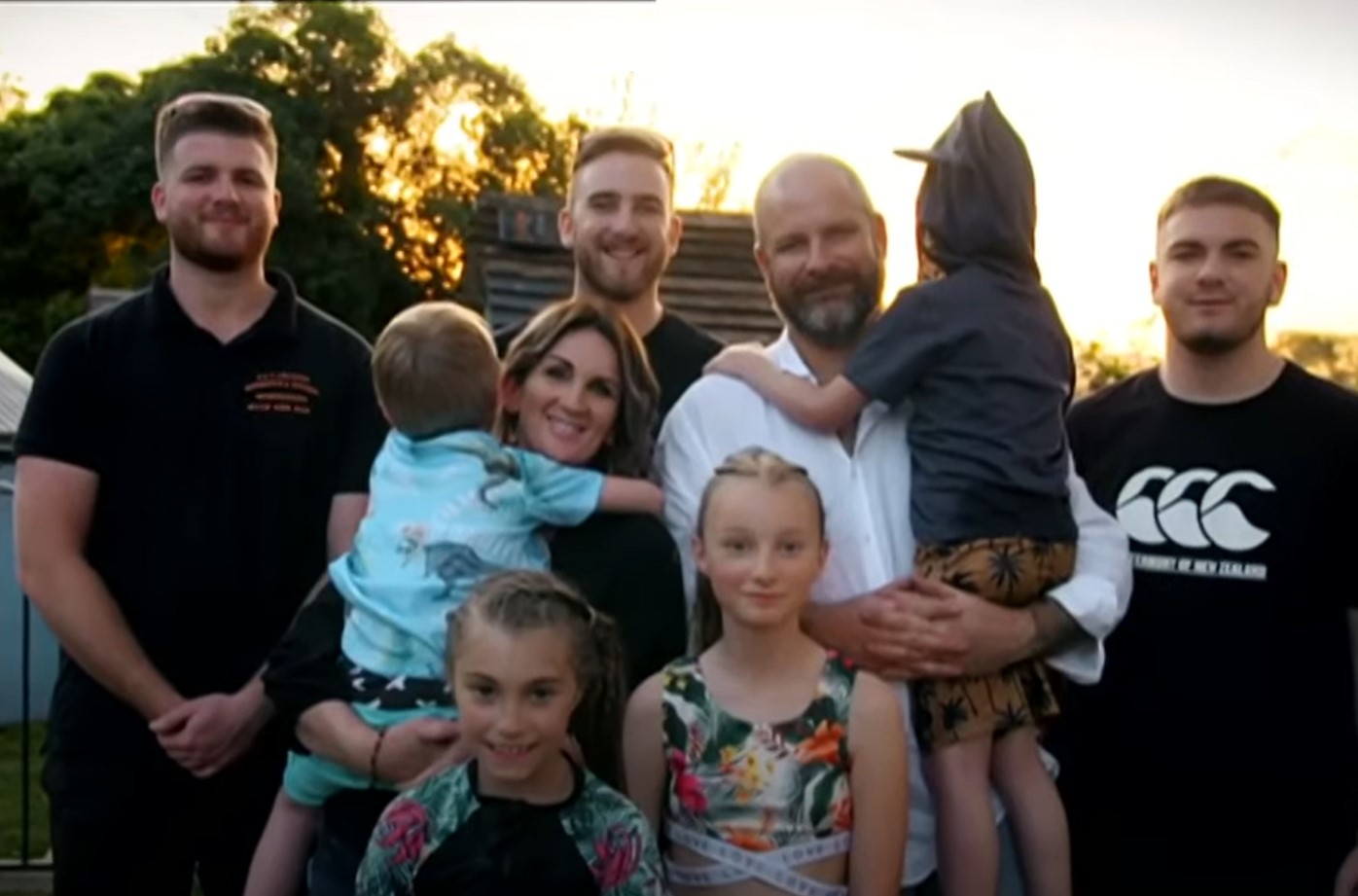
Monica* and her husband have three foster children, all from the same mother. They are five, three and a half and one year old. After applying through a service to become foster parents, they were approved for up to three children - aged 0 to 10.
Key points
- There is a need for foster carers in Australia.
- There are many different types of foster care ranging from long-term care to respite care.
- The starting point is to contact a foster care agency in the state or territory where you live.
«We matched with a little boy and he was seven months old at the time,» says Monica, explaining that they have built their family the same way most other families do by adopting children - «one at a time.».
«His sister was born about 10 months later and they asked us if we would be interested in raising her, and the same happened with their younger sister two and a half years later.”.
Nationally, 46,000 children are in «out-of-home care»
Renée Carter is the CEO of Adopt Change. She says there is a shortage of foster parents in Australia. Across Australia, there are actually about 46,000 children in what's called out of home care or out of home care.
Out of home care is state care where children live away from their biological parents and the government arranges for them to be either in foster care, kinship care or alternative temporary accommodation when no home has yet been found for them, explains Ms Carter.
He says that sometimes there is a real need for a foster family from a particular cultural background.
Alanna Hughes is the Director of the Fostering Young Lives Charity's out-of-home care programme, which provides foster care placements throughout Greater Sydney.
«We have up to 200 children at any given time and about 150 to 160 caregiver households providing care for these children,» he explains.
Why might children need foster carers?;
Children go into foster care for many reasons. These include:
- concerns that children's home life with their parents is unsafe or inadequate.
- domestic violence in the home or
- a history of neglect and/or physical abuse.
«There may be other reasons why children need care, such as, you know, tragic circumstances where family members may have died and there's no one else to care for the children,» Ms. Hughes said.
For her part, Ms. Carter adds that most of these children have been exposed to some form of trauma.
Having a stable, safe and nurturing home is key to the recovery of these children, who have often been exposed to some form of trauma, Ms. Carter adds.
Types of foster care
There are many different types of foster care, explains Alanna Hughes:
«We have everything from short-term emergency caregivers, long-term caregivers, caregivers seeking adoption or guardianship of the children they care for, and we have respite caregivers as well - meaning caregivers who simply provide care as and when they can. So that can be a weekend, a month, or two weekends a month.».
Procedures vary from jurisdiction to jurisdiction
«The laws and procedures vary depending on where you live and whether you work directly with the government department or with a foster agency. But there are some basic steps that are really the same no matter where you are in Australia,» she says.
First, contact whichever your local foster agency is and get some initial information.
Ms Hughes tells the NNO, bodies such as The Benevolent Society approve individuals to become foster parents, but finally the Department of Communities and Justice (DCJ) is the one that matches approved foster families with children in need of care.
«DCJ will contact us to let us know: “We have a child who needs a placement, do you have available caregivers who are a good fit?” We look at the profile of the child and any carers we have, and if they fit , then we may recommend a placement,» summarises Ms Hughes.
Who can become a foster parent?;
According to the Department of Communities and Justice (DCJ) website, applicants wishing to become a contractor are:
- ideally over 25 years old
- Australian citizens or permanent residents
- Be healthy
- not have an unfavourable criminal record.
Ms Hughes says that if they meet these criteria and the first interview goes well, they will then go through an assessment process to see if they would be suitable to become foster parents.
Interim and final sponsorship orders
«When a child initially comes into care, the foster carer takes over the care with what are known as “interim orders”. So the court will make an order for a short period of time in order to take the necessary steps to fully protect the child,» Ms Hughes explains.
In some cases, a child who joins a family for a short time may end up staying with them long-term, but it is almost impossible to know for sure from the start, Ms Hughes explains.
Other times, a long-term caregiver who has had a child in their care for years may express an interest in guardianship or adoption. Monica admits, especially in the beginning, it was not easy to come to terms with the uncertainty of foster care.
«It's always something that doesn't feel as permanent as an adopted child or your own child.».
Maintaining contact with the child's biological family
In most cases, foster parents are expected to maintain connection and contact with the children's biological family.
«Sometimes...biological family involvement is non-negotiable unless there is a significant safety risk, but it's very important for children to have access to the families where they were born to understand where they come from,» Monica explains.
She currently has contact with the biological family of the 3 children she cares for, mainly through the foster agency, several times a year.
“We send photos, we send reports on the health and well-being of the children. We also attend family meetings once a year to formally update birth families on how the children are doing,” says Monica.
It is a «rewarding experience»
Ms Hughes says being a foster carer is much more than just providing a home for a child. «We need to foster these children in a way that is informed about the trauma they have suffered and provide therapeutic fostering to help these children overcome some of the trauma they have.».
Ms Carter says that in terms of therapeutic parenting and understanding what a child has been through and how best to help them, these are things that foster parents are provided with training and support for.
«Absolutely this is a rewarding experience, as you get to know these young people and see them grow and access opportunities and fulfil their potential for what they want out of life,» he added.