The construction of undersea tunnels is one of the most impressive technological advances in transport infrastructure, allowing fast and safe connection of areas that previously depended exclusively on waterways. One of the most ambitious projects of our time is the undersea tunnel Fehmarnbelt, which will unite the Denmark and Germany under the Baltic Sea, offering new possibilities for Europe's land transport.
The Fehmarnbelt project: a revolutionary connection
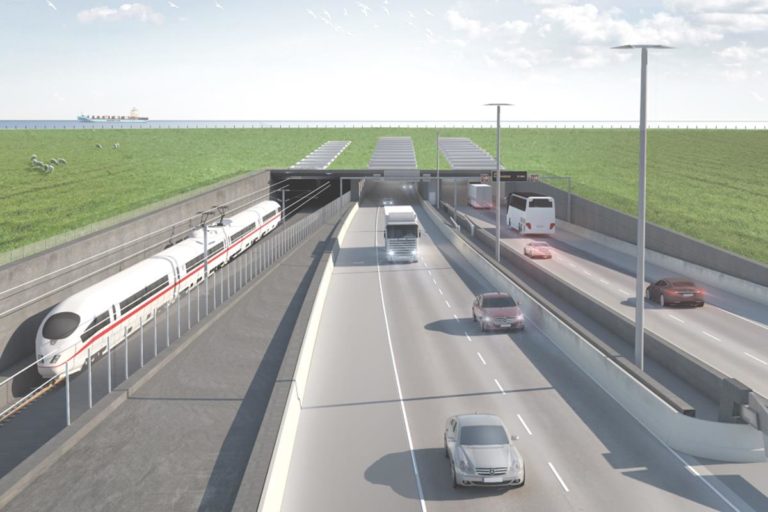
The Fehmarnbelt Tunnel is an ambitious infrastructure project with a length of 18 kilometres, which when completed the 2029, will allow both vehicles and trains to pass under the sea, drastically reducing journey times.
Technical characteristics:
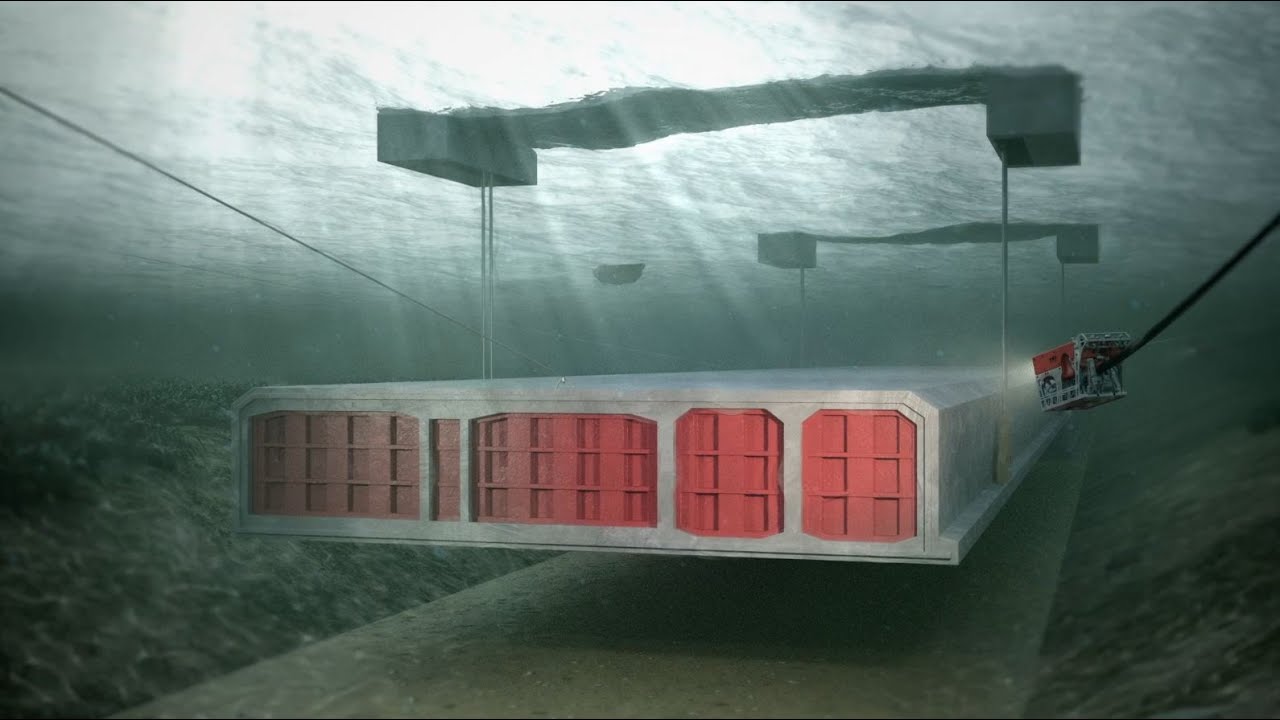
- The project will consist of 89 huge concrete sections, each of which will have a length of 217 metres and weight 73,500 tonnes.
- It will include four-lane motorway and double electric railway line.
- The duration of the journey between Puttgarden (Germany) and Rødbyhavn (Denmark) will be reduced from 45 minutes to just 7 minutes by train and 10 minutes by car.
This means that the Fehmarnbelt Tunnel is not just a shortcut for travellers, but a key change in the way goods are moved and handled in Europe.
Economic and strategic importance
The Fehmarnbelt tunnel represents an investment of more than EUR 7 billion, funded by Denmark, with the potential to generate significant economic growth and new jobs.
- Reduction of travel time: The rail link Hamburg - Copenhagen will be reduced from 4,5 hours in 2,5 hours, boosting trade and tourist flows.
- Scandinavia-Europe rail link: Rail services will be able to continue from Germany to Sweden, Norway and Finland, strengthening the continent's transport network.
- Alternative to ferry transport: The need for ships in the region will be reduced, limiting the carbon emissions and transport costs.
The project is part of the European strategy for a more sustainable and integrated transport policy, supporting the green growth and the decongestion of road networks.
Technology and innovation
The construction of the Fehmarnbelt is a technological challenge, as the tunnel will not be bored using the traditional methods of tunnel boring (TBM - Tunnel Boring Machines), but with the immersed tunnel method (immersed tunnel).
The procedure includes:
- Construction of the sections on land.
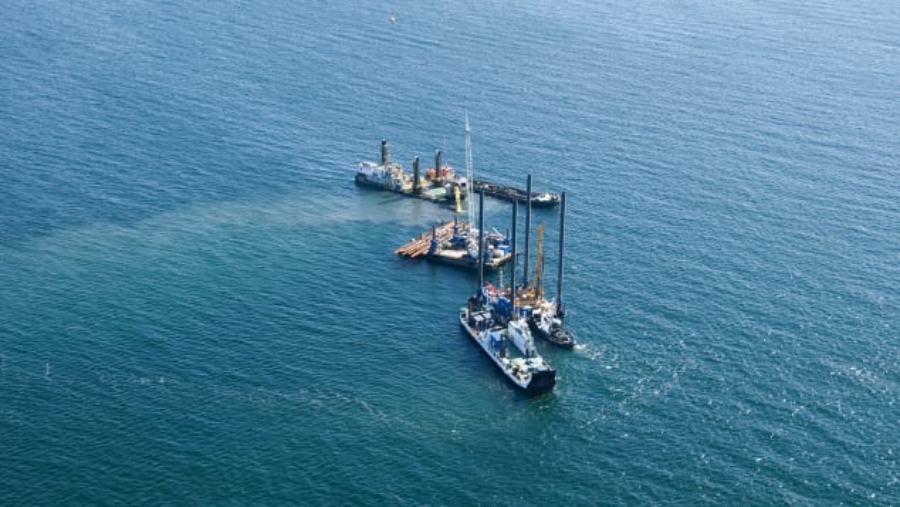
- Transport to the sea with special tugs.
- Sink them to the bottom, where they will be connected together.
- Evacuate the water and start operation.
This method allows greater precision and speed in manufacturing, reducing costs and environmental impacts compared to traditional drilling techniques.
The Fehmarnbelt and the future of underwater infrastructure
The success of the Fehmarnbelt Tunnel could pave the way for new projects around Europe and the world.
- The Eurotunnel (Channel Tunnel), linking France to the United Kingdom, has already demonstrated the importance of undersea connections.
- The new Japan-Korea undersea tunnel, which is currently being planned, is a similar effort in Asia.
The Fehmarnbelt is not just a tunnel; it is proof that technology and human innovation can overcome physical barriers, redefining the future of transport.
The Fehmarnbelt tunnel is a a milestone in European infrastructure, which combines innovation, speed and sustainability. With its potential to change the way we travel and transport products, it is a living proof that technology can revolutionise mobility.
As we approach its completion in 2029, the Fehmarnbelt is expected to transform transport in Northern Europe, setting a new standard for the future of undersea connections.