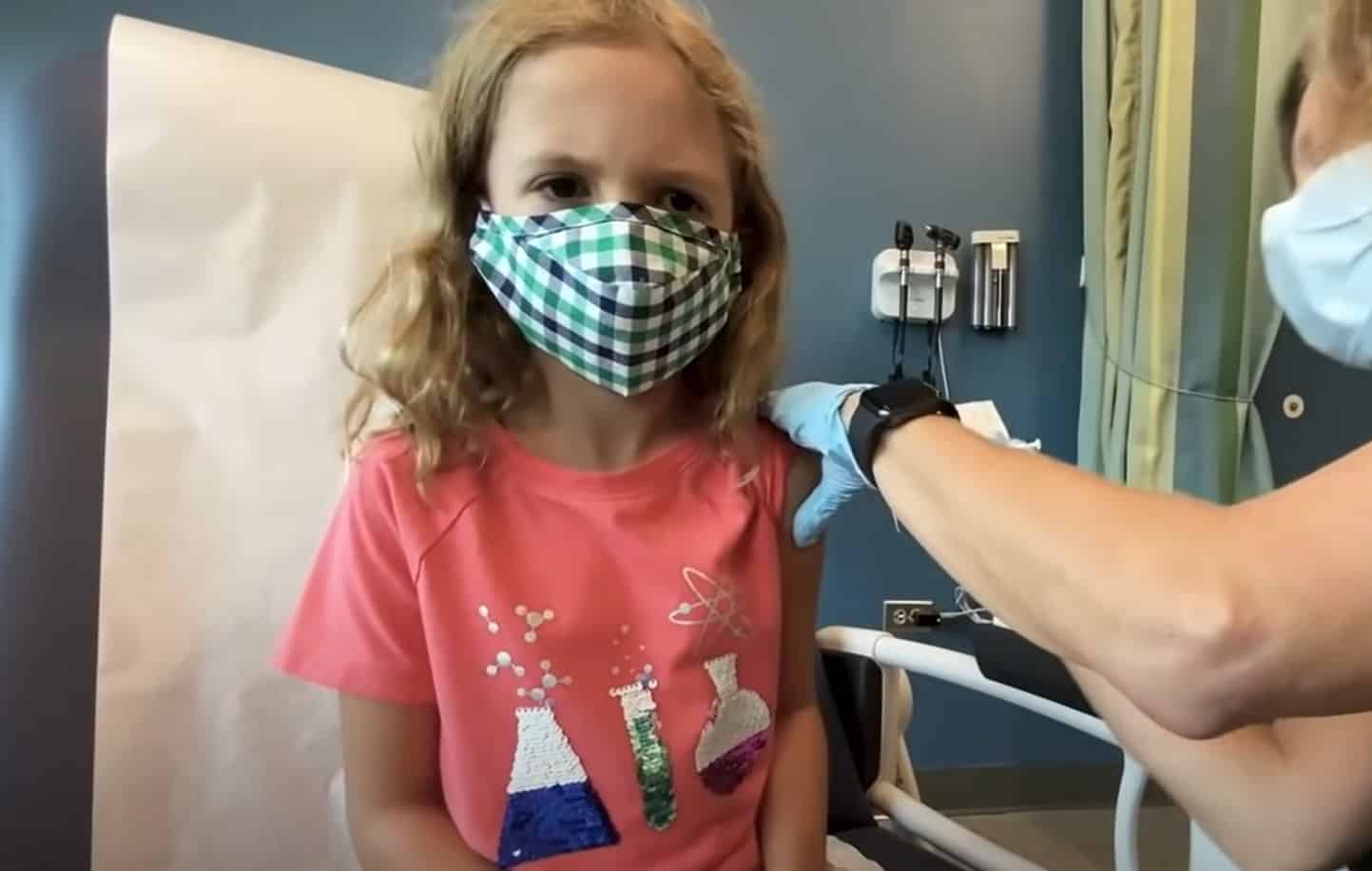
Today starts the vaccinations for children aged 5-11 years, with our country received the first 60,000 doses of childhood vaccines from the companies Pfizer/BioNTec. Already, since 10 December, thousands of parents have been visiting the platform emvolio.gov.gr and make appointments for vaccination against COVID-19 for their children, and by yesterday afternoon that number had risen to 31,000.
The vaccine given to children contains 1/3 of the adult dose of antigen and the regimen is two doses with a 21-day interval between doses. In the case of a child who is sick, the vaccine is given after three months.
As far as adverse effects are concerned, as shown after 11 million doses have been administered worldwide, they are similar to those of standard vaccines. That is, a slight fever or local reaction at the injection site.
Vaccination centres in 75 regions
Vaccinations are carried out in Primary Care facilities and hospitals and in the first phase there will be vaccination centres for paediatric vaccines in 75 regions of Greece. More vaccination centres and Health Centres will be added gradually.
In Attica, vaccinations will take place at 5 vaccination sites: at the Agia Sophia Children's Center, at the Pedon of Penteli, at the Asclepion Voula, at the Agia Sophia Health Center in Piraeus and at the Health Center of Peristeri.
Also, in the islands and remote areas, “raid vaccinations” will be applied, as was the case with the first and second tranches.
It is noted that the National Vaccination Committee has given a positive and unanimous opinion on the vaccination of children in this age group. The recommendation was formulated on the basis that the vaccines will offer protection to the children themselves, while helping them to attend education and all activities in the community unhindered. In addition, vaccination of children aged 5-11 years will also reduce the spread of the virus in the environment, thus indirectly protecting vulnerable people around them, and increasing the number of people vaccinated contributes significantly to reducing the number of mutations of the virus.
Scientists stress that winter is the worst time for the virus to spread, so parents ’should not delay immunising their children«.