chichorium spinosum L.
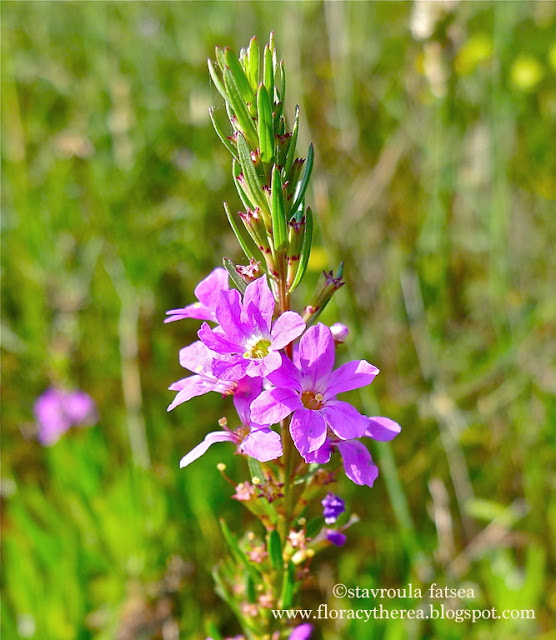
A dense, spiny, thorny bush that reaches a height of 20-25 cm. Spreading along the entire Mediterranean coast from Malta to Cyprus. It flowers from June to August. The leaves are smooth, fleshy and serrated and grow close to the base of the plant while the outer branches have a spiny terminal. It flowers from late May to September. The purple flowers on the axils of the stems resemble those of common radicchio (cichorium intybus)
The tender shoots are eaten as a raw salad or boiled. They can also be pickled. They are considered a delicious delicacy especially in Crete where the plant in its wild state is very common. Of course, the high demand and the destruction of the bushes by indiscriminate harvesting has led to the need to cultivate the plant with the expected deterioration of its taste and nutritional value.
In Kythera before the prevalence of the tourist spirit we called it rock salad or salad of the glass. The Cretan name stamnagathi is due to the habit of the old Cretans of plugging the mouth of the pitcher with the plant to protect the water in it.
The old Tsirigotes collected it wisely, taking care not to destroy the root of the bush so that they could have it for many years. Unfortunately, in recent years the entire bush has been uprooted and as a result its numbers have declined dramatically, particularly in the east of the island where I caught it in great abundance around 2000. Recently the name stamnagathi has also prevailed in Kythera for ease of recognition, especially by visitors to the island. As far as I know it is grown on a small scale and to meet the increased demand of the tourist season it is imported like other vegetables.
Theophrastus uses the word myacanthus for the plant (On Plants Hist. Vi 5,1) while the name chicory refers to the cichorium intybus, ...the common wildcat. The characteristic adjective of the species is derived from the Latin adjective spinosus-a-um = thorny.