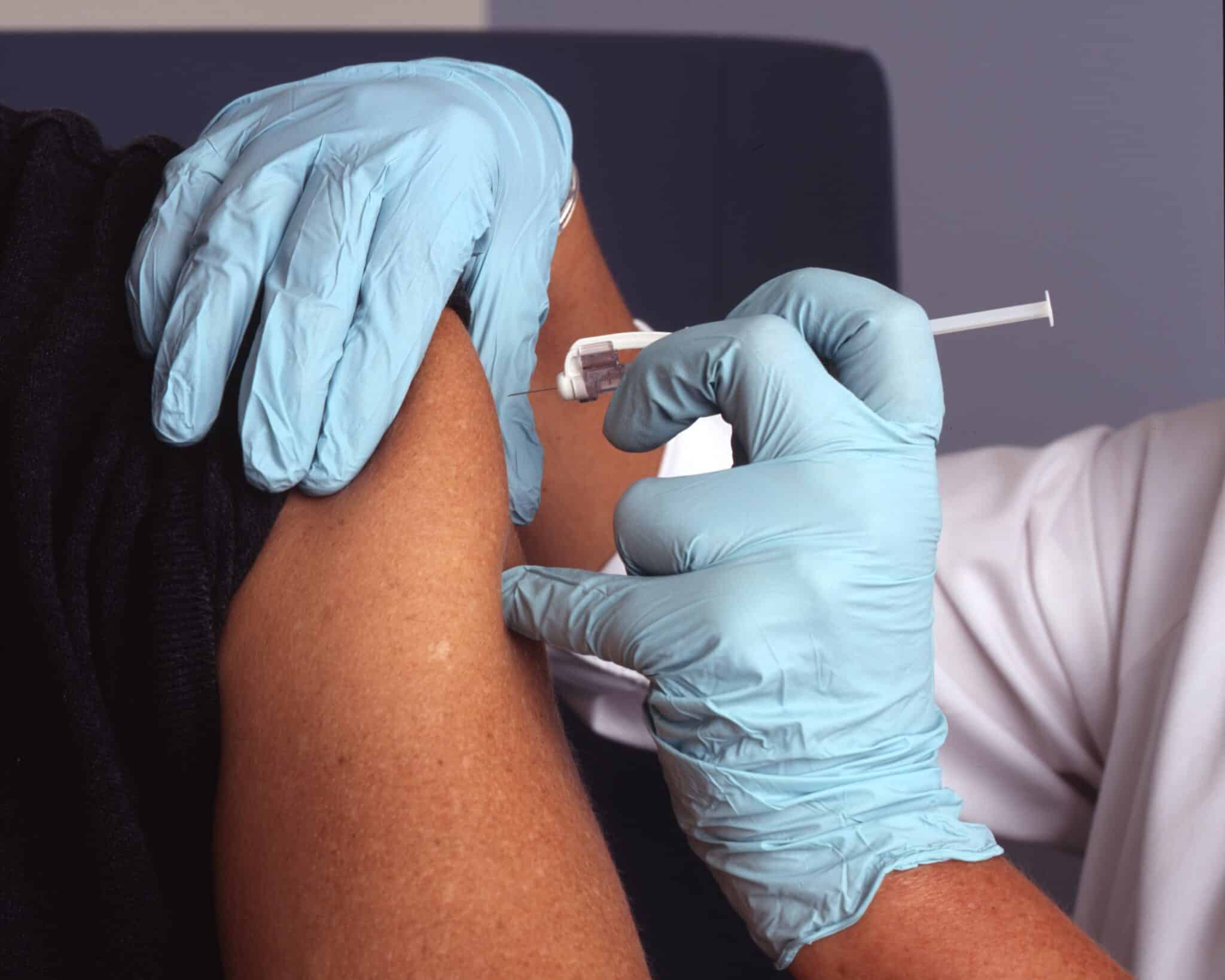
As long as the vaccination of the population against the SARS-CoV-2 progresses, the more questions arise as to whether the pandemic this will end with the building of the «wall of immunity». The «immunity wall» threshold was set to achieve immunity in 60-70% of the population either through infection or vaccination. As we enter the second year of the pandemic, this goal seems elusive, due to new strains, scepticism about vaccination, and late vaccination of children.
Doctors of the Therapeutic Clinic of the Medical School of the National and Kapodistrian University of Athens, Theodora Psaltopoulou, Panos Malandrakis, Yannis Danasis, and Thanos Dimopoulos (Dean of the University of Athens), summarize the relevant publication of Nature. The fact that the «immunity wall» is now an unattainable scenario does not diminish the value of vaccination as a weapon against the pandemic. In the near future, scientists now believe that a return to normality does not require the immune wall, but in the long term COVID-19 infection will be endemic. This rationale is based on several reasons such as:
It is unclear whether and to what extent vaccines prevent transmission of the virus
The key to the «wall of immunity» is that even if someone gets sick, there are few aware (who can be infected) people in their environment. Vaccines have proven their effectiveness against symptomatic disease, but the data around the prevention of transmission is not yet mature, and this is a key point for vaccination to contribute to the «immunity wall». No 100% protection from transmission is required and a vaccine protection rate of 70% against transmission of the virus would be sufficient.
The distribution of vaccines is unequal
A coordinated simultaneous global vaccination mobilisation could theoretically eliminate the infection COVID-19. However, different vaccination coverage across countries, or even within states within the same country (USA) and different age groups vaccinated at different times, with children not yet vaccinated, can lead to new outbreaks even in countries with vaccination rates approaching the «wall of immunity». Assuming that most minors are not vaccinated (since vaccines for under 16 years of age are not yet approved), 100% of the population over 18 years of age need to be vaccinated to reach an immunity of 76% in the whole population.
The new strains tip the balance of the «immunity wall»
The example of Brazil explains this case. Due to the massive outbreaks at the beginning of the pandemic, by June 2020 it was estimated that over 60% of the population became ill, a rate that the «immunity wall» could achieve. However, in January 2021, the new strain, known as P.1, led to a new outbreak. Rapid mass vaccination could prevent the new strains from emerging, and becoming dominant.
Immunity may not last forever
The «immunity wall» is achieved either through vaccination or through natural infection. The length of time that the immunity provided by natural infection lasts is not known. Data so far from previous coronaviruses indicate that immunity gradually decreases, not reaching zero but not forever at 100%. Also vaccines are not effective at 100%. If we assume that natural immunity lasts only a few months, then the timeframe for implementing vaccination is even tighter. The duration of the immunity provided by the vaccines, and when and if boosting doses will be needed, also need to be determined.
Completing vaccination changes human behaviour
As people get vaccinated, they gradually relax their prevention measures, increase their interactions and tip the scales of the «immunity wall», which also depends on one's exposure to the virus. Vaccines have an efficacy that reaches 90%, so if before the vaccine someone came into contact with one person and then comes into contact with 10, they end up at the same point. Breaking the chain of transmission will be contributed by the use of a mask, preventing the prevalence of new strains until the vaccination is complete. People very quickly want to return to their pre-pandemic lives and behaviour, however it is important to make it clear that we are not yet safe from the pandemic, but we are «safer than we were».
Based on the evidence so far, vaccination may not realistically provide us with the «immune wall» and cannot bring an immediate end to COVID-19 infection, but it can reduce hospitalisations and mortality from the infection, especially in vulnerable groups. The infection may not disappear immediately, but its severity and threat will be reduced.