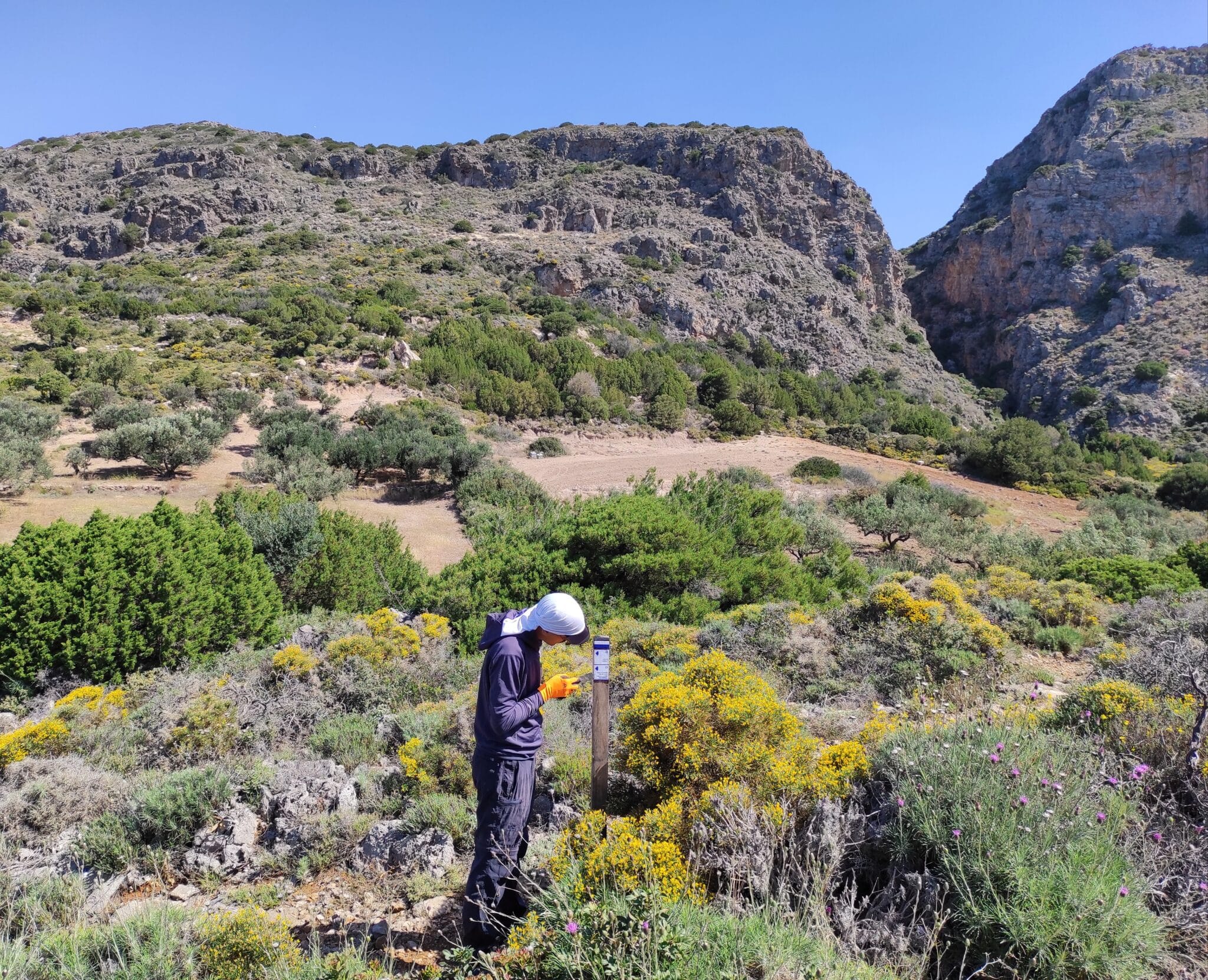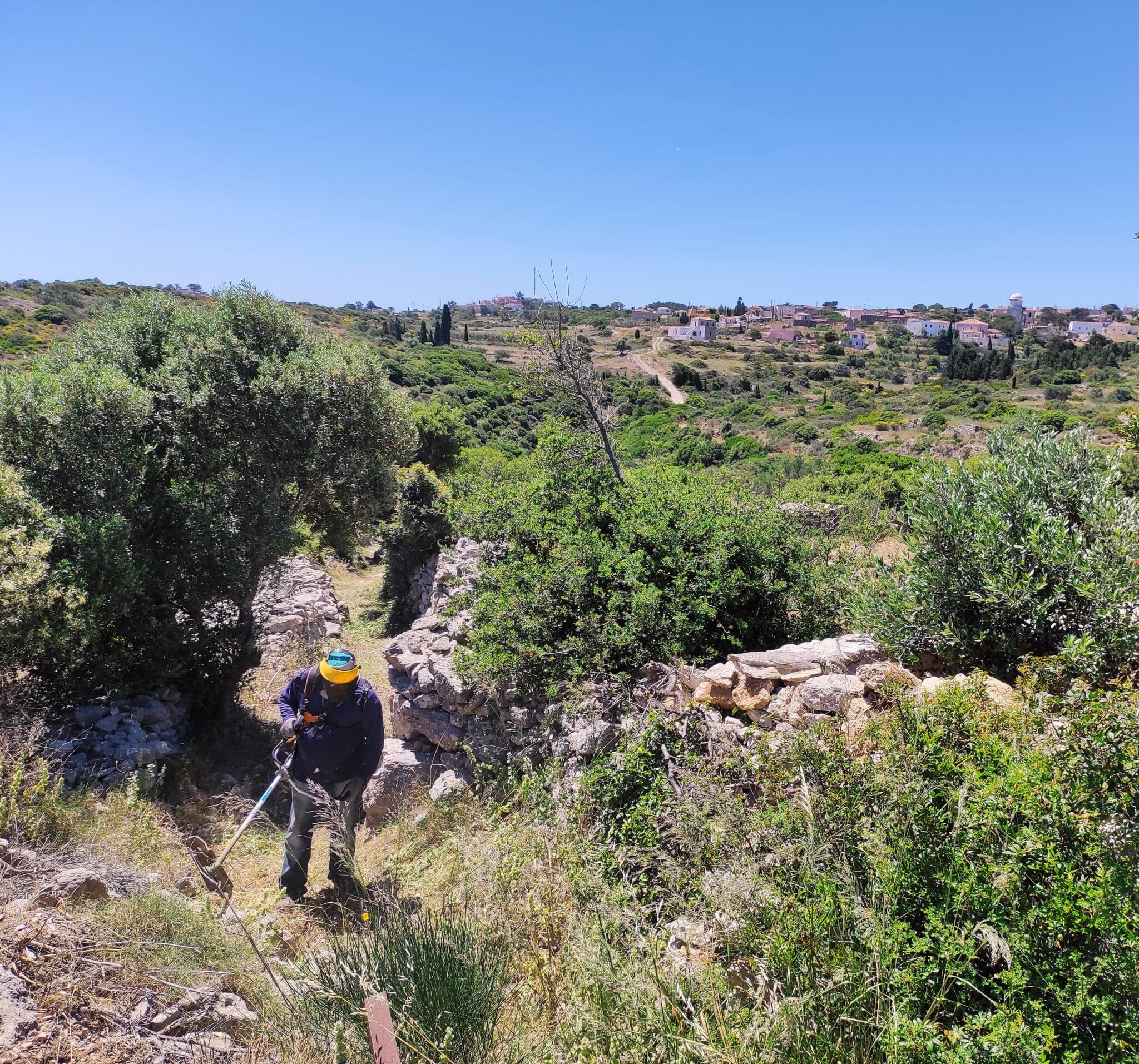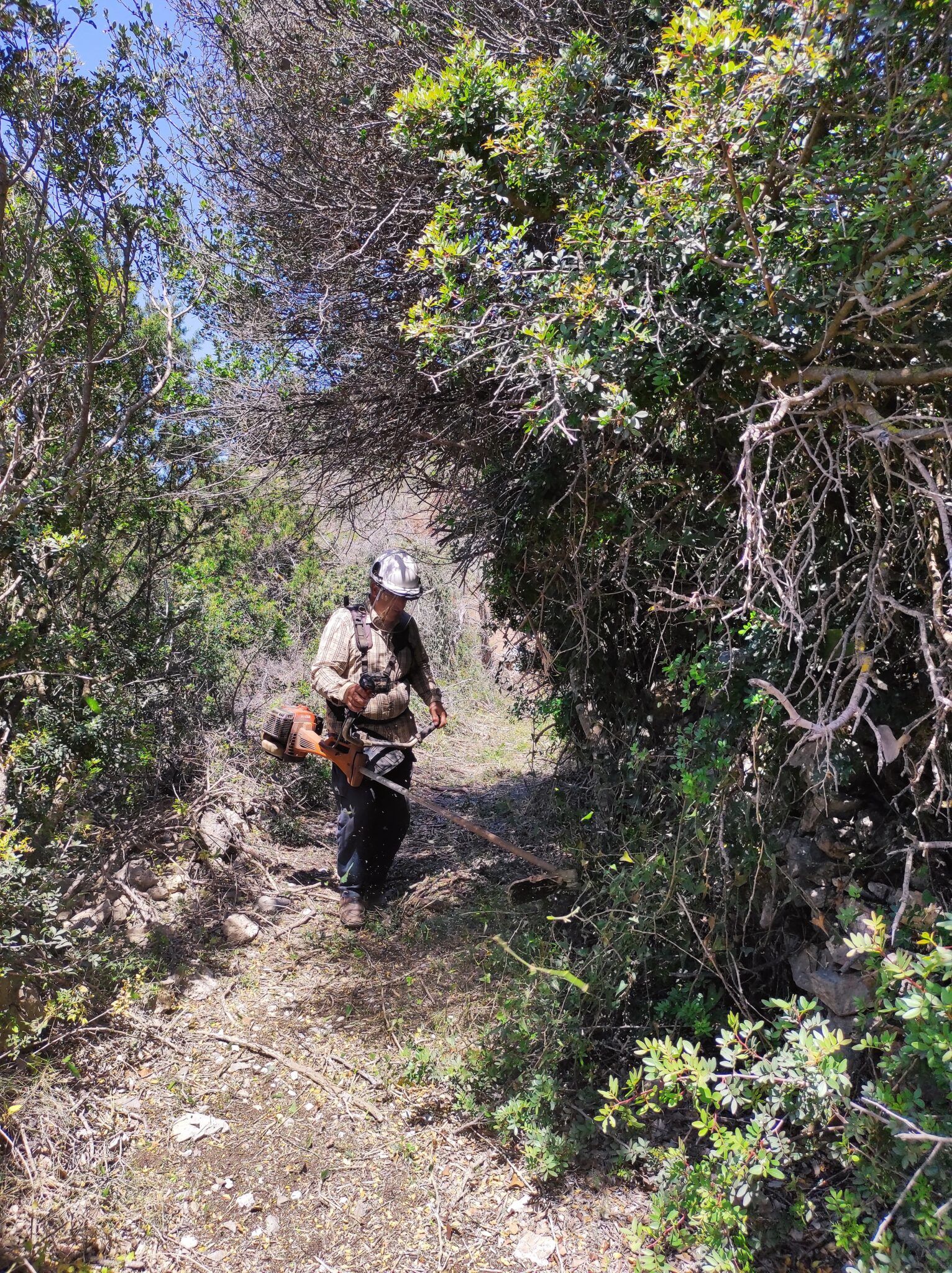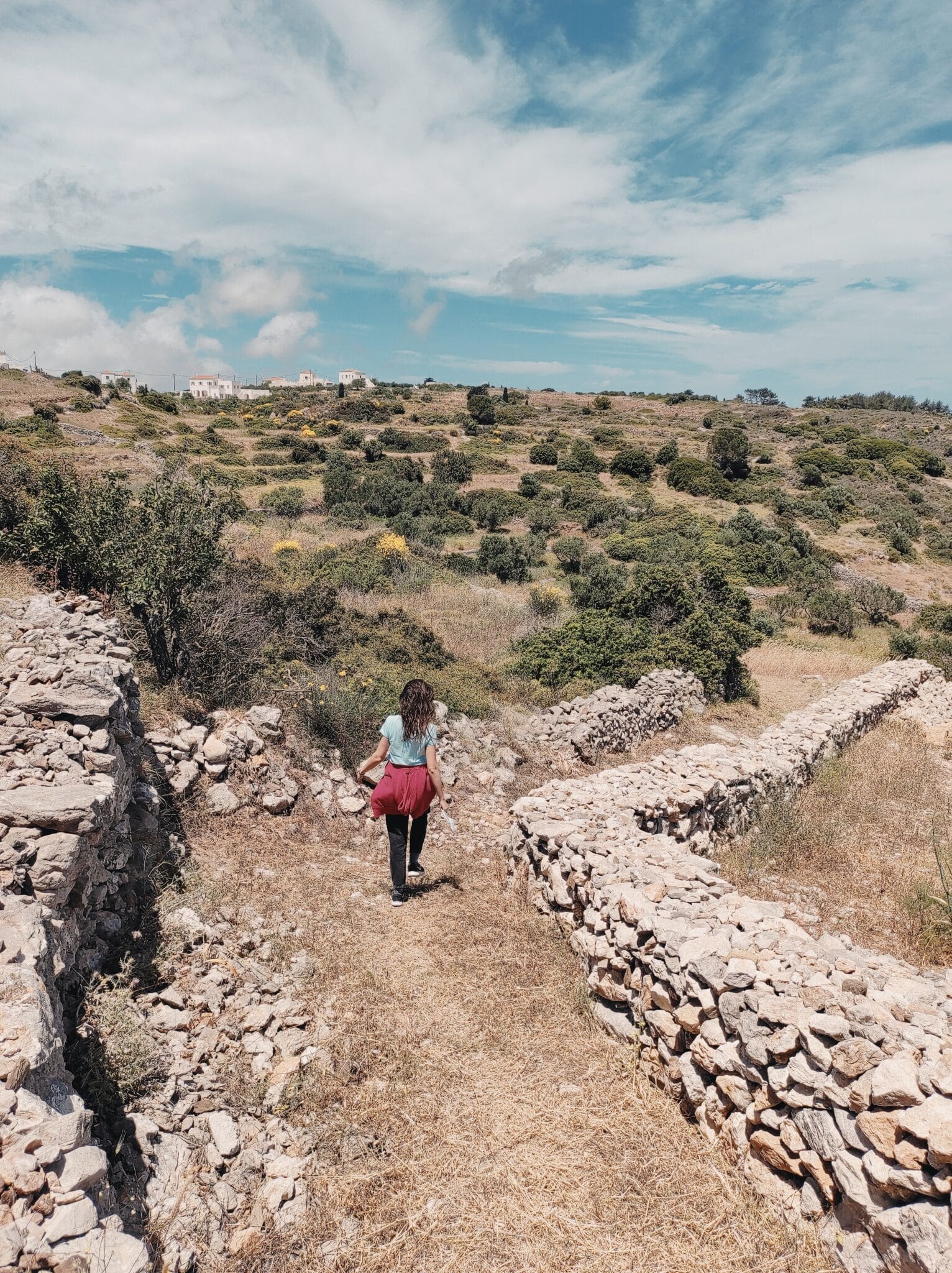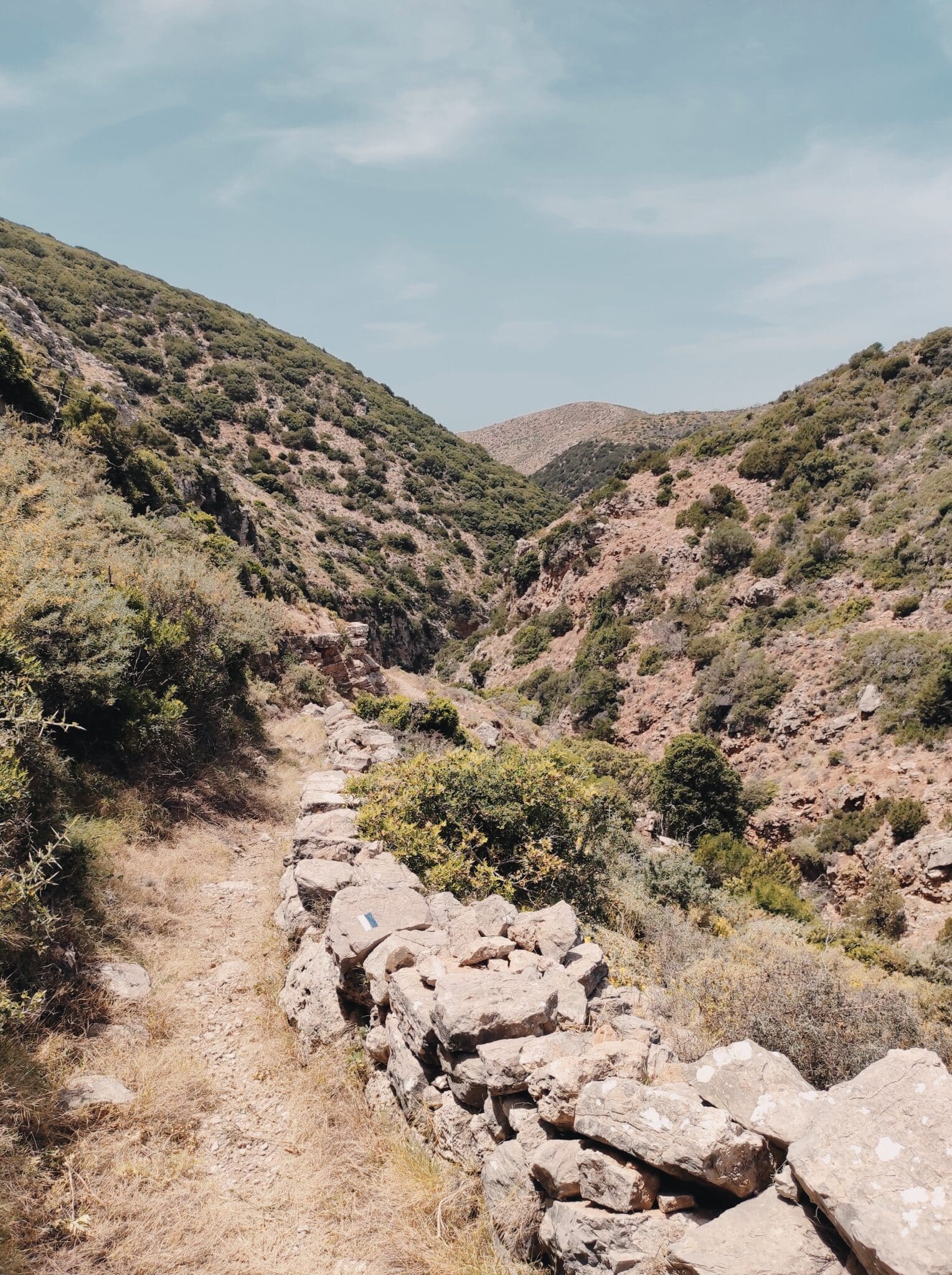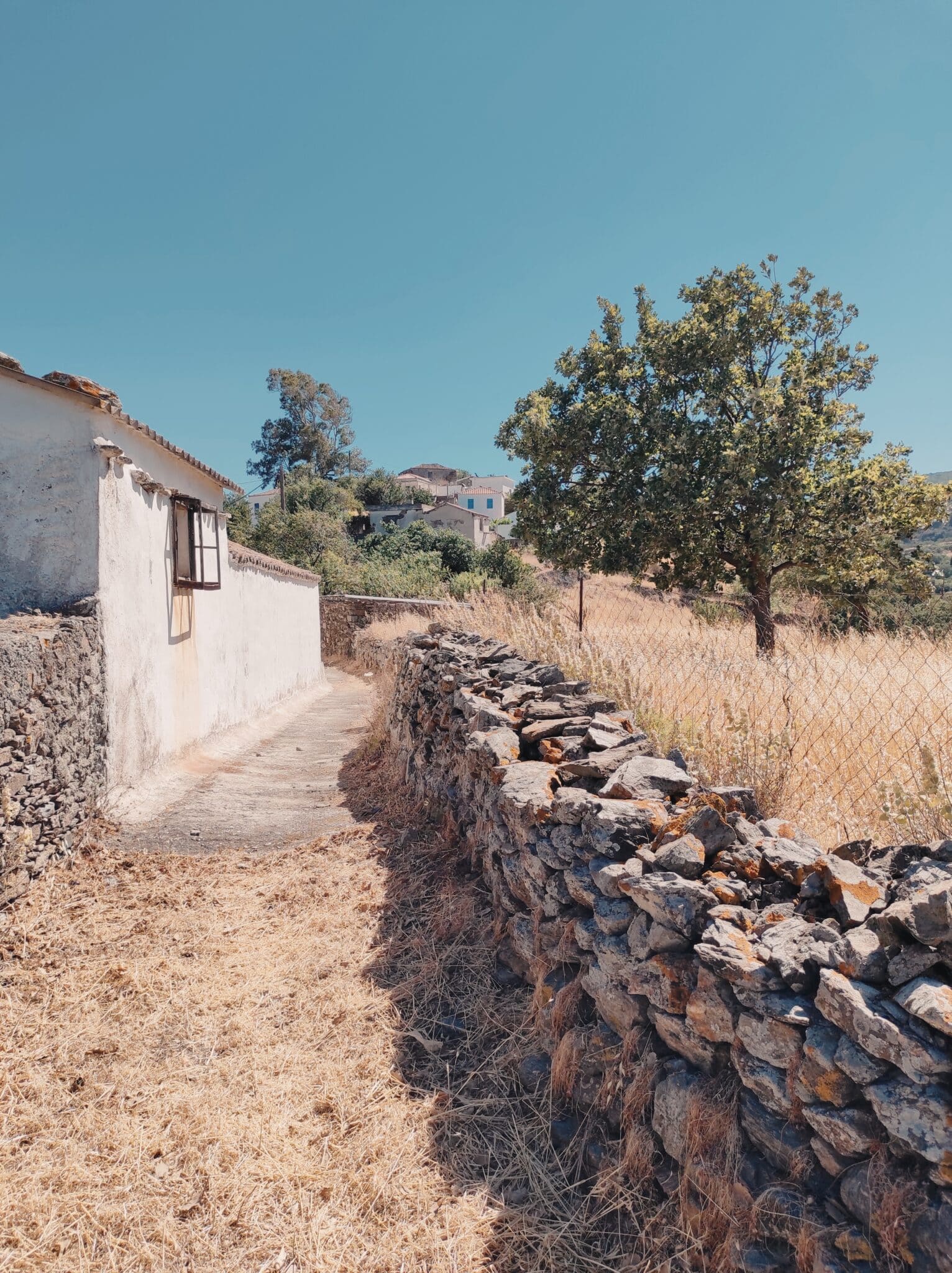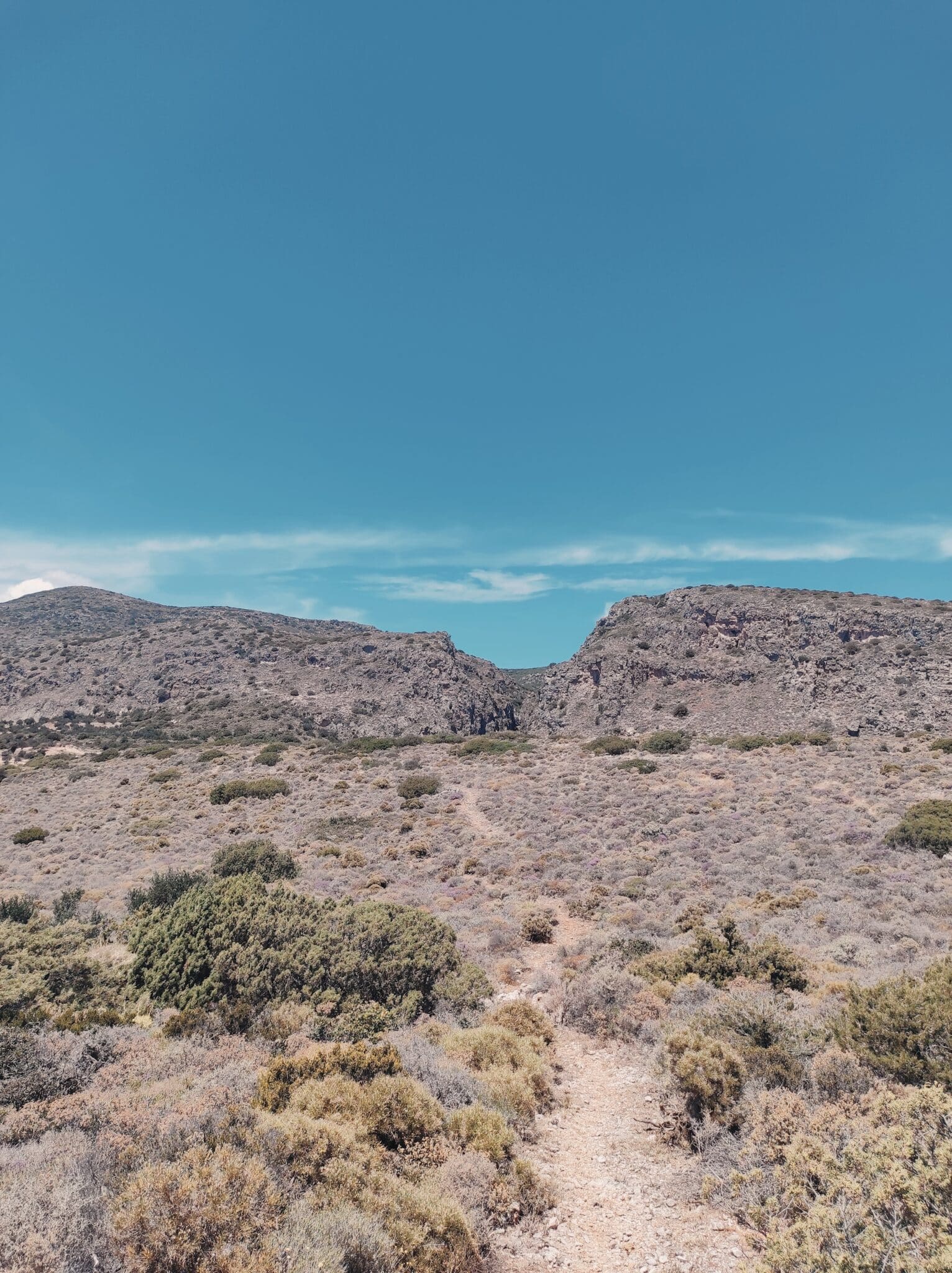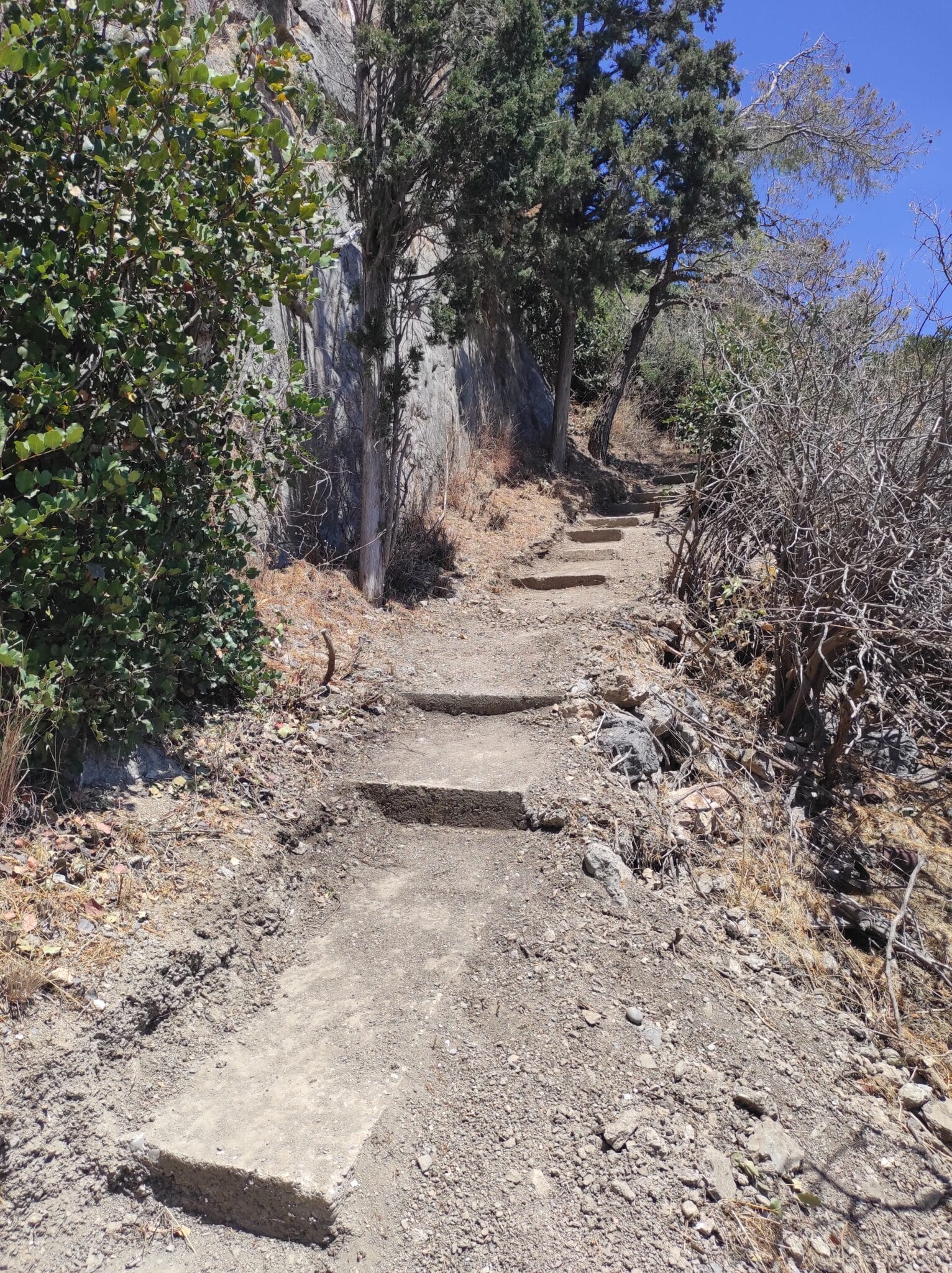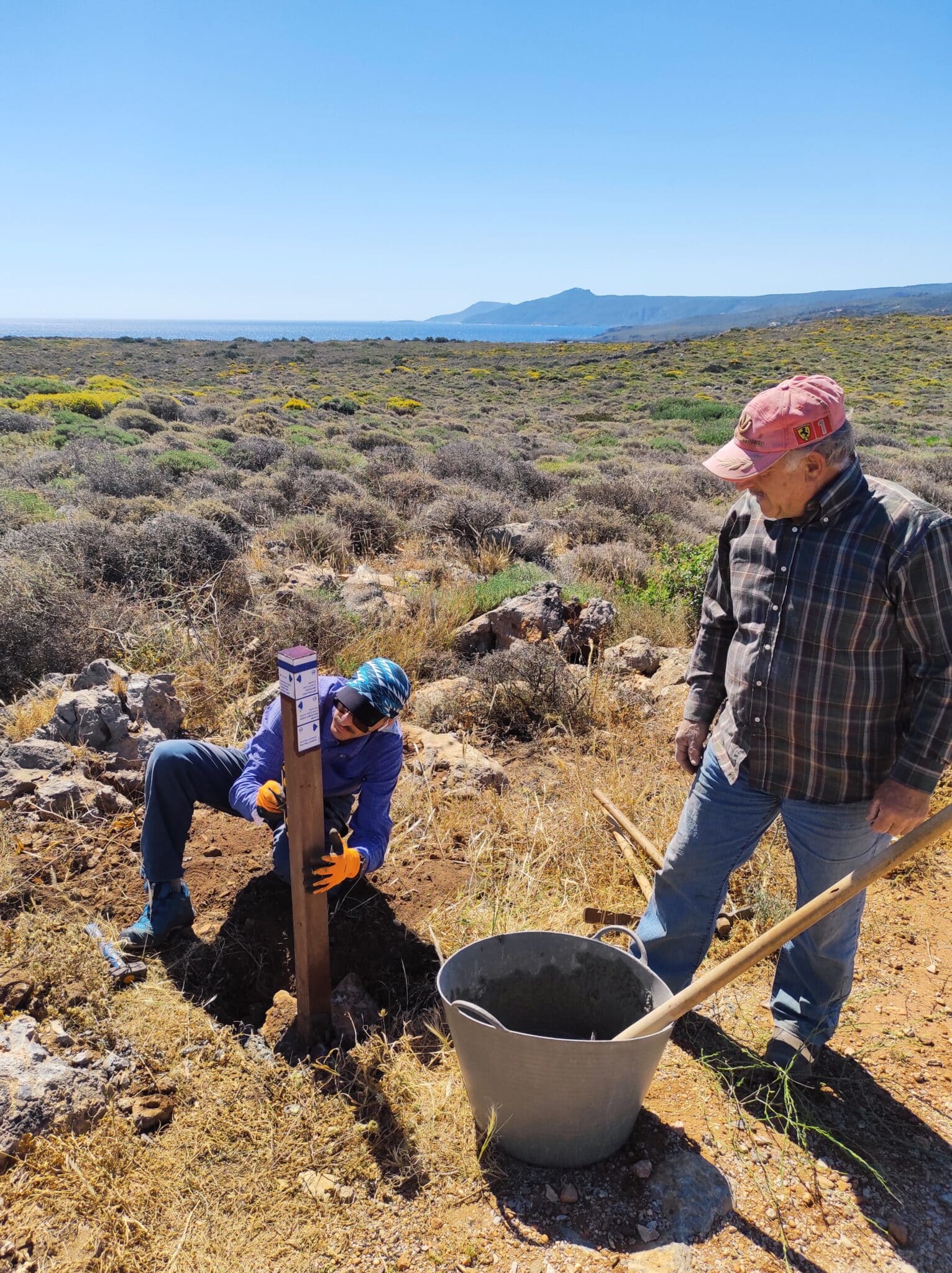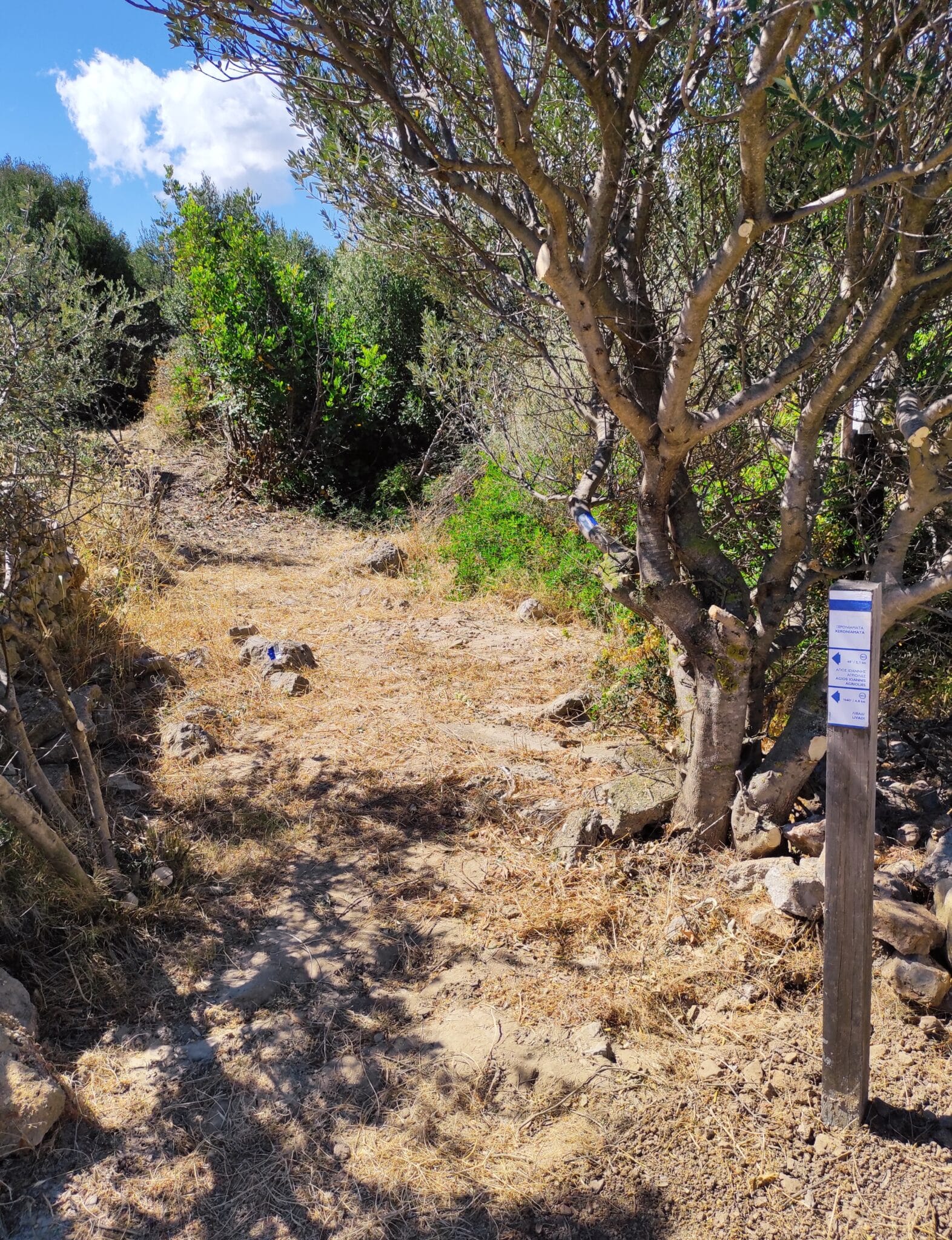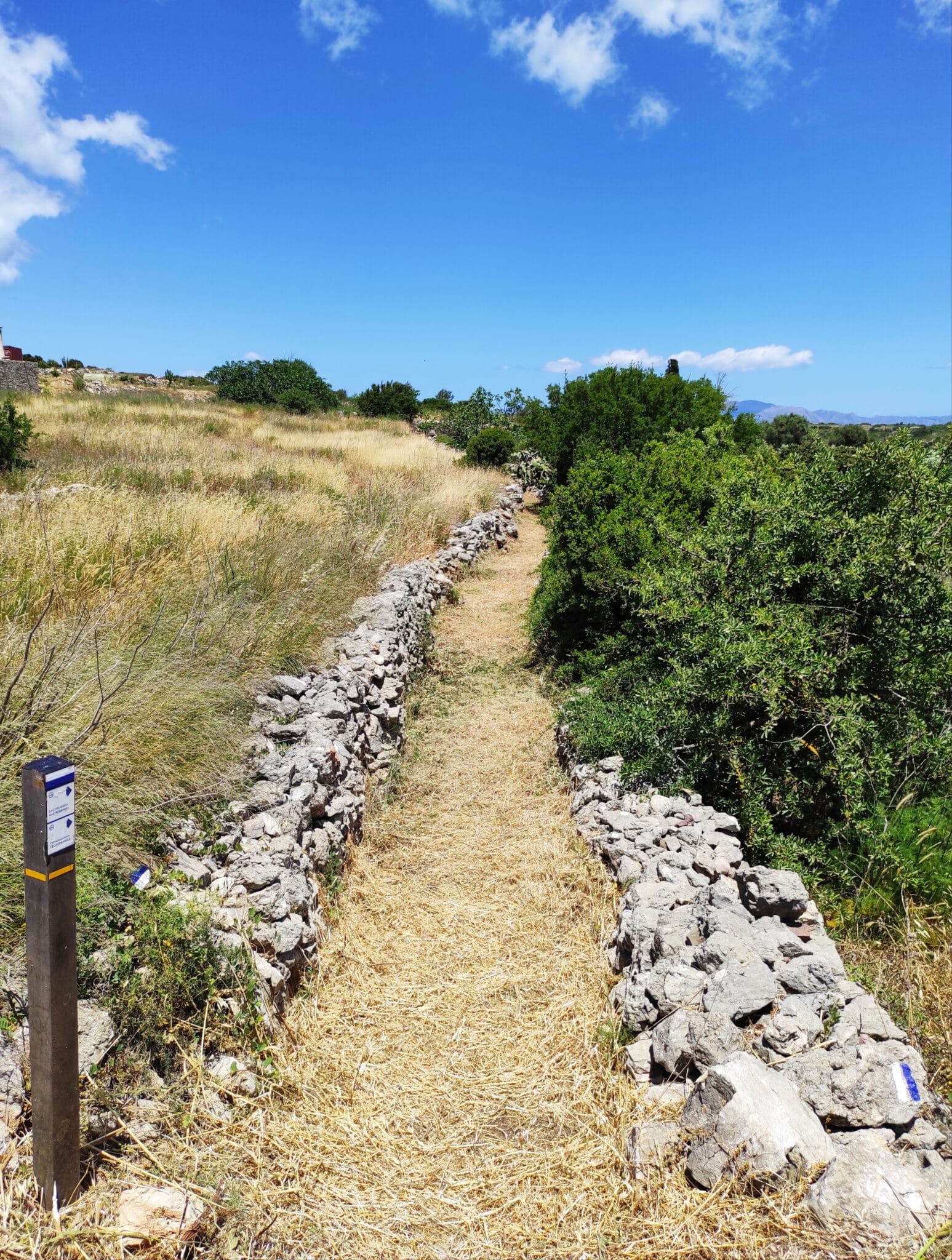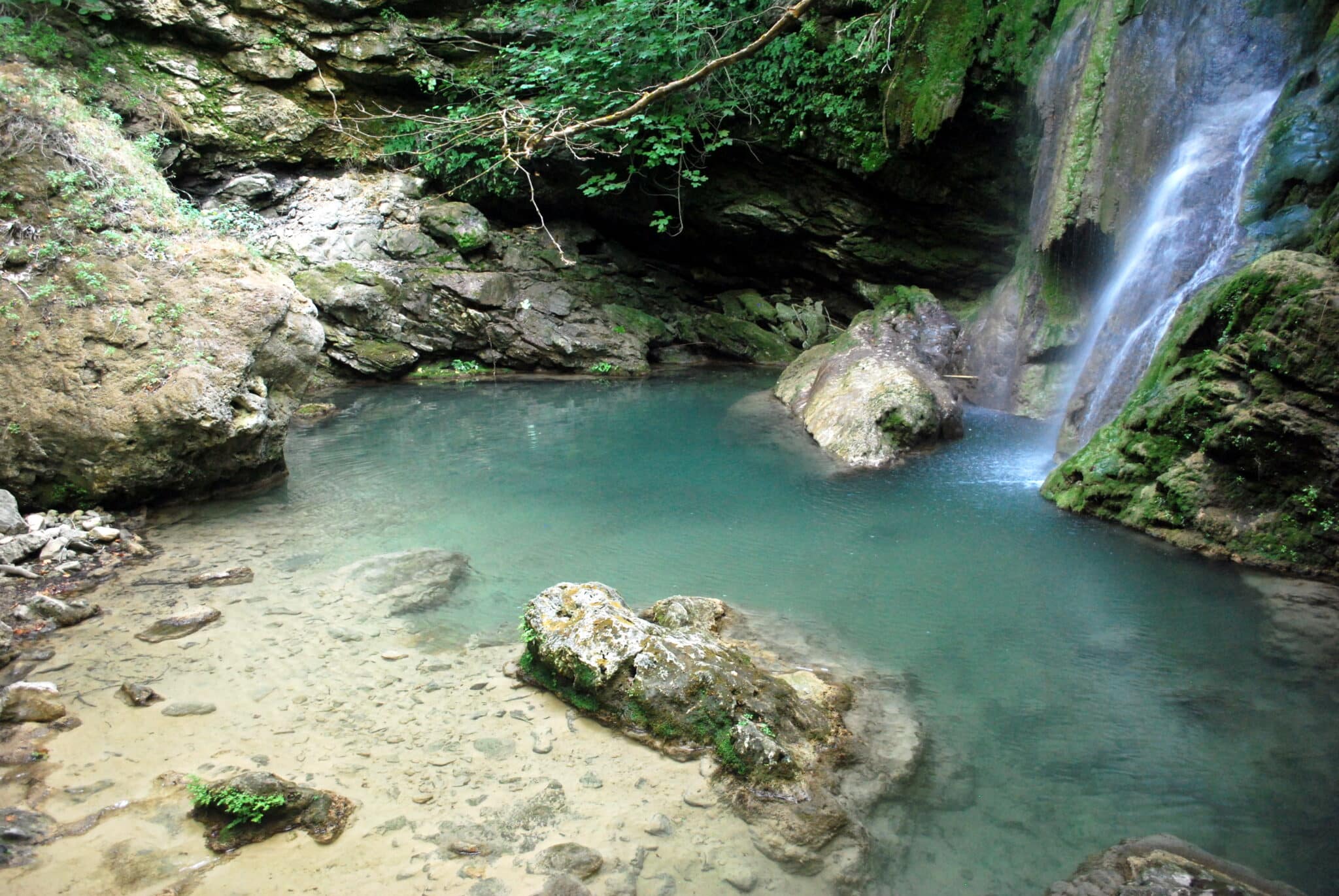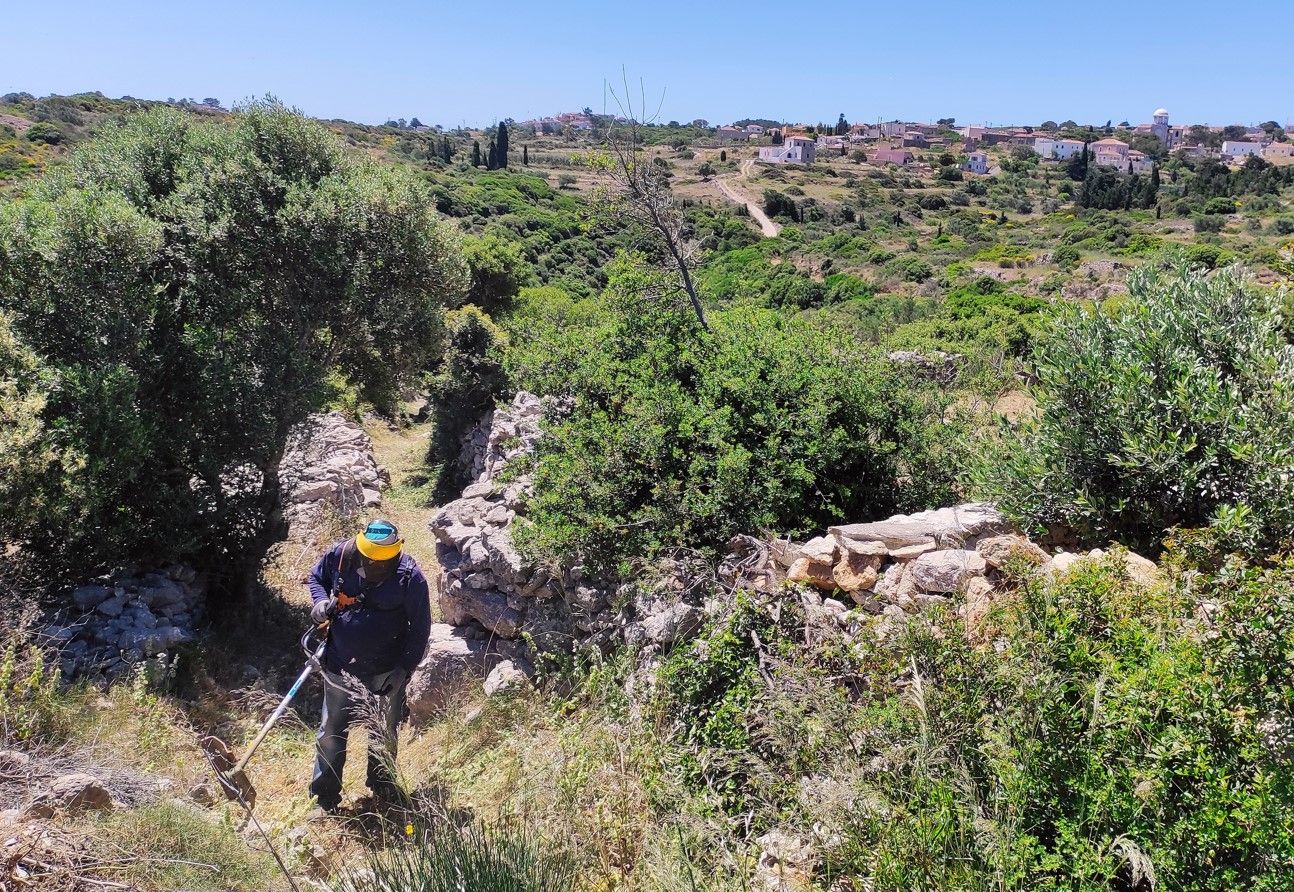
For the second consecutive year, the Kythira Foundation for Culture and Development (K.I.P.A.) carried out maintenance and further improvements to the trail network, «Kythera Trails». A total of 33 sections of walking trails were upgraded, as well as the entire route of the Mylopotamos. Furthermore, thanks to our collaboration with the «Paths of Greece», the traffic signal system was restored.
For more information, see the press release below:
«Over the past two years, an outdoor workshop has been set up in every corner of Kythira to maintain the roads of our ancestors.
The old trails of Kythira are part of our cultural heritage, and many of them have been restored, forming a comprehensive network of trails: the Kythera Trails.

In this way, the hidden beauties of our island are now accessible without compromising the traditional landscapes, and they attract visitors even outside the tourist season. The goal is to support local businesses while also fostering innovation and youth entrepreneurship.
His actions Kythira Foundation for Culture & Development (KIPA) «OThe »Comprehensive Maintenance and Improvement of the Kythira Trail Network 2021” project was carried out with great success, improving 33 trail sections and entire routes, such as the one in Mylopotamos (M41).
At the same time, in collaboration with the Social Cooperative ‘Paths of Greece – Paths of Greece’, the traffic signal system with directional posts was restored in areas where there had been technical problems and equipment failures.
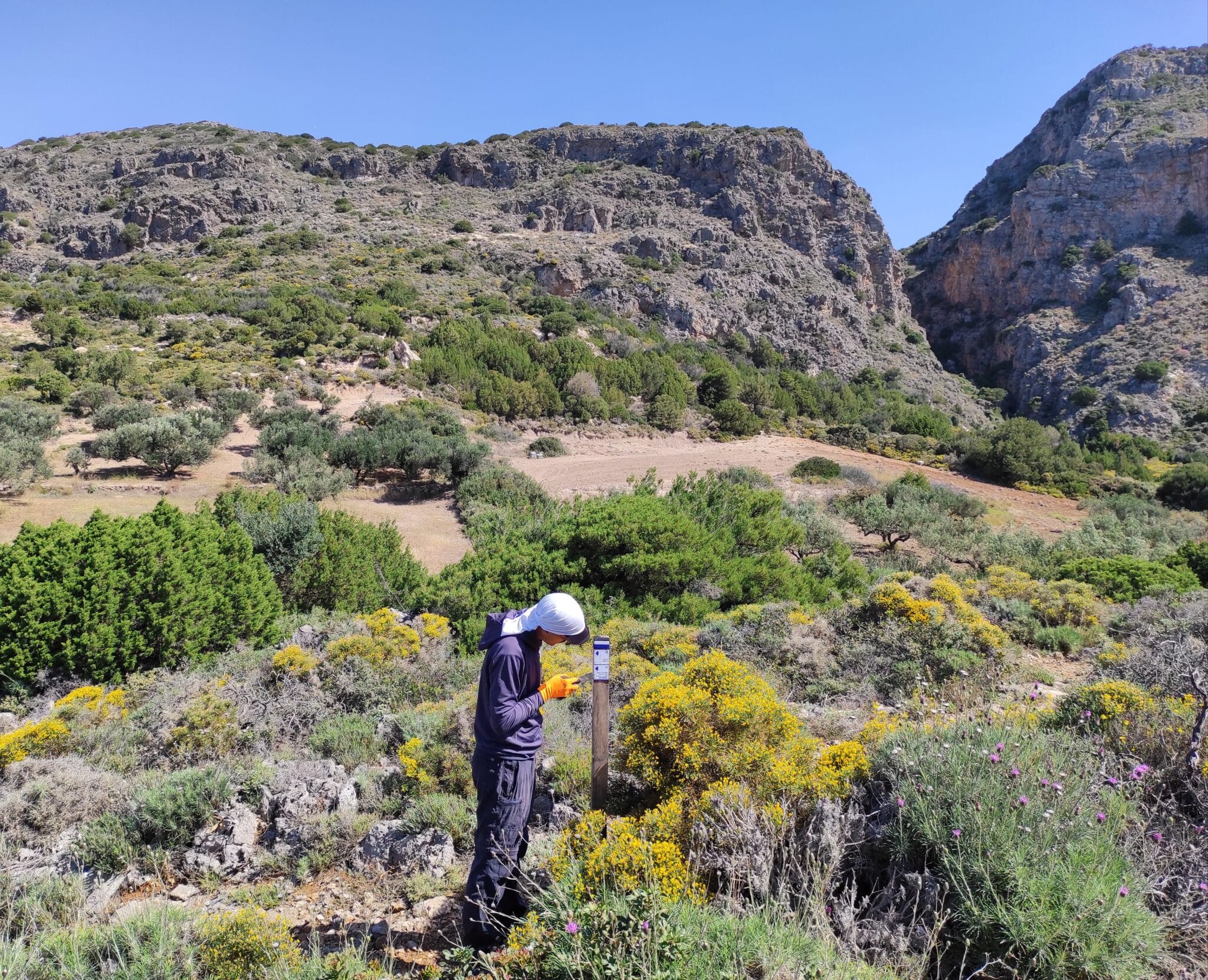
As a result of all this, the 100 kilometers of the network’s 11 routes are in the best condition they have ever been in.
The management of Kythira's trails follows the standards of the system Green Flag Trails, under which 3 routes have already been certified, with the rest to follow.
The goal is comprehensive, sustainable management, with a medium-term perspective and continuous upgrading of the network. Maintenance is based on thorough inspections and operational efficiency.
This initiative is the result of exemplary cooperation between KIPA, local associations, businesses, residents, private citizens, volunteers, and other organizations, and would not have been possible without the contribution of all those who have adopted entire routes or sections thereof and, of course, the Friends of KIPA.
We would like to express our heartfelt thanks to all those who are constantly by our side in our efforts to maintain the network: the Potamos Cultural Association, Portokalia of Karava, the Pyrgos House, the Fos and Choros, Drakakis Tours, the Paths of Greece and all the private individuals who contributed to the project.
For those of you who wish to contribute to KIPA’s work, here is the bank account information:
NATIONAL BANK OF GREECE (NBG)
IBAN: GR38011038000000 38029603032
Also, if you are interested in volunteering or adopting sections or entire trails, with a view to the comprehensive maintenance and upgrade of the network for the year 2022, please contact us.
Together, we can make Kythira an island that respects, cares for, and makes the most of its heritage.
MORE INFORMATION & LINKS
Kythira Foundation for Culture & Development (KIPA): Since 2006, the Kythira Foundation has been promoting the cultural and natural heritage of Kythira, while contributing to the sustainable development and quality of life of the local community through educational activities, events, scientific conferences, and the restoration of traditional trails, among other things. For more information: Website / Facebook / Instagram
Kythera Trails: The Kythera Trails is the official trail network of Kythira, with 11 routes with a total length of 100 kilometers. Our vision is to preserve and enrich the island’s natural and cultural heritage, contributing to the well-being of the local community. Visit us: Facebook / Instagram / Web
The program is supported and implemented by theKythira Foundation for Culture and Development (K.I.P.A.) in collaboration with theMunicipality of Kythira & Antikythira, theCommittee for Domestic Property of Kythira & Antikythira, and theMediterranean Institute for Nature and Man (MedINA).