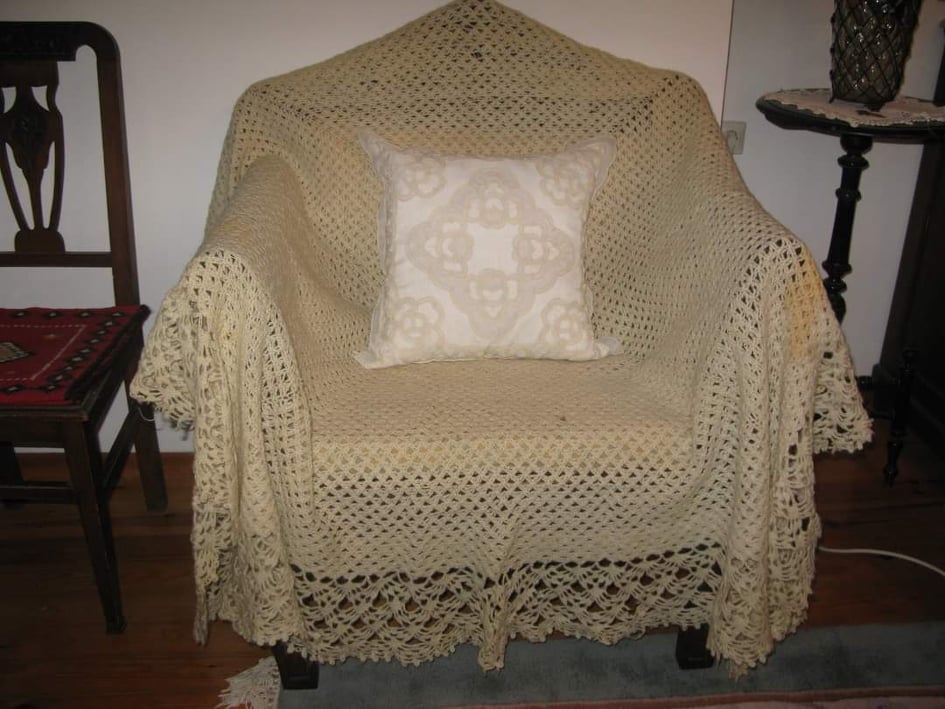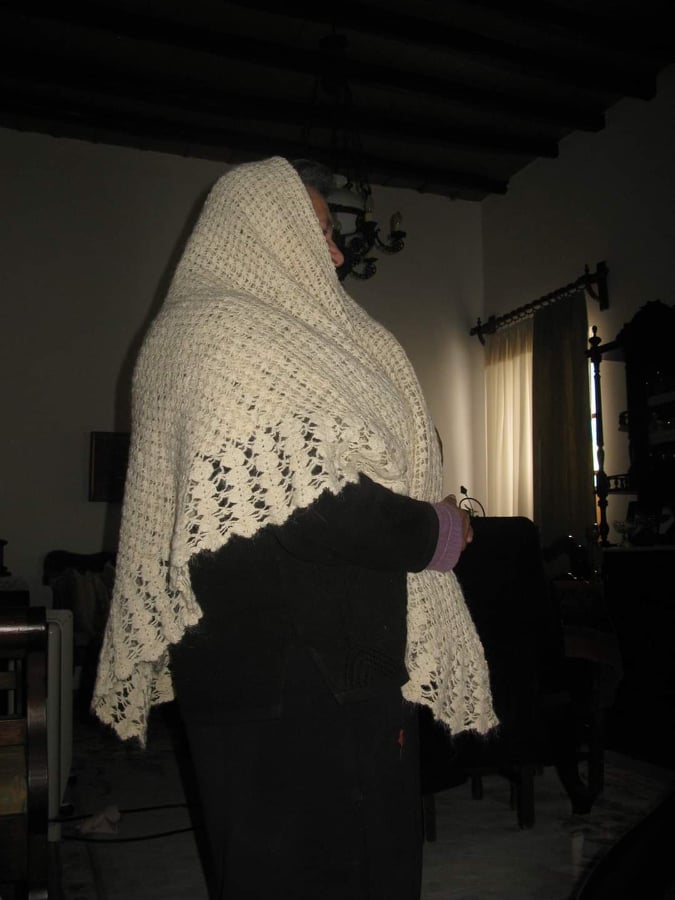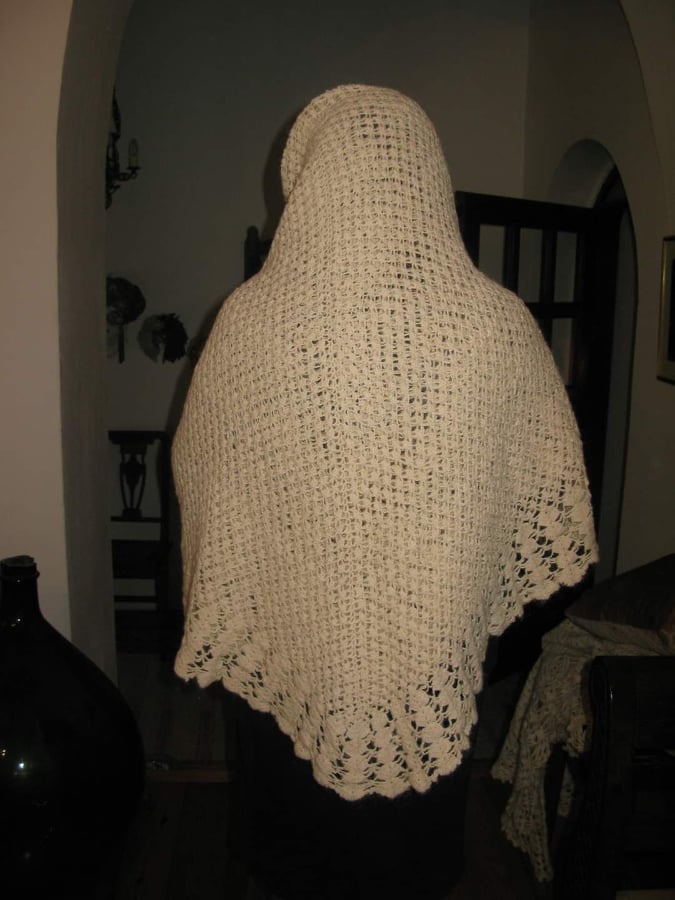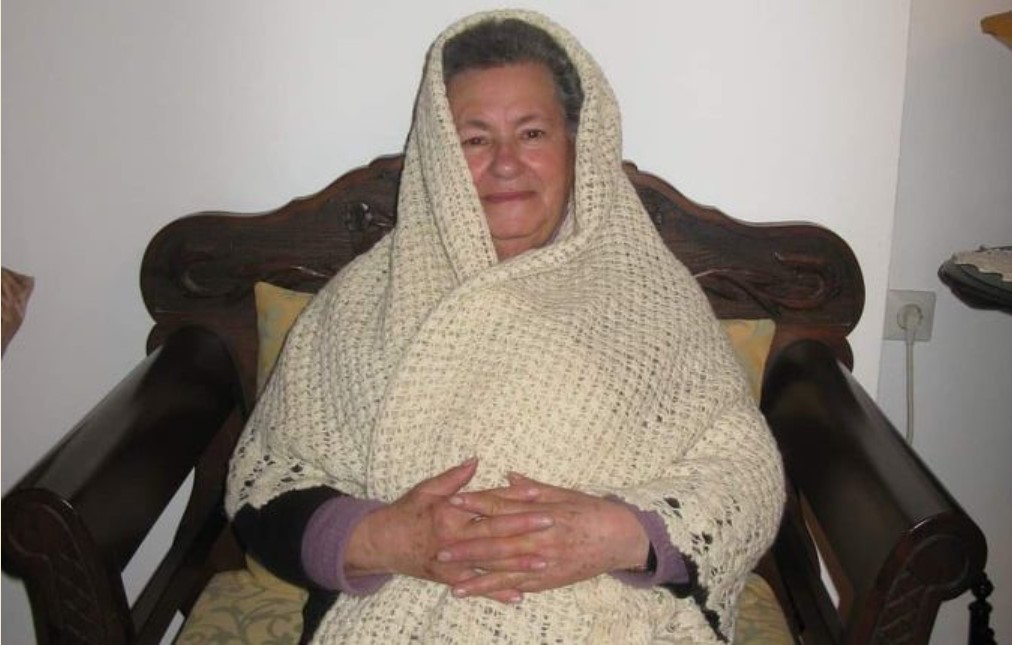
In the old days, a woman's coat was for city women. The peasant women in the Kythera had the boxing them and their Woolly an indispensable complement to the traditional costume in the era of the sword. The boxas and woollens, which are kept today in Tsirigotika houses with great care and respect in the trunks of our grandmothers, are made of sheep's wool, knitted with the crochet. There are wonderful pieces that are more than 150 years old. The boxer was 4-cornered and was thrown on the back folded triangularly, while the wool was long and worn on the head or neck.
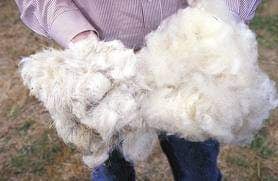
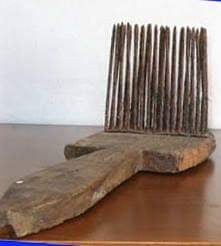
To make these small works of art with a lot of effort by the agile hands of the women of the time, the following process was needed. First, they had to shear the sheep. The amount of wool in a sheep was called bokari. Then the bokaris had to be washed at a certain temperature. Washing required great care, because if the water was hot, the hair would not dry and would be ruined. When the washed reels were dry, it was time for the washing to begin. Scratch with handcuffs. The scratchy wool was called anfalilo and the choicest part of the shorn wool, the finest, the foam, was called Surmia. Then, the scratched wool with the rocket and the spindle was made into yarn and the yarn was made into a ball and used on the crochet hook or loom to knit or weave the family's warmest clothes and bedding. Wool was usually made from surmias, while boxing was made from an anaphase wool not so fine. On cold winter nights the women would «box themselves» to go to the dispatch. There were also small boks that children wrapped up to take to school.
(Dedicated to Gregoria Veneri-Harou who respectfully guarded the labour of her great-grandmothers and in the Eleni Lourantou Karampini who was photographed with a box).