Marasmius Fries, 1838
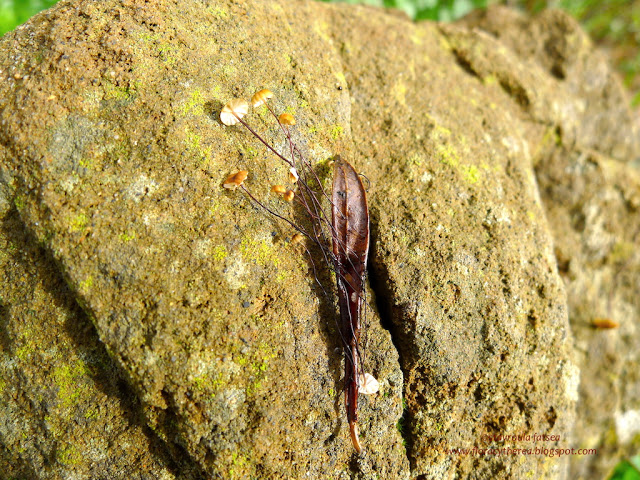
The genus includes about 500 species of mushrooms, some of which are edible, e.g. Μarasmius oreades. Because of their tiny size most species go unnoticed and one has to try hard to discover their magnificent beauty. Fortunately technology helps us in this as with the capabilities of modern cameras anyone can admire the details of these amazing creatures.
The mushrooms of the genus have an exceptional characteristic to which they owe their name. In dry weather they wither, in a sense “die” for a while, (see the article on the "dry weather"). about: The Biology of Resurrection: Life After Death in Fungi, by SG Saupe) and as soon as the moisture levels rise they regain their original form, they come back to life. This feature, in English, marcescence, led the Fries in the classification we use to date. The name of the genus is derived from the Greek word for wasting.
Despite their tiny size, they play an important role in forest ecosystems by helping to decompose dead plant matter and convert it into useful nutrients. They appear fragile and delicate but in reality, they are hardy creatures that can withstand extreme conditions, as I describe above.
Identification of the different species is quite difficult and often requires microscopic examination. Moreover, as with many other fungal species, serious questions of changes in classification are raised following the revolution in recent years in identification by DNA.
In Kythera, I have so far encountered three different species in various locations. I was particularly impressed by the amazing Marasmius corbariensis (Roum.) Singer, which I found in a grove in the centre of the island.