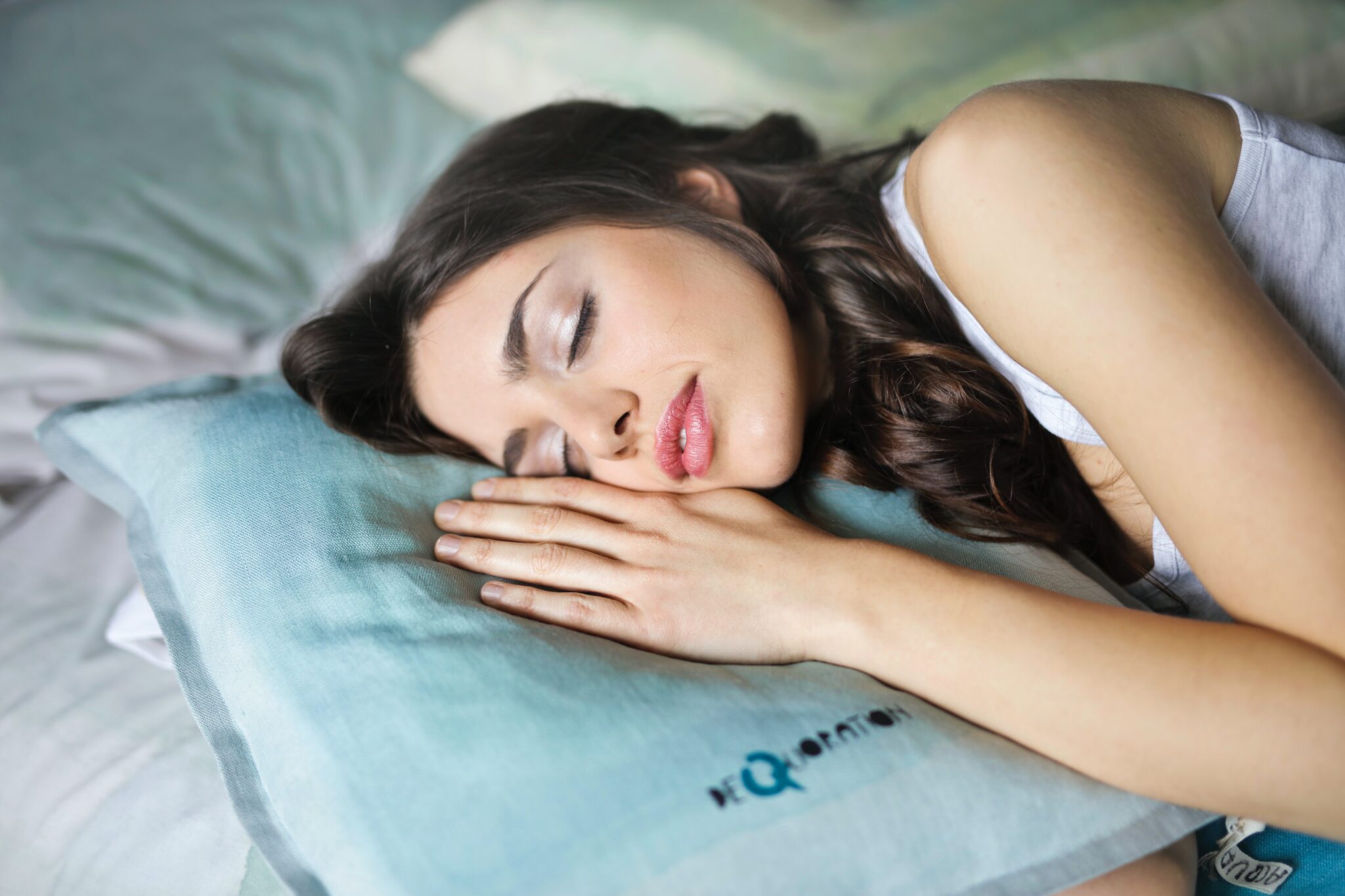
How generous and willing to help others someone feels depends on how well they sleep at night, according to American scientists. A new study links altruism and generosity to the quantity and quality of sleep at both the individual and societal levels. In other words, if a society sleeps less and less at night, it gradually becomes more self-centered, according to the new research.
In developed countries, more than half of people report that they do not get enough sleep during the week. Lack of sleep has been linked to an increased risk of cardiovascular disease, depression, diabetes, hypertension, and premature death in general. To this list we should probably now add a lack of generosity, not only on the part of individuals but of entire countries.
Researchers at the University of California-Berkeley, led by neuroscientist Dr. Eti Ben-Simon and psychology professor Matthew Walker, director of the Center for Human Sleep Science and author of the international bestseller “Why We Sleep,” published their findings in the biology journal “PLoS Biology.” Through three different experiments, they showed that people are more reluctant to help others (from holding the elevator door open for someone else to volunteering for a social program) when they have had a night of poor and insufficient sleep.
The participants were also divided into two groups, one that slept well (eight hours) and one that experienced sleep deprivation. The brains of all individuals were studied using functional magnetic resonance imaging (fMRI) and, after a night of insomnia, showed reduced activity in the cognitive area associated with empathy, altruism, and more generally the so-called “social brain.”.
The trend toward reduced generosity was also confirmed on a mass scale when researchers found that after the established annual time change in the US, the amounts of charitable and other donations made by approximately three million people showed a decrease of approximately 10% when the time was moved forward by one hour (resulting in less sleep).
As many societies have been experiencing an “epidemic” of insomnia for years, the study shows that this may also have an impact on the degree of altruism that permeates them. “Helping others is a fundamental characteristic of humanity. New research shows that lack of sleep not only harms a person's health, but also undermines social interactions between people, undermining the very fabric of human society. How we function as a social species—and we are a social species—seems to depend significantly on how much we sleep,” Walker said. “Even when people lose just one hour of sleep, there is a clear blow to our innate human kindness and our motivation to help those in need,” he added.
A previous study by the same researchers found that sleep deprivation pushes people into greater social isolation, while also increasing feelings of loneliness. In fact, according to Walker, when sleep-deprived people interact with others, they tend to spread their loneliness like a virus to those around them.
As he said, “looking at the big picture, we begin to see that sleep deprivation results in a rather antisocial and, in terms of helpfulness, antisocial person, something with multiple consequences for how we live together as a social species. The realization that the quantity and quality of sleep affects an entire society, due to the weakening of altruistic behavior, may shed more light on the current state of our society.”.
Ben Simon emphasized that “promoting sleep rather than blaming those who sleep enough can tangibly strengthen our daily social bonds. It is time for society to abandon the idea that sleep is unnecessary or a waste of time and, without guilt, start sleeping as much as we need.”.