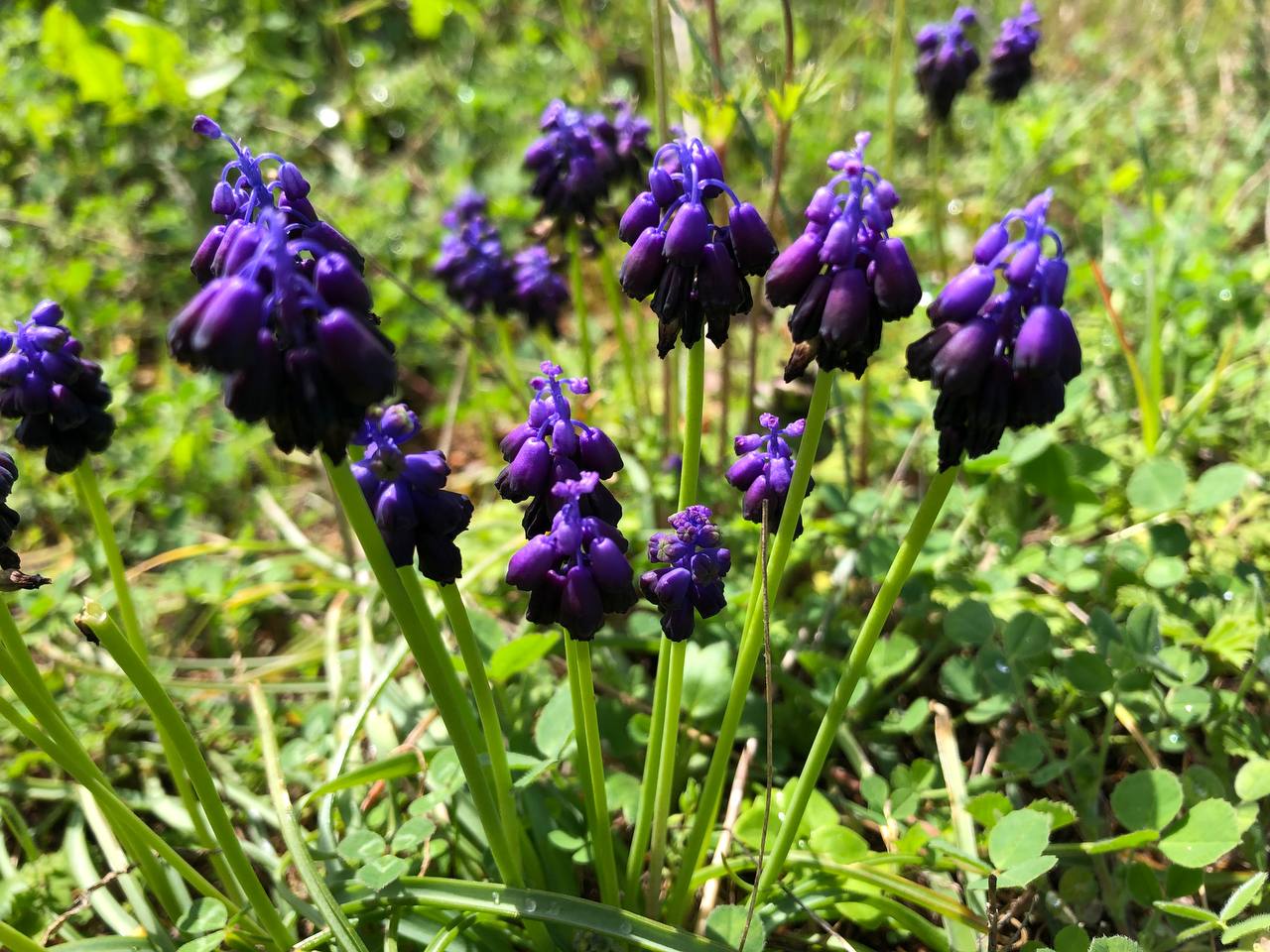
In Kythera and not only, the popular name «kalogeria» refers to various species of the genus Muscari and related generations (such as Bellevalia), due to the characteristic shape and dark colouring of the inflorescence. It is possible that other names were used depending on the area, but in the south of the island of Kythera the name «kalogeria» was used by the older inhabitants to refer to the species Muscari commutatum (wild kalogeria), Bellevalia dubia and Muscari comosum (tame moths). The young flowering plants were collected and eaten as a boiled salad. Some even drank the dark-coloured juice. (Oral testimony from Mrs. Calliope from Paleopolis) Of the third species Muscari comosum they also used the bulb as I have described in a previous article. https://floracytherea.blogspot.com/search?q=leopoldia
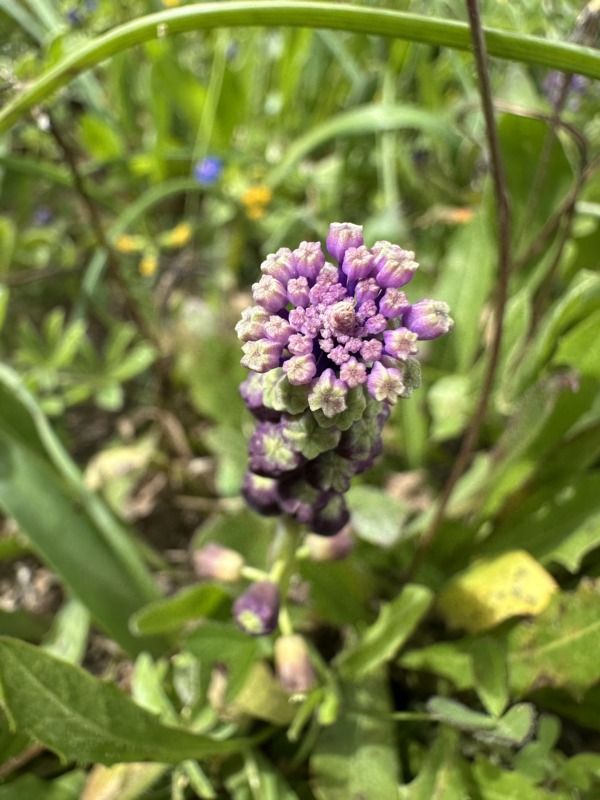
The confusion arising from the popular name «kalogeria» is a typical example of the situation that prevailed in botany before the establishment of scientific nomenclature.In traditional society, the naming of plants was based on external characteristics, uses or symbolism. Thus, the name «kalogeria» is probably related to the dark colour of the flowers or the shape of the inflorescence, which resembles a monk. However, this poetic and empirical approach, although culturally valuable, could not ensure accuracy. The same name could be used by different communities for different species, while the same species could bear multiple names.
The need for a stable and universally accepted system of nomenclature led, in the 18th century, to the radical breakthrough brought about by Carl Linnaeus. With the introduction of the binomial system, each plant was given a unique scientific name consisting of two parts: the genus name and the specific epithet. Thus, the ambiguity of popular names was replaced by a clear and internationally understood language.
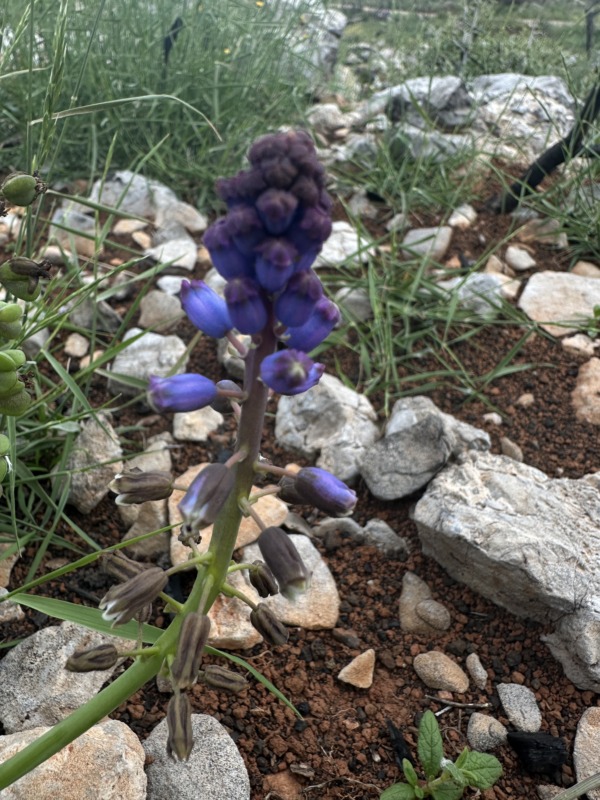
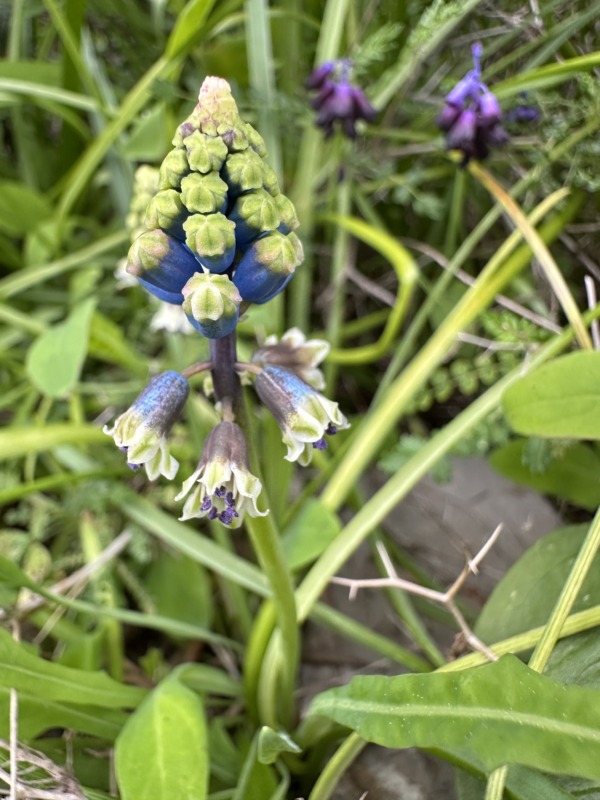
In the case of the «callaria», the binomial system allows us to distinguish precisely whether we are referring to species of the genus Muscari or to a relative of the genus Bellevalia, which in the past were often confused, even at the scientific level, as some of them were originally placed in the same genus. This clear distinction is crucial not only for botanical classification, but also for ecology, pharmacology and biodiversity conservation.
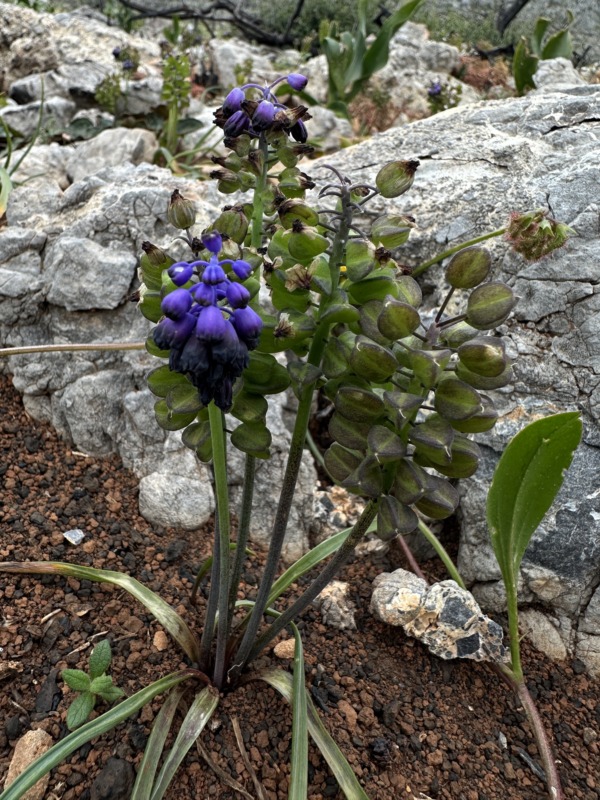
Despite scientific progress, folk names still survive and are still used, maintaining a living link with local knowledge and cultural tradition. However, the case of the «kalogers» is a clear reminder of why scientific nomenclature has been essential: without it, communication about the natural world would remain unclear, and knowledge would be difficult to transmit.