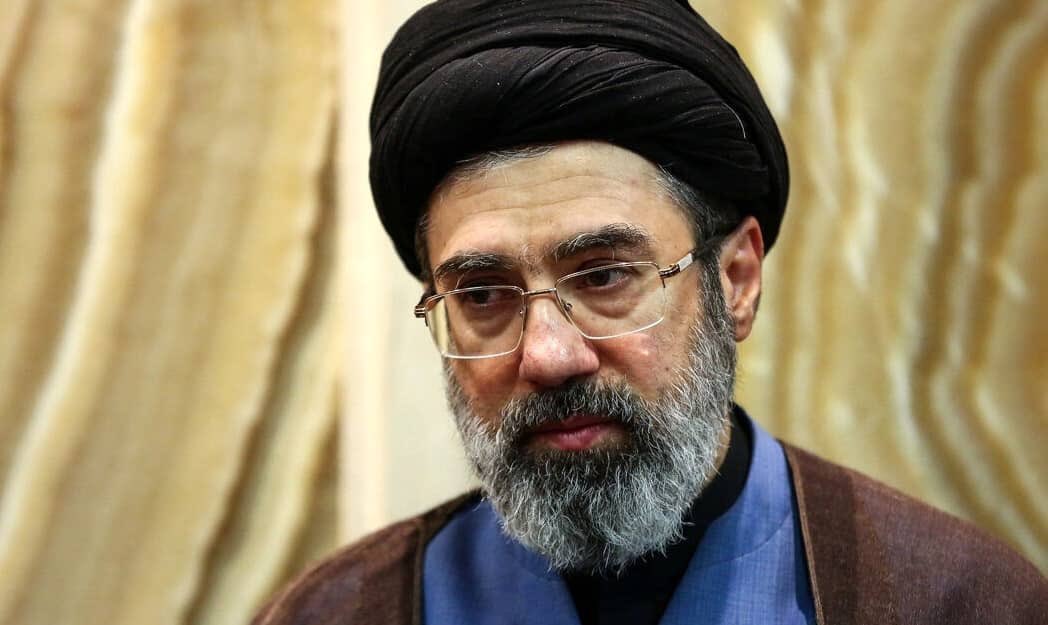
According to information reported by Iran International, citing a correspondent, the selection of Mojtaba Khamenei by the Assembly of Experts was not without opposition, as it was reportedly carried out «under pressure from the Revolutionary Guards Guards» (IRGC).
The context of the election and the blow to the Com
The decision of the 88-member Assembly of Experts, the body of clerics responsible for choosing the leader, comes at a moment of extreme tension. Earlier on Tuesday, Israel had launched a strike on the building in the holy city of Qom where the Assembly was due to meet to elect the successor to Ali Khamenei, who was killed at the start of the US-Israeli attacks.
Iranian media were quick to clarify that the members of the Assembly were not inside the building at the time of the bombing and that the announcement of the new leader would be made soon, as it was.
The profile of Mojtaba Khamenei
Mojtaba Khamenei is considered a representative of Iran's hardline conservative camp, following his father's political line.
- He has publicly supported the violent repression of the representatives of the regime within the country.
- He's an advocate of a a dynamic and aggressive policy against the external enemies of the Islamic Republic.
It should be noted that in 2019, the United States had imposed sanctions on Mojtaba Khamenei on the grounds that, although he did not hold an official government post, he essentially «represented» the Supreme Leader on key issues.
Constitutional provisions and analysts' concerns
Under the Iranian Constitution, the Supreme Leader must be chosen by the Assembly of Experts, which is composed of clerics elected every eight years. However, in practice, only those clerics who are considered to be fully loyal to the regime of the Islamic Republic are eligible to stand for election.
Observers and analysts point out that Mojtaba Khamenei's rise to power could be perceived as hereditary transfer of power. This development is considered ironic, as it is strongly reminiscent of the monarchy model (of the Shah) that was overthrown by the 1979 Islamic Revolution.
Moreover, questions are raised about his religious legitimacy, as, according to the traditional criteria of the Shiite clergy, Mojtaba Khamenei is not considered a cleric high enough to hold the position of Supreme Leader.