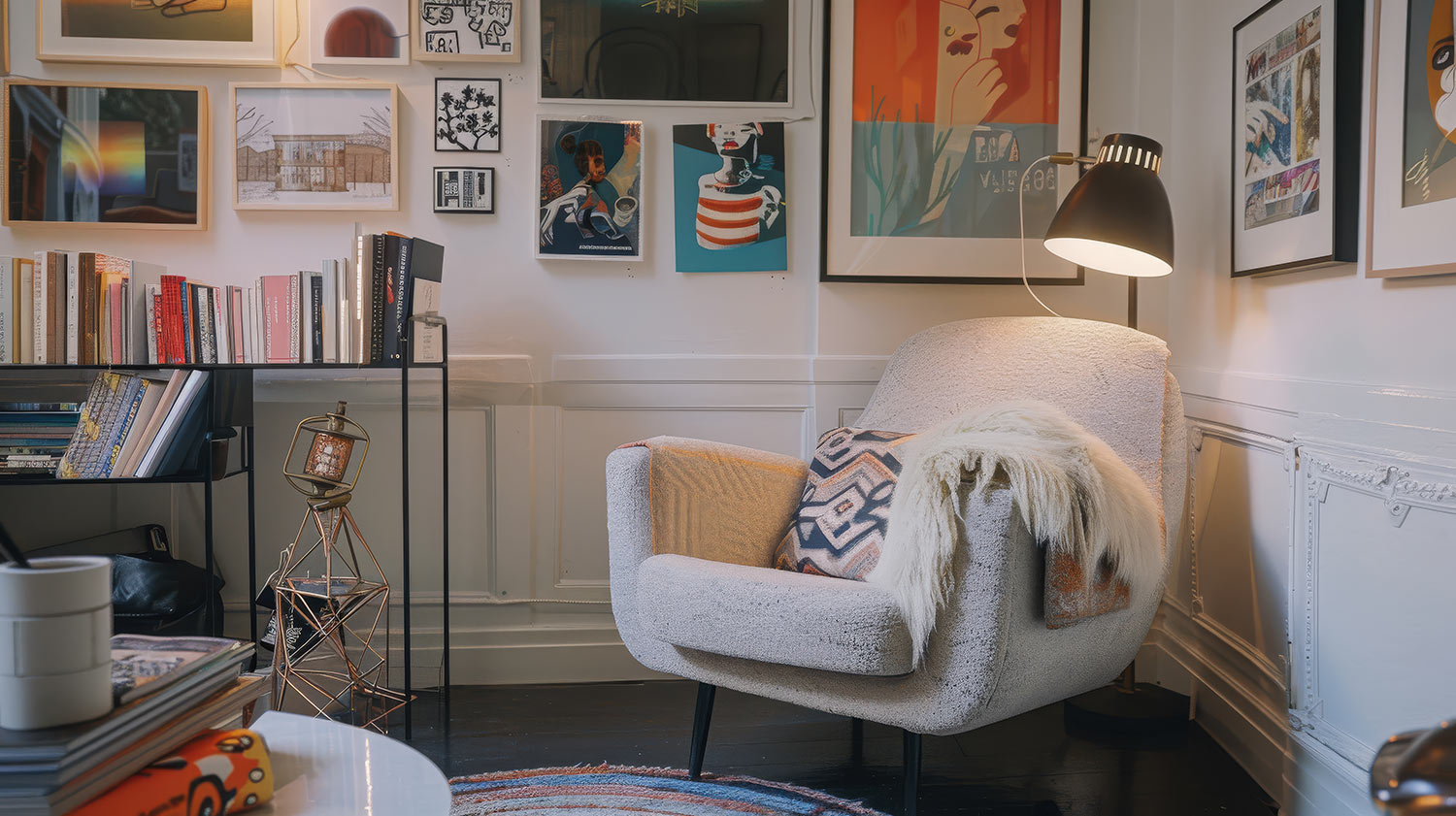
Art in a home is like a breath of fresh air that brings the space to life. It is not merely a decorative element, but rather the personal signature of the people who live there. Regardless of whether the home is minimalist or more cozy and boho, whether it is a modern apartment in the city or a country house by the sea, art can add character, create atmosphere, and transform everyday life into an experience.
The Energy Created by Art
Choosing and placing artwork is a process that involves not only taste, but also the energy we want the space to convey. Some pieces act as anchors of calm, while others are bursts of color that bring movement and dynamism. A large abstract work in a minimalist living room balances simplicity with intensity, while a warm, earthy work in a boho environment enhances the feeling of naturalness. Even in a country home, works connected to the landscape, such as watercolors, photographs, and ceramics, create a dialogue with nature.
Scale, Color, Light: The Three Pillars of Atmosphere in Art and Design
In every home, it is the atmosphere that determines the experience of the space. And atmosphere is not created by chance. It is the result of delicate balances, discerning choices, and combinations that, when made with thought, transform our relationship with the environment in which we live.
Among all the elements that influence this mood, works of art have a unique power to change the energy of a space instantly, almost in an instant. However, their impact is not only due to what they depict or their emotional charge. It is based on three fundamental parameters that determine how a work is integrated into a room, how it breathes, and how it connects with the space around it: scale, color, and light.
These three pillars function as the holy trinity of decorative harmony. If one of them is not taken into account properly, the project loses some of its power. If, However, when they balance each other out, the space gains depth, dynamism, and cohesion.
Scale: The silent geometry that defines space
Scale is perhaps the most underrated but decisive factor. It has nothing to do with what a work shows, but with how much space it occupies visually, mentally, and energetically.
A piece that is too small for a large wall “gets lost,” leaving the eye searching for something that isn't there. The surface appears empty, the room disjointed, and the energy weakened. On the other hand, an overly large work in a narrow hallway or above a small piece of furniture can create a feeling of suffocation, as if it is invading our personal space.
To choose the right scale, we need to consider three parameters:
1. The proportions of the space
The vertical and horizontal lines of a room, the height of the ceiling, the volume of the furniture, and the size of the openings create a canvas full of invisible rules. A project must move within these rules without abolishing them.
2. The position of the furniture
Above a sofa, a piece should usually be about two-thirds of its width. In the dining room, the piece should “hold” the center without visually pushing upward. In a narrow hallway, artwork should be elongated and shallower in depth so as not to take up space.
3. Viewing distance
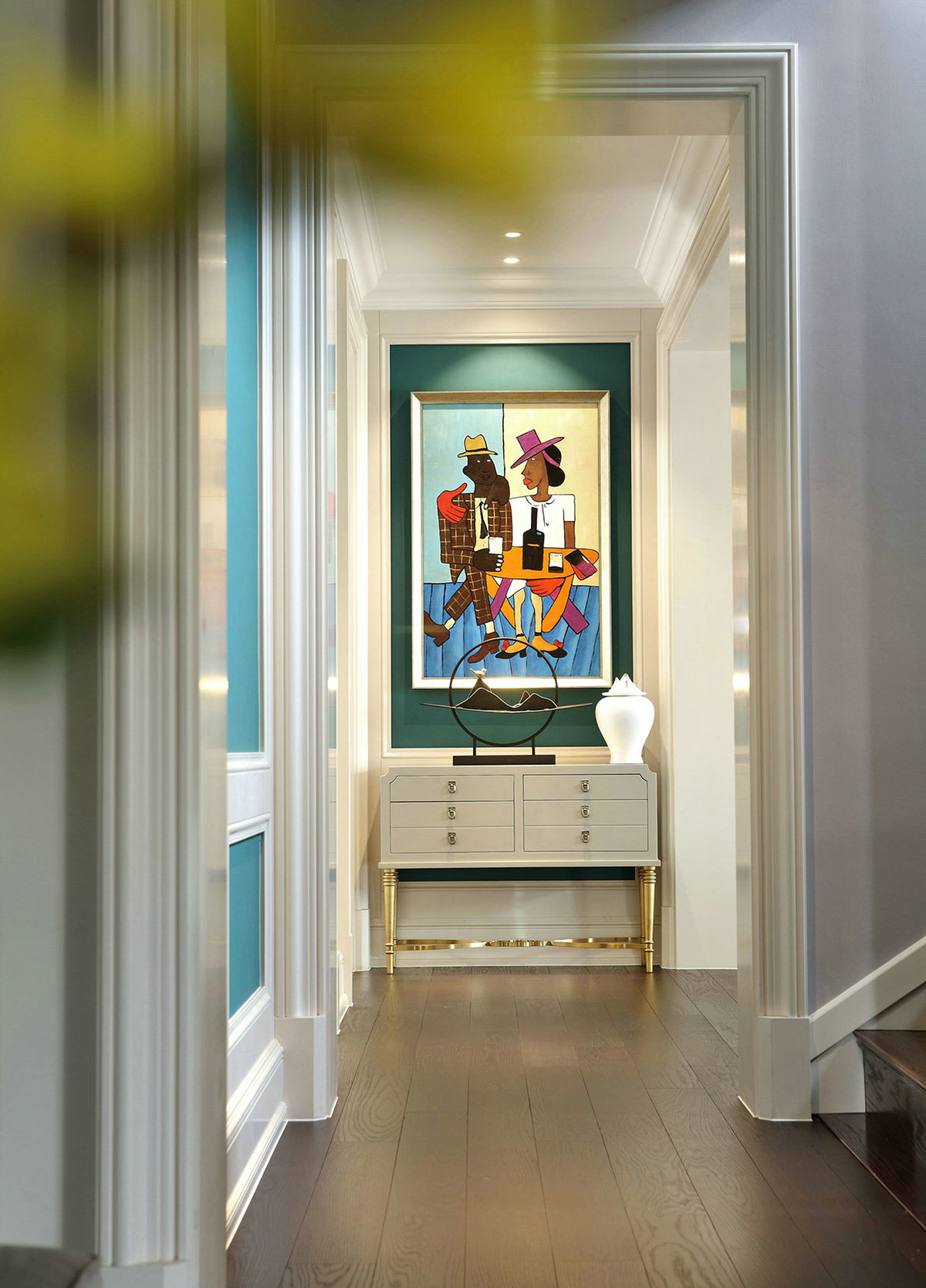
In a space where the artwork will be viewed up close (such as a hallway or entrance), it does not need to be large. In a living room, where it will be viewed from a greater distance, a large artwork stands out and energizes the space. Scale, ultimately, is a matter of balance. When the right size is found, the wall no longer looks empty, the space acquires rhythm, and the artwork becomes a visual reference point.
Color: The psychology that regulates mood
Color is the most direct language of art and, at the same time, the most powerful regulator of a space's atmosphere. It is what makes a wall appear warmer, a room calmer, or a corner brighter.
In a neutral space, art can serve as a focal point. A work with deep colors, stark contrasts, or abstract touches can add depth, identity, and movement. The eye finds a place to “rest,” and the space gains intensity.
In a space with already intense color information, art acts as a regulator. Black and white works, monochromatic compositions, or soft palettes offer a breath of fresh air amid the visual exuberance.
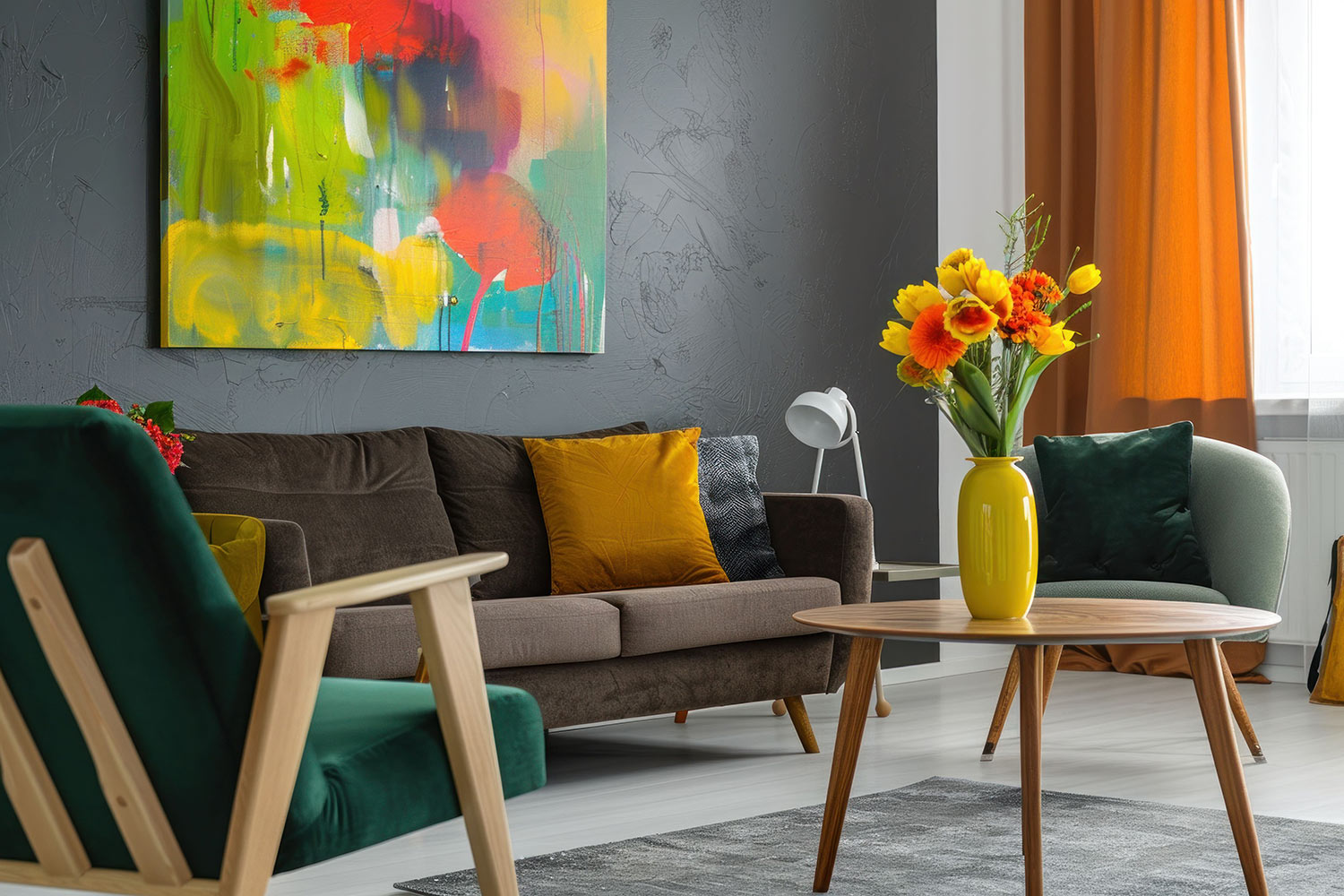
Some of the most useful color rules in decorative art are:
1. Contrast and balance
A cool piece can balance a very warm space. A bold piece can give focus to a space that lacks it.
2. Palette and materials
In natural, earthy spaces (wood, linen, beige), art in the same tone creates harmony. In more contemporary spaces with metal and glass, colors take on a shine.
3. Distribution and storytelling
Color in art is not simply a visual element, but something that can calm, energize, excite, or ground. Color, ultimately, is the way in which the work “speaks” to the space and the way in which the space responds.
Lighting: The magic that brings the work to life
Even the most beautiful artwork can lose much of its power if it is not lit properly. Lighting is what brings depth, texture, vibrancy, and layering to the colors and shadows of the artwork.
Warm white as the ideal choice
A warm white light, between 2700K and 3000K, is the safest and most aesthetically pleasing choice. It highlights the colors without altering them, gives the work a natural look, and enhances the overall atmosphere of the space.
The correct angle of spotlights
The most appropriate lighting angle is 30 degrees. At this angle, shadows from the frame or glass are avoided and the light falls on the work in a way that makes it appear three-dimensional without glare.
Natural light and protection
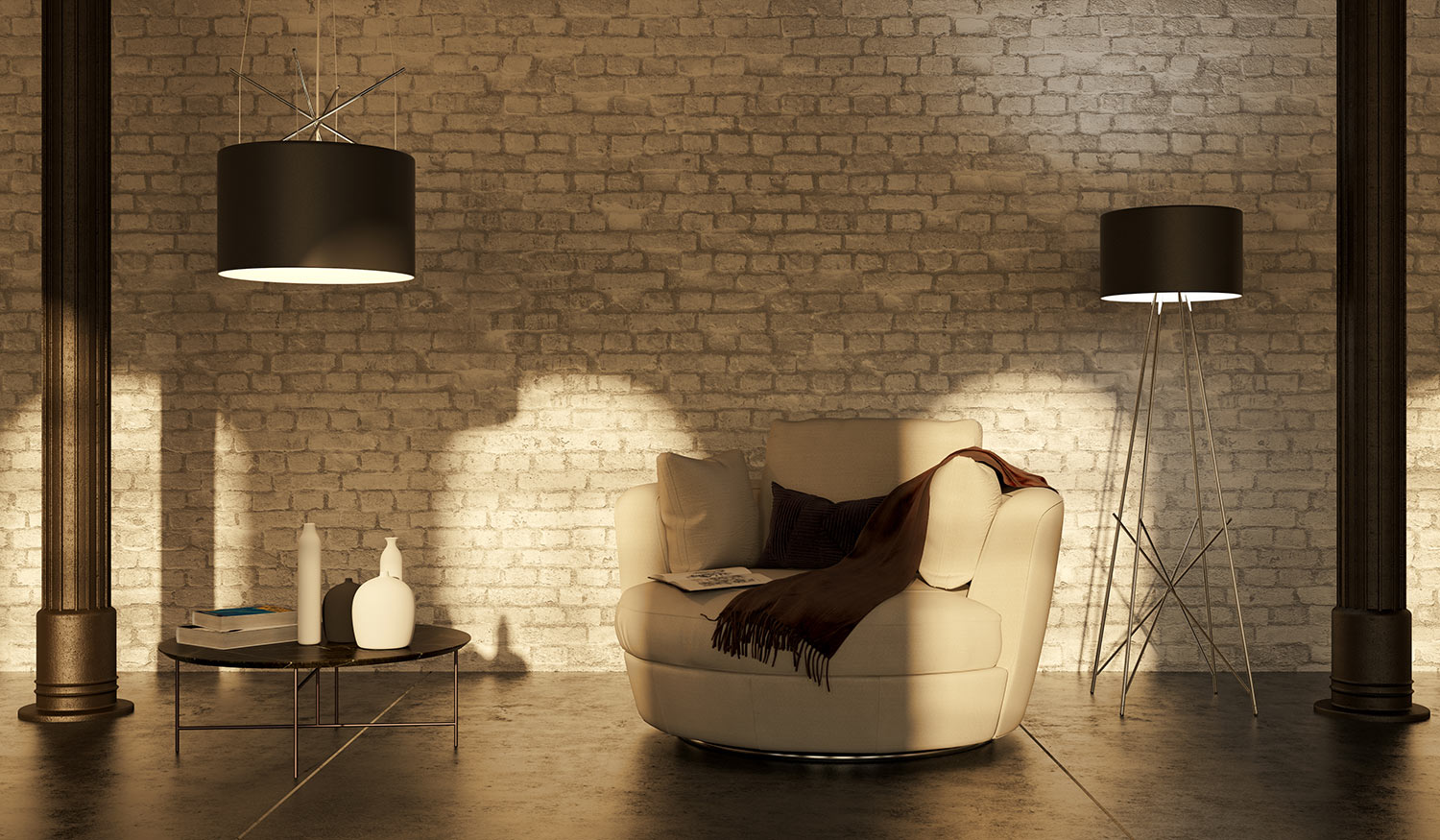
Natural light is both a friend and foe. In spaces with large windows, lofts, or south-facing homes, care must be taken with sensitive pigments, watercolors, and papers that may fade. UV filter curtains or proper placement away from direct sunlight will protect your art for years to come.
Integrating lighting into architecture
In new constructions, lighting for projects can be designed from the outset:
Built-in rails, walls with niche lighting, or spotlights integrated into the ceiling give the project a permanent place of honor within the space.
The Technical Side: When Construction Supports Art
The installation of the works is not simply an aesthetic choice, as it also has practical technical requirements.
- Walls must be properly prepared: ideally with smooth paint, MDF or wood paneling that allows for secure nailing.
- Heavy projects require strong supports, safety screws, or a rail system that can support heavy loads.
- In new constructions, integrated lighting can be provided for works or special niches that accommodate paintings and sculptures as architectural elements.
- In lofts and homes with exposed concrete, special drill bits and plugs are often required for safe mounting.
These details ensure that the project will stand securely and with the visual perfection it deserves.
Art in Every Type of Residence
Art is a living tool of expression that can embrace any space, any material, and any lifestyle. The right choice and placement of artworks can function either as a channel of harmony or as a dynamic counterpoint, depending on the character of each residence.
Minimal Houses – The Power of statement
In minimalist homes, where purity, straight lines, and a simple palette prevail, art often takes center stage. Here, a large abstract or concept-based work acts as an anchor for the eye and gives substance to a space that might otherwise seem empty or overly quiet. A bold touch of color or a strong geometric composition adds energy and reflects the personality of the resident. Technically, in minimalist environments, it is important to maintain the correct distance between works and furniture so as not to “break” the purity of the surfaces.
Boho & natural homes – Art as an organic continuation of materials
Boho and natural homes are based on textures, layers, and elements of nature. In these environments, art does not stand out but rather blends in. Wooden frames, works with earthy tones, handmade techniques such as macramé, or mixed materials (clay, linen, vegetable dyes) create an organic continuity with the other elements. The scale here also allows for clusters (gallery walls) with a variety of smaller works. From a technical point of view, the works are ideally placed in areas where natural light gently embraces the texture without fading it.
Luxury residences – Art as the culmination of experience
In spaces of high aesthetics, with premium materials and architectural details, art functions almost like a jewelry box for the home: it highlights uniqueness, exudes prestige, and completes the overall experience. This is where larger works, sculptural interventions, or custom-made installations find their natural place. Lighting is crucial, often using a combination of architectural lighting and special spotlights to highlight the texture of the paint, canvas, or sculptural materials. Technically, proper lighting design takes the work to another level and prevents unwanted glare or dark spots.
Mediterranean houses – Light, white, and breath
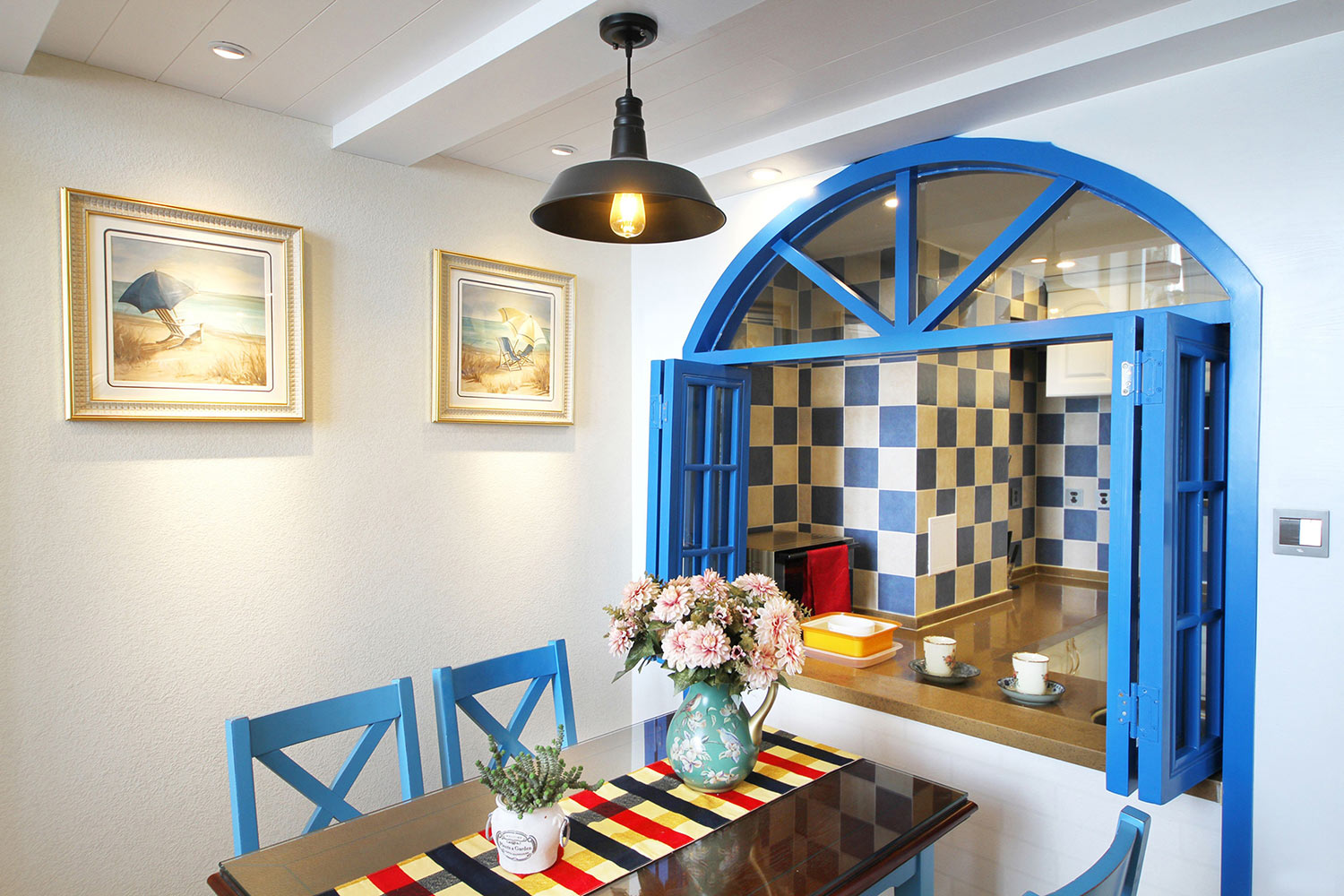
Mediterranean architecture is characterized by abundant natural light, open spaces, and white surfaces. Here, art needs to be able to “breathe” within the space. Works inspired by the sea, nature, the Greek landscape, or shades of ochre and blue blend harmoniously with the atmosphere. The technical challenge is to control exposure to intense light; works with sensitive pigments must be placed away from direct sunlight or protected with UV filters on the windows. On white walls, scale also plays a crucial role: larger works “fill” the volumes without weighing them down.
Urban & industrial lofts – The counterpoint that creates tension
In urban apartments and industrial lofts, where concrete, metal, and exposed structural elements create a raw, austere aesthetic, art provides the necessary counterpoint. Works with intense bursts of color, street art elements, or large graphic prints are a perfect match for the raw environment. The scale here can be generous: large canvases or diptychs/triptychs work very well in spaces with high ceilings. Technically, mounting on concrete walls requires appropriate anchors and load studies, especially for heavy sculptural compositions.
Country homes – The bridge between nature and interior space
In country homes, nature always takes center stage. Art comes in to reinforce this relationship: watercolors, landscapes, landscape photographs, organic materials, and textures that reflect the earth and seasonality create continuity between the inside and the outside. From a technical point of view, country homes can have more humidity, so care must be taken with the materials used in the artwork and frame (avoid MDF in damp areas; marine plywood or suitable protection is a better choice). In addition, art is often placed in areas where it frames views without competing with them.
Art as a Personal Signature
Art is the personal signature of every home—the element that gives character, depth, and atmosphere to a space. And when combined correctly with architecture, light, and materials, it can truly transform the experience of living, regardless of style.
If you would like guidance on how to incorporate art into your space in a harmonious, functional, and aesthetically pleasing way, the team at Renovation & Construction of Sotiris Efthymios' House has the technical knowledge and experience required.
With over 20 years of experience in the construction and renovation, the company can support you in both the technical details and the aesthetic choices that highlight a work of art within your home.