Every year, five million deaths worldwide are caused by a lack of physical activity, as inactive people have a 20-30% higher risk of death from any disease, says the Hellenic Pulmonary Society (HPS), on the occasion of the International Day of Physical Activity (6 April). Despite the fact that the WHO has set minimum levels of age-based physical activity, at least 1 in 4 adults worldwide do not meet them.
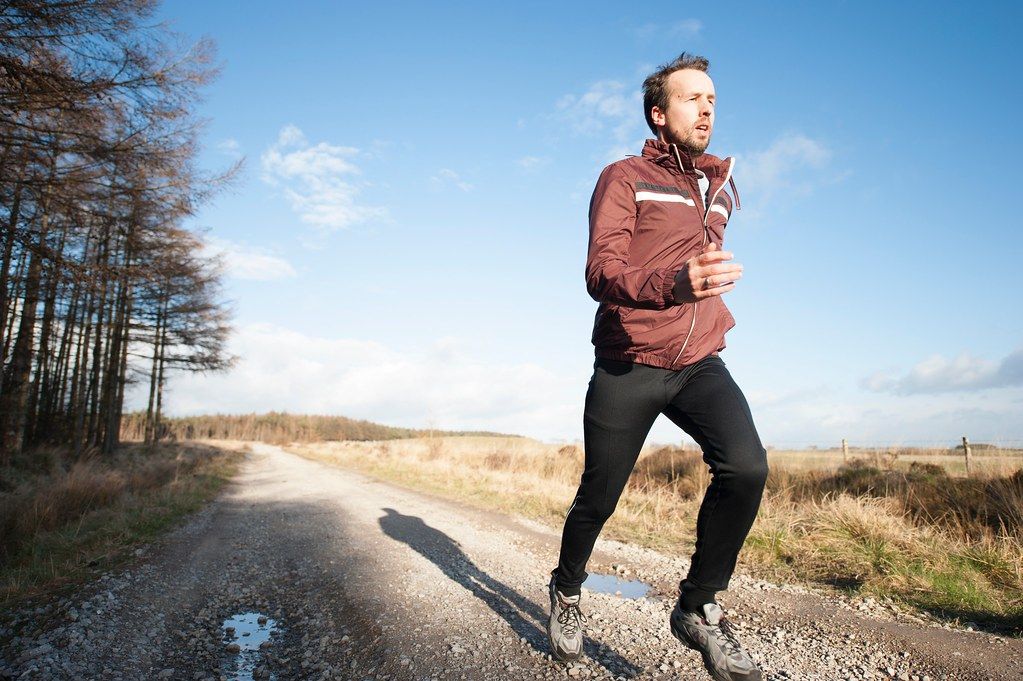
Physical activity refers to any form of movement that can be produced indoors or outdoors, at home, at work or in one's leisure time, and is divided into low, moderate and high intensity. The benefits of physical activity, particularly when it is systematic (e.g. walking, cycling, playing sports) are numerous and include improving the condition of the cardiorespiratory and musculoskeletal system, improving the functional status of the individual and controlling body weight.
According to EIA, the lack of physical activity is even more pronounced among patients with chronic respiratory diseases, as shortness of breath, muscle weakness and depression often confine the patient to the home. Last year, the COVID-19 pandemic and the necessary lockdown measures imposed to control the transmission of the virus led to even greater restrictions on physical activity, particularly among vulnerable groups, such as patients with chronic lung disease, with adverse short- and long-term health effects, the EIA says.
It stresses that physical activity, even under these special circumstances, is necessary. Of course, he adds, when it is combined with therapeutic exercise, i.e. personalised, structured and repetitive physical activity, such as that offered by a team of specialised health professionals in the context of pulmonary rehabilitation, the results are multiple, with a reduction in symptoms and exacerbations of the disease, a reduction in sick days, an increase in the capacity for self-care and, ultimately, an improvement in quality of life.
As EIA states, in most European countries pulmonary rehabilitation programmes have been integrated into the public health system and is an integral part of the therapeutic treatment of patients. “Unfortunately in Greece operate in only some public institutions and are not compensated, so that they are only available to a limited number of patients. Therefore, now, due to the negative impact of the pandemic, the strengthening of these programmes is more necessary than ever”, concludes the Scientific Group «Physiology & Pathophysiology of the Respiratory System-Pulmonary Circulation-Rehabilitation» of the EIA.