The energy and climate crisis and the need for sustainable development have already begun to change the face of Greek tourism. Large hotels, as well as small tourist establishments, are being asked to rethink their operational design, reduce their environmental footprint and invest in smart technologies and energy upgrading practices.
The gain is not just about the environment and energy efficiency. Reducing operating costs, upgrading infrastructure and attracting environmentally conscious travellers constitute a new, sustainable economic model. A model that does not depend solely on mass arrivals, but enhances the overall resilience of the tourism sector, especially in times of crisis or energy turbulence.
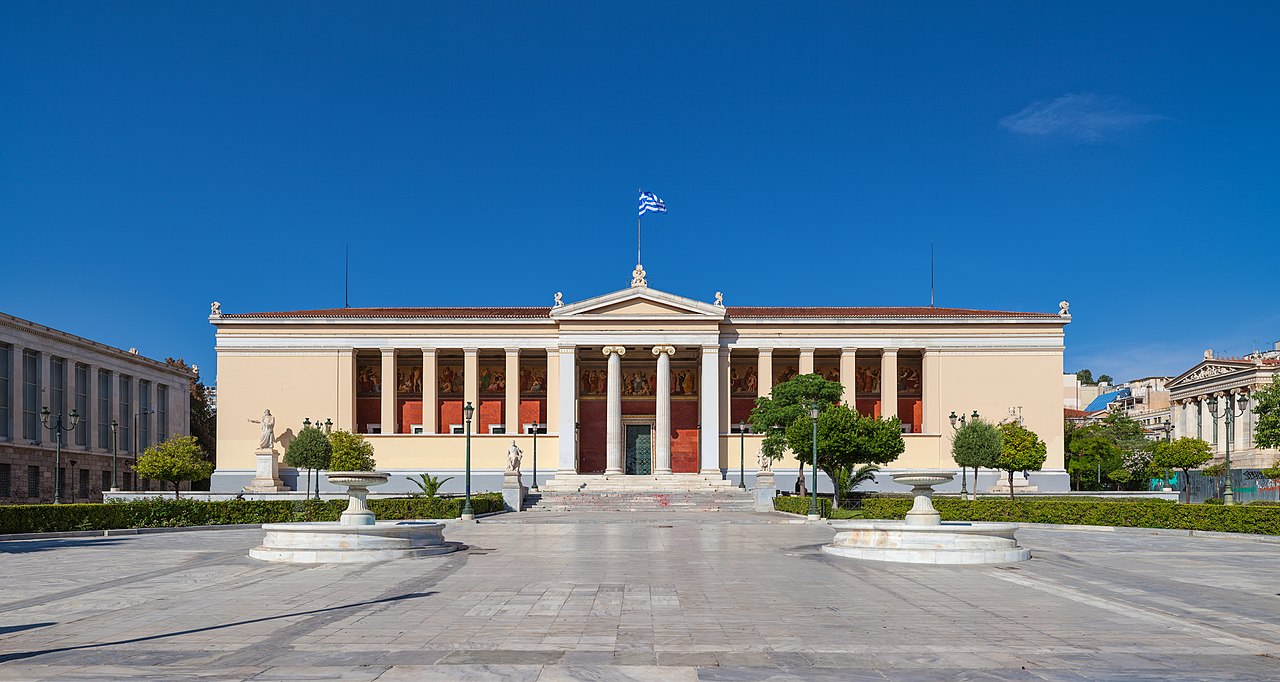
The National and Kapodistrian University of Athens and its Building Environment Research Group have an active role in this shift, as they conduct studies and analyses that highlight how existing building infrastructure can be transformed into green, efficient and economical buildings.
As explained by Dr. Vassilis Ntouros, a researcher at the National Academy of Sciences of Athens, speaking to the Athens and Macedonian News Agency, the transition to a greener tourism is not only an obligation towards the environment but also an economic opportunity. «Today, technology allows us to reduce the energy consumption in a hotel by 72% (below 120 kilowatt-hours per square meter per year, according to the passive building standard, from the 430 that is the average now). This is an impressive figure, showing how much of a difference targeted energy retrofit interventions can make, especially when they include building envelope improvements, new heating/cooling and ventilation systems and «smart» energy management. With the nominal price of a kilowatt-hour at €0.10, this means savings of around €30 per square metre per year, which is a significant amount for large units.».
«As the most recent data from scientific studies and technical bodies show, most of the carbon footprint in hotels comes from cooling and lighting, which means that this is where the first interventions should focus. In lighting, the solution is relatively simple and cost-effective: replacing light bulbs with LEDs, using motion and brightness sensors, and programming lighting can bring immediate results. However, in cooling and heating - which together account for almost 50% of an accommodation's annual energy consumption - more targeted and structural interventions are needed. Strengthening the building envelope, i.e. proper thermal insulation and avoiding thermal bridges, can dramatically reduce energy needs,» he says.
Green transition is a priority for the hotel sector
Environmental protection is becoming a priority for Greek hotels, which are investing in «green» solutions to reduce water and energy consumption and to remain competitive on an international level, according to Konstantinos Marinakos, Vice President C of POX (Panhellenic Federation of Hoteliers) and Associate Professor at the Department of Tourism Management of the University of West Attica. He notes that in 2024, total investments in the hotel sector exceeded €1 billion, with almost 20% directed to energy efficiency projects such as photovoltaic, heat pumps and ’smart« systems. However, only 32% of hotels systematically monitor water consumption and only 25% implement recycling. The climate crisis and limited natural resources, especially on islands, make sustainability an imperative. To achieve this transition more dynamically, there are European and national financial instruments and other sources of funding.
According to the Hellenic Chamber of Hotels, an important step in this direction is a new classification system for hotels based on their environmental performance, which is being designed by the Hellenic Chamber of Hotels in cooperation with the Technical Chamber of Greece and the Ministry of Tourism.
The research team of the University of Athens and the example of the Student Residence
The National and Kapodistrian University of Athens does not limit itself to academic thinking but acts, experiments and offers solutions. An excellent example is the European project ProGETonE, with Professor Margarita Niki Asimakopoulou (https://www.progetone.eu/project/), who is in charge of the scientific responsibility for the University of Athens, which aims at the radical renovation of the University's Residence. «The Hestia, like many hotels, is a building in constant operation, with high needs for hot water, air conditioning, lighting and services. Its challenges are much the same as those of a hotel: high energy consumption, the need for comfort and safety, and pressure to reduce its environmental footprint,» Ntouros stresses and explains: «With the completion of the renovation of Hestia, energy consumption will be almost zero, the building will be seismically reinforced and, in addition, the architectural upgrade will provide a space that combines functionality, beauty and social inclusion. Through initiatives such as these, the NSCA is not only providing education and research but leading change by showing how existing living spaces can be made green, safe and humane.».
«The upgrading of our building stock is a challenge for us both in the field of research and in the education of young scientists so that they can respond to one of the most important issues facing the planet, climate change», Margarita Asimakopoulou, Professor of Physics at the University of Athens, underlines. «The rational use of energy and the cultivation of environmental awareness are two essential factors. Because, especially hotels are more often renovated and modernized, while newer units that are constructed adopt good practices, in accordance with the energy consumption regulation, such as the use of photovoltaic panels. However, in tourism, the user - in this case the visitor - needs to be “trained” as he has to adapt his requirements to the carrying capacity of the destination.
Climate change creates the need for adaptation
Climate change is no longer a future prediction but a reality. For Greece's tourism product, the challenge is particularly complex, as tourism is directly dependent on climate, nature and the quality of infrastructure. «In many regions, rising temperatures and frequent heat waves can make the summer seasons unpleasant, reducing the attractiveness of traditional destinations. However, in other regions, extending the hot season can extend the tourist season and create new opportunities, especially in mountainous destinations. But as far as the classic «Sun-Sea» diptych is concerned, the situation becomes even more critical, with temperatures often exceeding 40°C, marine ecosystems and beaches threatened by rising sea levels and sea temperatures, and building infrastructure paying a high price to provide comfort and safety,» he underlines.
Many of these buildings are old hotels, mainly in the warmer regions of the country, with low energy efficiency (categories C and below), without thermal insulation, and operate at high cost and with a large environmental footprint, he notes.
The good news, as Mr.Ntouros says, is that change has already begun. According to the Ministry of Environment and Energy's annual report, energy consumption in new or radically renovated temporary accommodation buildings has been significantly reduced. In warmer areas, for example, it has dropped by almost 50%. In addition, solar energy already contributes 35% to the energy needs of these buildings, showing a clear trend towards the adoption of renewables.
«This pace, however, needs to be accelerated. We have no room for postponement. The EU's targets for emission reductions by 2030 and climate neutrality by 2050 are scientifically sound. Every year of delay increases costs, reduces the resilience of tourist areas and jeopardises the competitiveness of our country, he stresses, adding: «In this direction, financial tools offered periodically by the Ministries of Tourism and Environment, the EU, etc., offer significant support. They aim both to extend the tourist season (especially in mountainous areas) and to reduce the energy footprint of accommodation. The challenge is great, but the solution is achievable if we act now, as the most famous climate action slogan says.
Nicole Kazantzidou