by Dr. Gabriel Xanthopoulos*
Monitoring and analysis of forest fires in recent years have shown that, while the annual area burned at the national level, thanks to the strengthening of forest firefighting resources, generally remains stable or even shows a slight decrease, the number of fires exhibiting extreme behavior, which overwhelm the capacity of firefighting mechanisms and burn unchecked, causing massive destruction and loss of life, has skyrocketed. Analyses conducted to date lead to the conclusion that this is due to a combination of the effects of climate change (primarily in the form of more extreme weather events), and a significant increase in the amount and continuity of forest biomass that has occurred due to rural depopulation.
Kythira is, to a large extent, an example of a decline in the productive use of agricultural land due to the migration of a significant portion of the population to urban centers and abroad. Consequently, in recent decades, forest fires have become more intense and harder to control due to the increase in biomass. Consequently, they have gradually become one of the most significant threats to the island’s residents, their property, and their environment, as has also been the case in other parts of the country.
In an effort to address the broader problem of wildfires, over the past two decades, the government has focused on increasing the number of firefighters and ground- and air-based firefighting resources. However, this effort proved ineffective, as the average annual area burned in the country did not decrease, while the scale of the disasters increased and the annual cost more than doubled. Furthermore, the emphasis on the use of aerial resources that intervene as if «sent from heaven» has led to a decline in the efforts of local communities and firefighting forces in the area of prevention (to prevent fires from starting) and, often, in effective initial response. However, since the number of available aerial resources is necessarily limited, and since these are allocated by the Fire Department’s coordination center in Athens and depart from bases that may be far from certain areas such as Kythira, their arrival and deployment are often delayed. As a result, valuable time is lost, and due to the inefficiency of ground forces waiting for aerial support, some fires grow to massive proportions and cause enormous destruction. A prime example was the numerous, simultaneous, high-intensity fires of August 24, 2007, in the Peloponnese, Euboea, and Fthiotida, which exhausted the capacity for aerial support and escalated into catastrophic wildfires with devastating consequences and numerous human casualties.
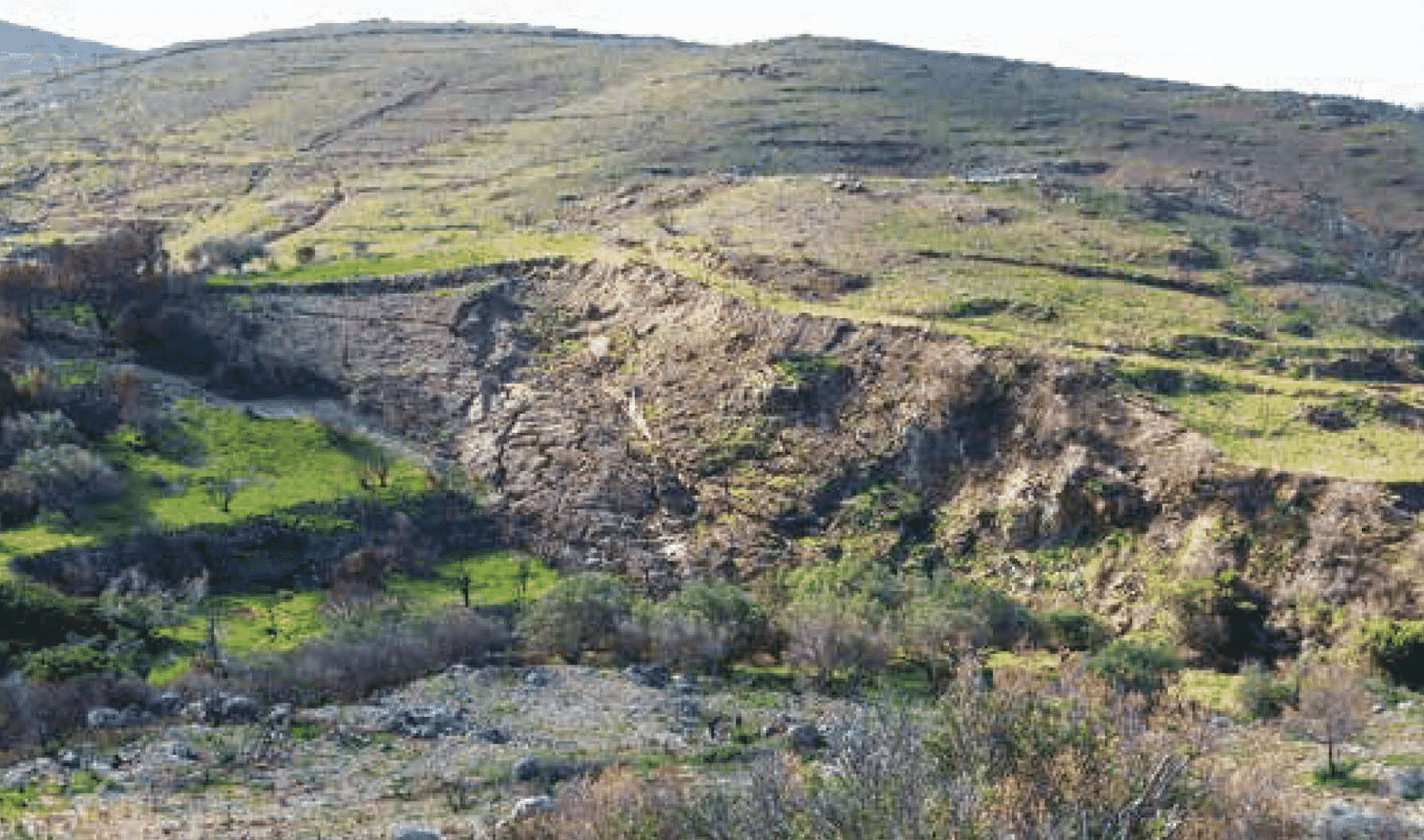
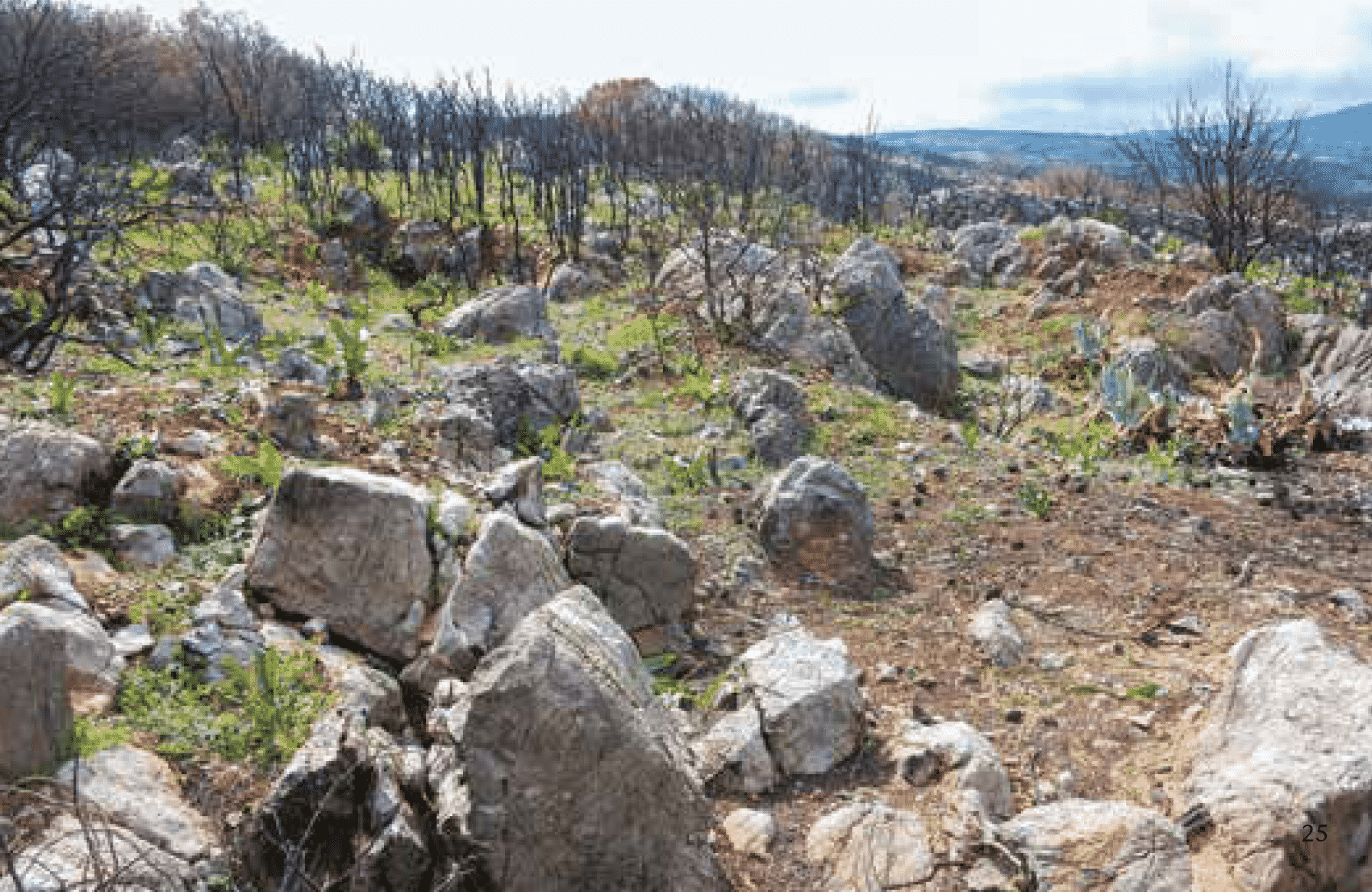
On August 4, 2017, Kythira also fell victim to these shortcomings. The inadequate response to the outbreak of the fire near the island’s hospital and the ineffective initial efforts to contain it led to the fire spreading, which plagued the island for the following days. The resulting ecological disaster is particularly significant, both in terms of direct damage and secondary effects (Figure 1), as this fire follows other relatively recent fires, a pattern that is leading to the degradation of the island’s environment and may, if it continues to recur, result in further soil degradation (Figure 2), which is equivalent to desertification. At the same time, there are negative consequences for both the island’s economy and the residents’ sense of security.
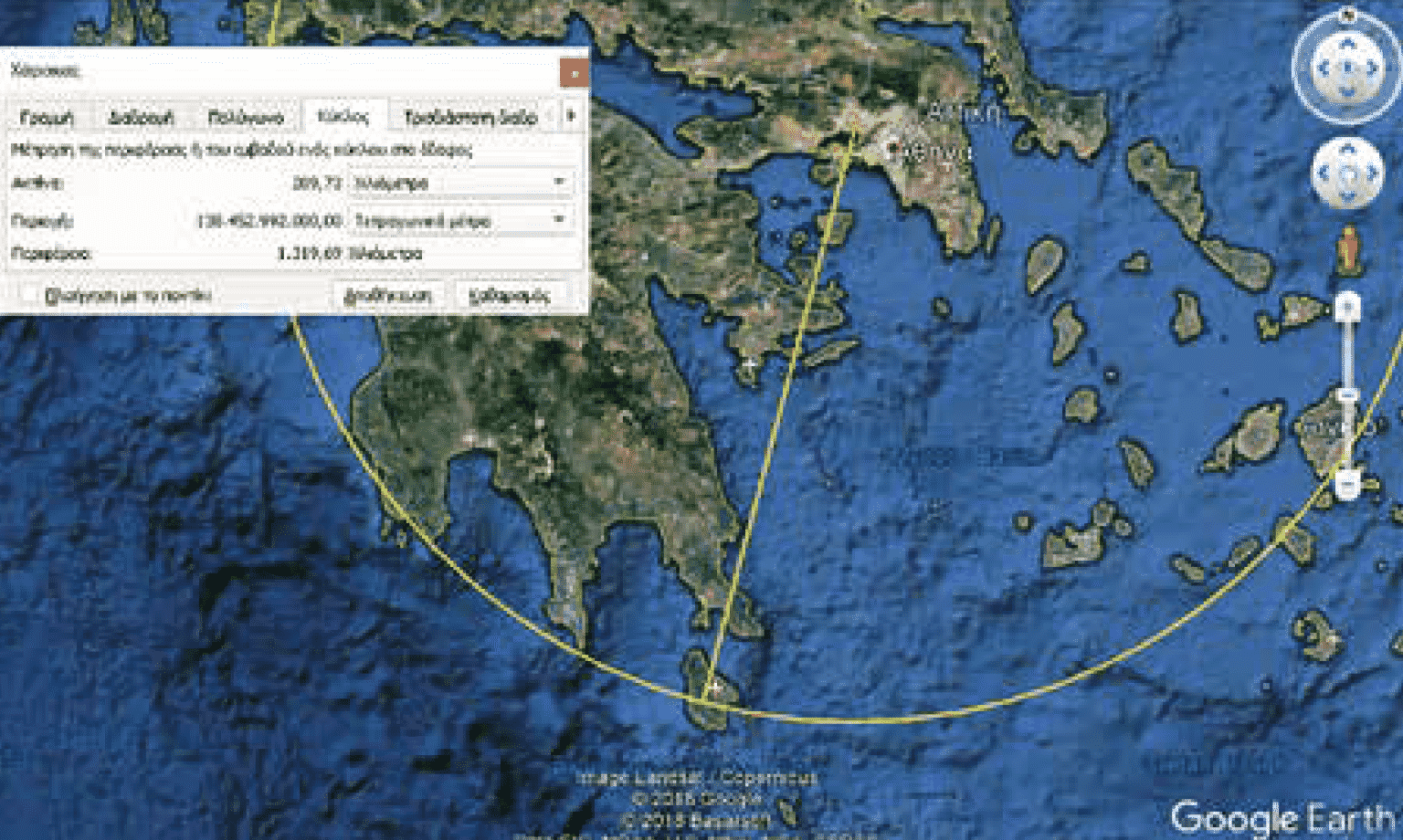
The conclusion that naturally follows from the above analysis of the situation is the need to mobilize the local population and state and municipal authorities toward the effective prevention and suppression of forest fires at the local level. The goal must be to ensure that a situation like the uncontrolled fire that burned for days on Kythira—eventually reaching the sea in many places—never happens again. For this to happen, it is necessary, first and foremost, to understand what Kythira’s distance from the Elefsina air base means in terms of the arrival time of the first aerial resources (Figure 3)—provided, of course, that they are ready for deployment at that specific moment, since, given the decline in their availability in recent years, this is not guaranteed. Therefore, a serious effort is required to ensure an immediate and effective response at the local level. This must begin with proper fire prevention planning, appropriate, well-targeted preventive measures and actions stemming from that plan, a qualitative upgrade of local firefighting forces, and the participation of all residents.
The successive fires have contributed significantly
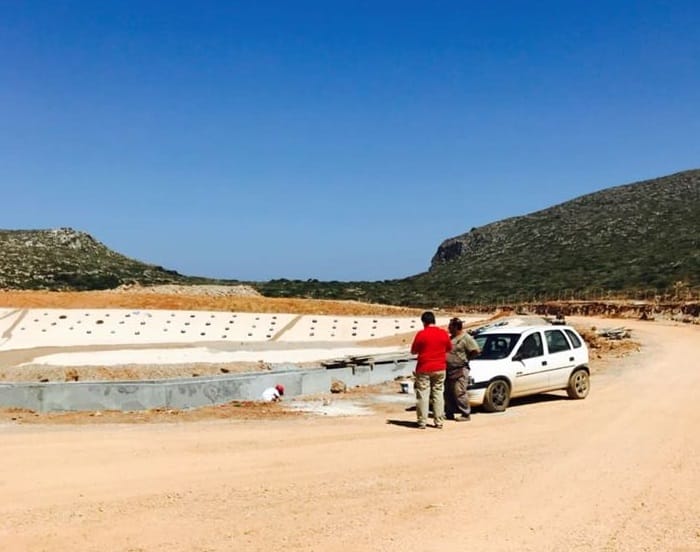
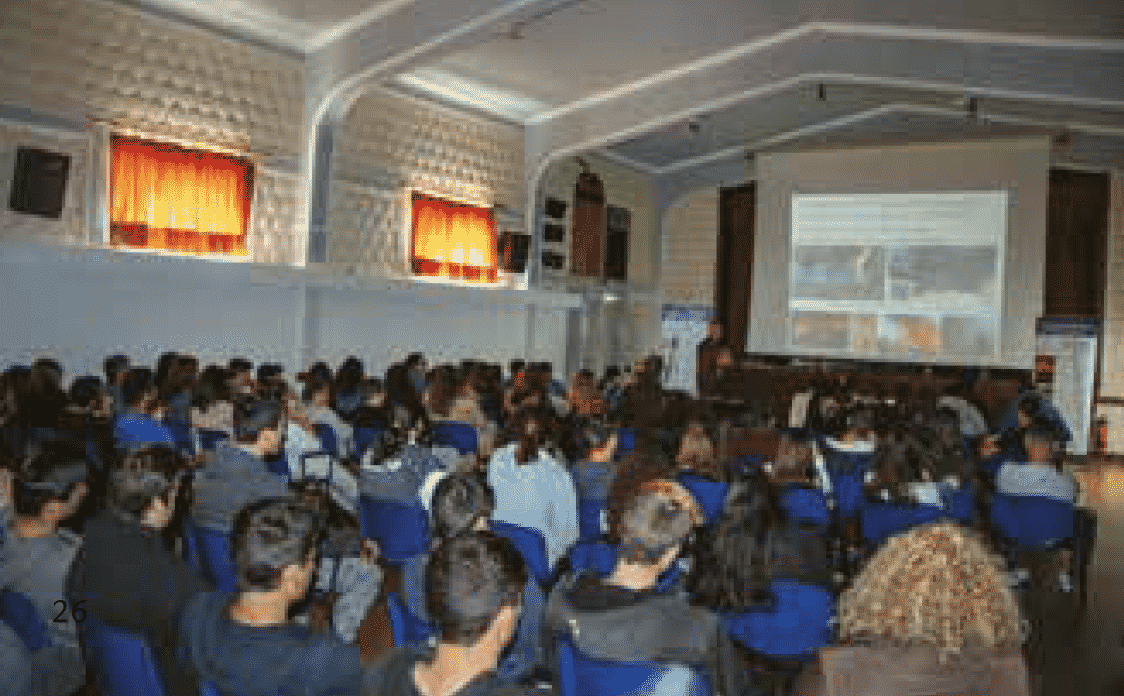
Fire safety planning must include an objective threat analysis that identifies the sources of problems and their distribution in space and time, proposing infrastructure projects, actions, and other solutions (or solution scenarios)—ranging from ideal to absolutely essential—always within the bounds of what is feasible. The measures may relate to vegetation (reforestation, fuel management, etc.), firebreaks (where and when needed), access, water supply for fire trucks and helicopters, addressing potential fire sources, etc. In addition, potential fire spread scenarios can be developed along with corresponding response plans. However, the central focus should always be on strengthening local-level preparedness, which can largely be achieved by raising awareness and mobilizing the local population. For example, the information session on forest fires held for high school students on March 15, 2018, by the EEPF (Figure 4), which received a particularly positive response, reinforces the hope that much can be achieved in this direction—and indeed at low cost, with a significant multiplier effect and an immediate positive impact.
* Dr. Gabriel Xanthopoulos is a forester and a researcher at the Institute of Mediterranean Forest Ecosystems and Forest Products Technology of the Hellenic Agricultural Organization «DEMETRA»
This article by Dr. Gabriel Xanthopoulos is a reprint from the magazine *I FYSI* published by the Hellenic Society for the Protection of Nature (Issue 160), which features a special section on: «The journey to the rebirth of Kythira»