The Venetian-ruled Ionian Islands (1386-1797) had already been familiar with Italian opera since 17ο century when melodrama developed on the Italian peninsula as a misinterpretation of ancient Greek theater.
Italian opera and contemporary melodrama on the theme of 1821
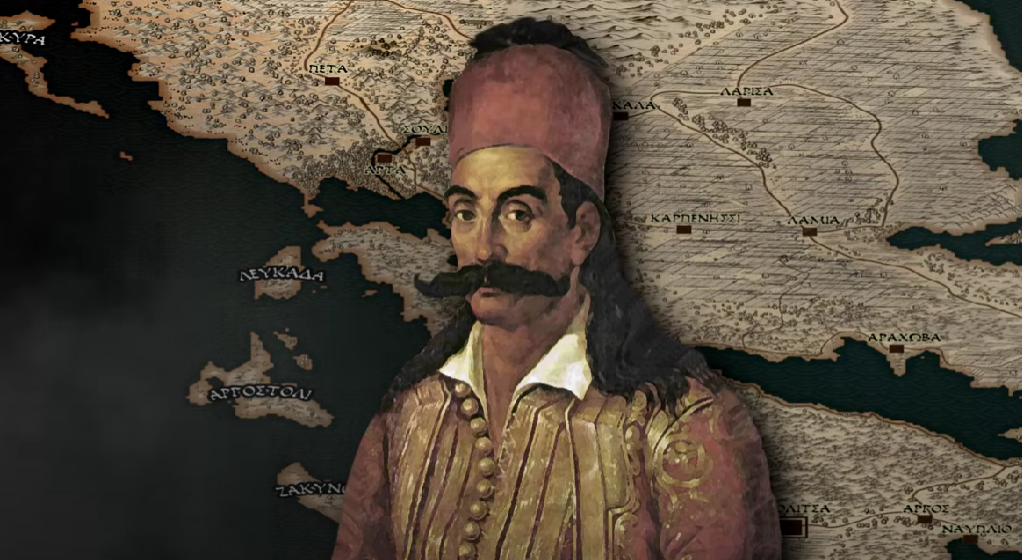
The 19os century, when Greece was the first European nation state, Greek melodrama marked the heyday of bourgeois culture in the new Balkan country. Operas often feature characters from the Revolution, as the Ionian composers from Kefalonia, Nikolaos Tzannis-Metaxas and the Zakynthians Frangiskos Domeneginis and Pavlos Karrer composed lyrical works about Markos Botsaris, who became a hero. In particular, Frangiskos Domeneginis wrote the music for «Markos Botsaris» with a libretto by Georgios Lagouidar and the opera «Despo, the Heroine of Souli» with a libretto by Ioulis Typaldos. Inspired by the entire spectrum of the Struggle, Pavlos Karrer wrote four operas about 1821, drawing on classicism. «Markos Botsaris», «Mrs. Frosini», «Despo» and «Marathon Salamis» from 1861 to 1888.
Verdi is the progenitor of romantic Italian melodrama, which appeared on the newly established Greek stage during the period of late Romanticism in Europe at the new Athens Conservatory (1871), along with French operetta, a theatrical lyrical genre that was also contemporary. The newly formed aristocracy of Greece, aligning itself with the Ionian School in the former Venetian possessions, inaugurated neoclassical theaters of high standards, for example in Patras and Syros, because it rose socially when it glorified imported European models of entertainment, opera and operetta, leaving folk songs for the people in the Greek countryside.
The Greek countryside, lacking similar musical and dramatic institutions, with few opportunities to listen to European music in a few capitals with performances in Athens, in Thessaloniki, Patras, the Ionian Islands, Syros, and Alexandroupoli, but mainly through bands throughout the 19th century.ο century, the countryside is captured in folk songs, which at that time become more popular and less aristocratic and urban.
The main collections of folk songs in the Ionian Islands
The first collector of folk songs was Theodoros Manousis from Vienna, just before the revolution in 1814. Unfortunately, he never published his collection, even later as a professor of history at the University of Athens.
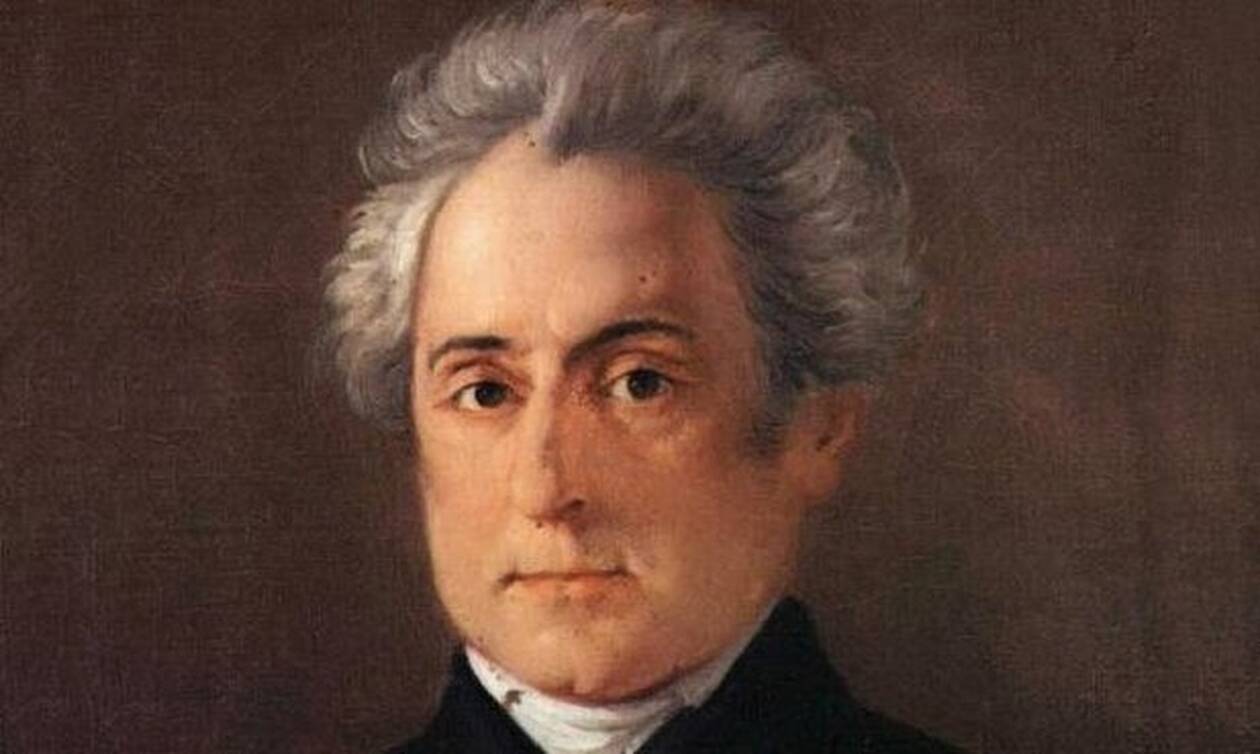
Folk songs, as part of the oral Greek tradition and social history of Greece, were first recorded by foreign scholars during the years of the national uprising. In France, Claude Fauriel's «Chants populaires de la Grèce moderne» (1824-1825) is the first modern study in two volumes based on the Heptanese, and in the second volume, the Dionysios Solomos publishes all Hymn to Freedom, while in Italy Niccolò Tommaseo wrote «Canti Populari Greci» (1842) and in Germany Arnoldus Passow wrote «Popularia Carmina Greciae Recentioris» (1860).
The people of the Ionian Islands played an active role in spreading folk songs in the 19th century, as evidenced by the original Parisian edition of Fauriel, as well as the two editions by Antonis Manousos of Corfu, «Tragoudia ethnika synagmena kai diasaphnimena» (National Songs Collected and Clarified) (1850) and Spyridon Zambelios« »Folk Songs of Greece« (1852) in Corfu, before the union of the Ionian Islands with the Greek mainland. Rich collections are the two complete editions by the folklore scholar Nikolaos Politis, »Selections from the Songs of the Greek People« (1914), and the philologist Giorgos Ioannou, »Our Folk Songs« (1965). Yannis Apostolakis and Alexis Politis dealt with klephtic songs, while the Chania philologist Eratosthenes Kapsomenos dealt with historical folk songs in Crete in »Contemporary Cretan Historical Songs" (1979).
Today, French philologist and professor at the Sorbonne Guy Saunier is the one who studies folk songs in all aspects of human life, with corresponding publications on folk songs of exile and dirges, as well as comprehensive publications on Greek folk songs, both in France and Greece, in collaboration with the Academy of Athens, «Greek Folk Songs: A Collection of Studies 1968-2000» (2001).
By Georgia Tsatsani
Author of the article:

Georgia Tsatsani is a philologist and comparative literature scholar.