From the start of the explosive rise in energy prices, which dragged up all production costs, to the culmination of the crisis with Russia's invasion of Ukraine, the world is realizing, violently and painfully, the value of food production.
Primary production is a process that begins many months or even years before the final product reaches the consumer's table. If this process is interrupted at any stage, then the final product will not reach the table.
Farmers, livestock breeders, fishermen, and processors face a series of challenges before their products leave their hands for the next stage, which brings them closer to the consumer.
A thorough understanding of the entire process and the stages of production, with the specific characteristics of each, is a prerequisite for creating conditions of food safety.
The producer, the person who strives, works, and struggles, is the key factor in this process.
In the chain from production to consumption of food, all links are connected by the bond of survival: if farmers do not have the means to produce, then consumers will not be fed. Conversely, if the consumer does not have the purchasing power to consume, the farmer will not be able to survive. In this relationship, the state needs to act as a regulator and ensure that the chain is not broken. As long as societies tolerate the prevalence of advocates of inequality and those who reject the regulatory role of the state, crises of access to food and even hunger will intensify.
Because while food production on planet Earth is sufficient to feed its population, the big problem is the unequal distribution between rich and poor.
The goal of every democratic, progressive, and socialist government is to eliminate these social inequalities that cause food insecurity and hunger and to ensure the prosperity of society as a whole.
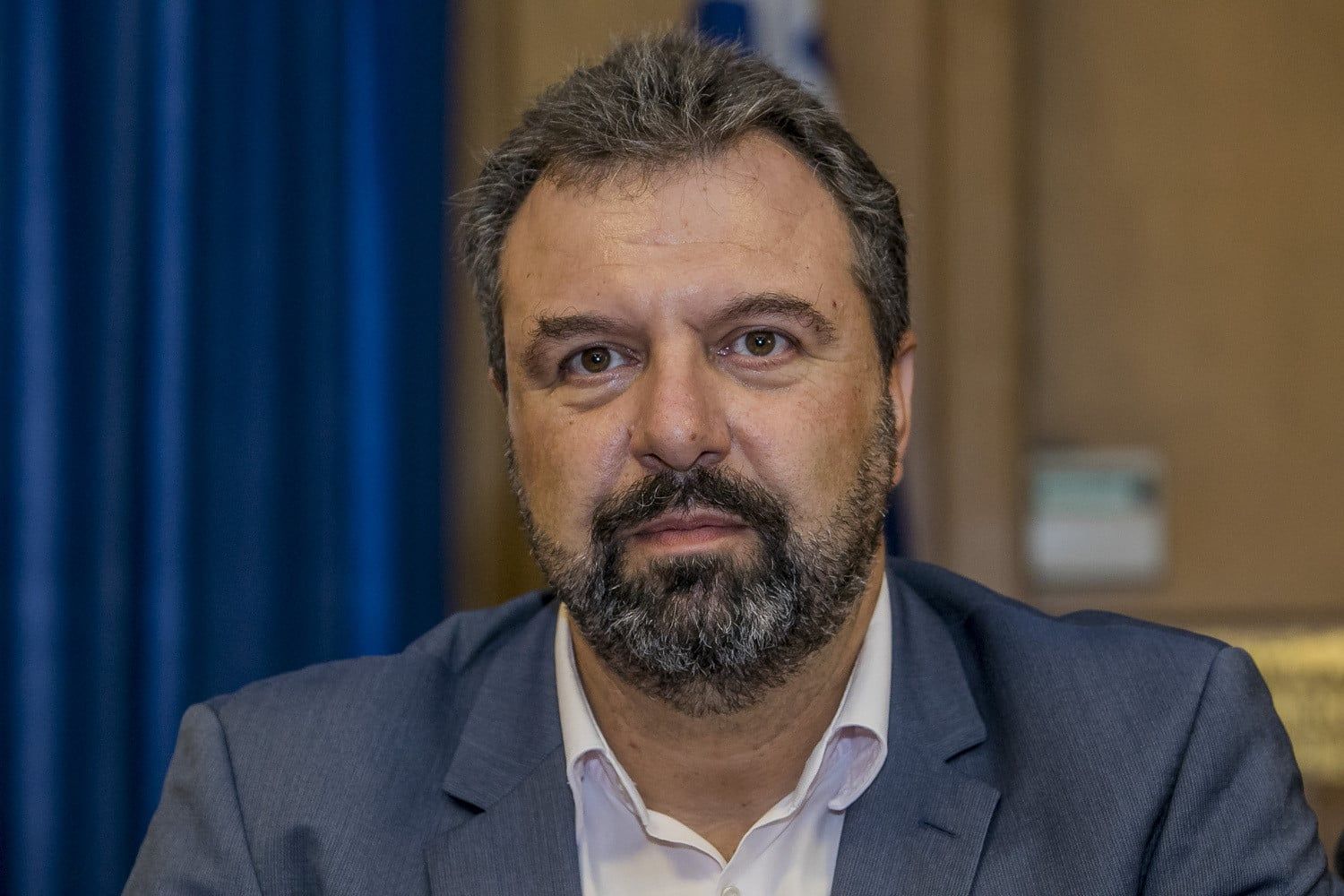
*Stavros Arachovitis is a member of parliament and head of the Agricultural Development Department of the SYRIZA party.
From the print edition of newspaper “The Manifesto”