Western media continue to cultivate a climate of war hysteria listing «analyses and news» that blatantly distort many things – not only what happened and is happening in Ukraine. Many have championed the «right of peoples to choose their alliance» as an integral part of «human freedom.» Selectively, of course: the right applies only to those who choose the «right» alliance. Consider what Syria, which had and continues to have official economic and military cooperation with Russia, is experiencing: it has been embroiled in a bloody civil war for years with no end in sight...
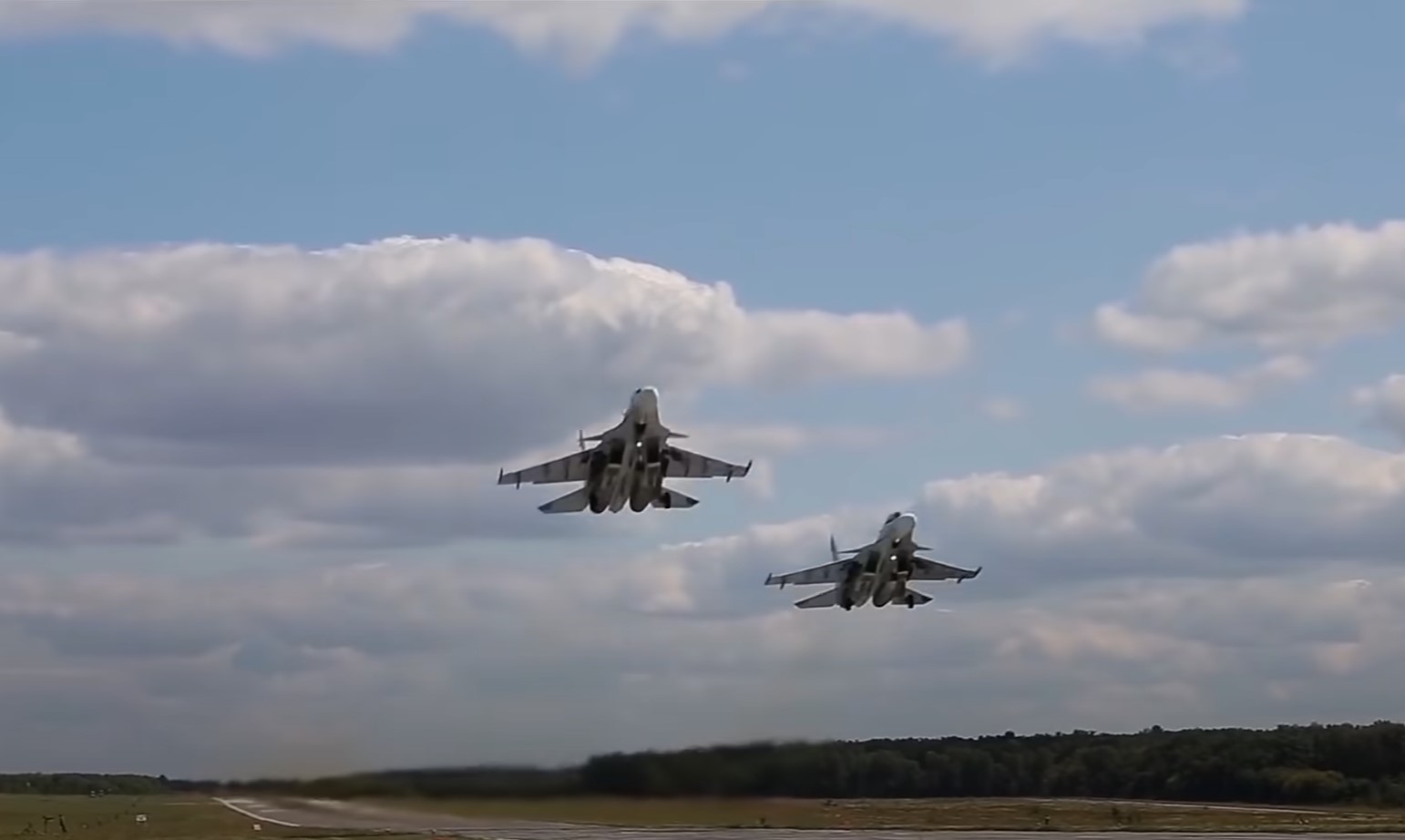
Today, the Western world «breathes» and «exists» with the conviction that Russia is ready to invade Ukraine. Biden repeats this on a daily basis, Britain, the biggest instigator of the war, «types it up,» and the Western media, well-fed by Western governments, regurgitates it. All of them deliberately «forget» one detail: that Russian forces are deployed on Russian territory.. Surrounded by thousands of soldiers and weapons systems capable of destroying Europe many times over, which are converging on its borders from the Baltic to the Black Sea.
Contradictions manifesting weakness
The war cries of Western countries are not of secondary importance. This is even more so when they coexist with uncontrolled economic and political forces that will not hesitate to cause large-scale provocations in order to achieve their goals.. However, it is important to note that the war hysteria against Russia is manifesting itself at a time when the omnipotence of the US has significantly declined, while at the same time European countries are deeply divided over their involvement in a war on their territory.. For its part, Russia categorically rejects any intention to invade Ukraine and is determined not to back down on anything that jeopardizes her safety. In fact, it has demonstrated this determination (Syria, Georgia, Kazakhstan), which everyone takes seriously.
In this way, Biden's contradictory statements reveal the US's unease at the prospect of a heated conflict.. He therefore rejects Moscow's proposals (Ukraine not joining NATO, NATO forces withdrawing from its borders, etc.), but says he is ready to discuss issues relating to the limitation of weapons systems in Europe. He is certain that a Russian invasion of Ukraine is imminent., but also refers to difficulties in reaching agreement among NATO countries on the Western response. In reality, US policy in Ukraine has become trapped in the contradictions of our times: the US must show strength in order to regain its prestige and lost ground, but at the same time it realizes that the outcome of an open conflict with Russia is not a foregone conclusion., but likely to lead Moscow into closer cooperation with Beijing – which is also the US's major strategic rival..
Faced with these dead ends, it becomes more likely that the current climate of warmongering is a smokescreen for the imposition of severe economic sanctions against Russia. The relevant legislation passed by the US Senate and the debate on Russia's exclusion from the global payment system (Swift) will cause billions in painful losses to the Russian economy. But even these are not easy or a foregone conclusion.
The EU is deeply divided.
Two contradictory events represent the tip of the iceberg of Europe's division. The first is Croatia's official statement: «In the event of an escalation, we will withdraw every last Croatian from NATO forces.» The second is the dismissal of the head of the German Navy General Staff, who stated that Russia needs the respect of the West.
The new German Chancellor Scholz is preparing a trip to the US in early January, after first visiting Moscow., making it clear that Germany differs from the US on the Ukrainian issue. A large part of the German political and economic establishment understands that a war in the heart of Europe would be disastrous for its plans. At the same time, and economic sanctions, beyond certain limits, cannot be acceptable. European countries have very strong economic ties with Russia, and would be seriously affected by Russia's exclusion from the global payment system.. At the same time, Central European industry (and the heating of its citizens) is beating to the rhythm of Russian natural gas and Russia's threat to completely cut off supplies to Europe cannot be taken lightly.. For its part, and France is talking about seeking a settlement to the Ukrainian crisis, showing reluctance to escalate tensions.. This is how the Baltic countries and certain prominent politicians in Eastern European countries who are leading the war hysteria remain.
All this indicates that the climate of tension will continue, and will be decisively influenced by the economic and geopolitical rivalries of the Western «champions of the free choices of peoples.».
By Spyros Panagiotou