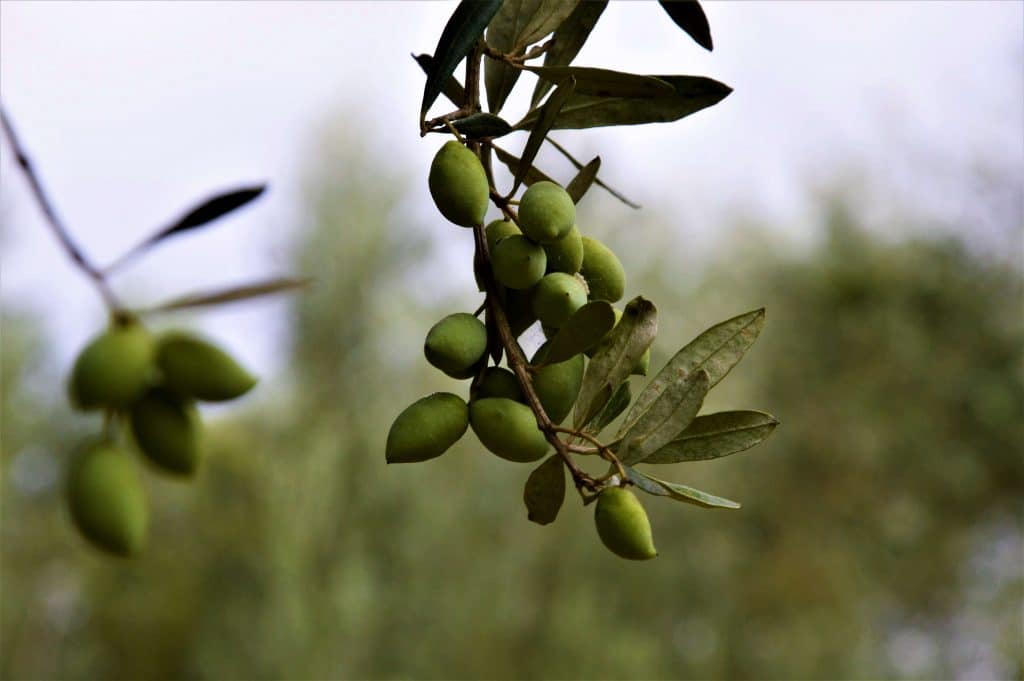
A new wave of increases in olive oil prices is expected in the coming months, as extreme weather conditions are damaging crops in Europe’s major olive-producing countries.
The prolonged heat wave, drought, and devastating wildfires have caused damage to olive groves in Greece, Italy, Spain, and Portugal, raising concerns about the quantity and quality of the upcoming harvest.
Even in areas where the olive groves were not burned, the ash, the deterioration in air quality, and the extremely high temperatures are affecting fruit development. At the same time, the heat promotes the spread of insects and diseases, while water shortages can cause olives to fall prematurely.
Producers estimate that the first significant price increases may begin in September and intensify during the fall, when there will be a clearer picture of the size of the harvest.
Developments in Spain, which is Europe’s largest olive oil producer, are of particular importance. Although this year’s temperatures have been closer to normal levels in some regions, the prolonged drought continues to threaten olive groves and final yields.
International olive oil prices had fallen from the historic highs recorded in previous years. However, the recent deterioration in crop conditions is raising fears that this decline will prove to be temporary.
The problem is not limited to olive oil alone. European authorities have already revised downward their forecasts for a number of key agricultural products, including corn, sunflowers, potatoes, and soybeans. In France, losses of up to 50% are estimated for certain vegetable crops, while a significant decline in cereal production is expected in Spain.
These developments are fueling concerns about renewed pressure on food prices, as lower yields are compounded by rising costs for irrigation, energy, and crop protection.
For Greece, where olive oil is a staple food and an important export commodity, the outcome of this year’s harvest will be decisive both for producers’ income and for the final price consumers will pay.