
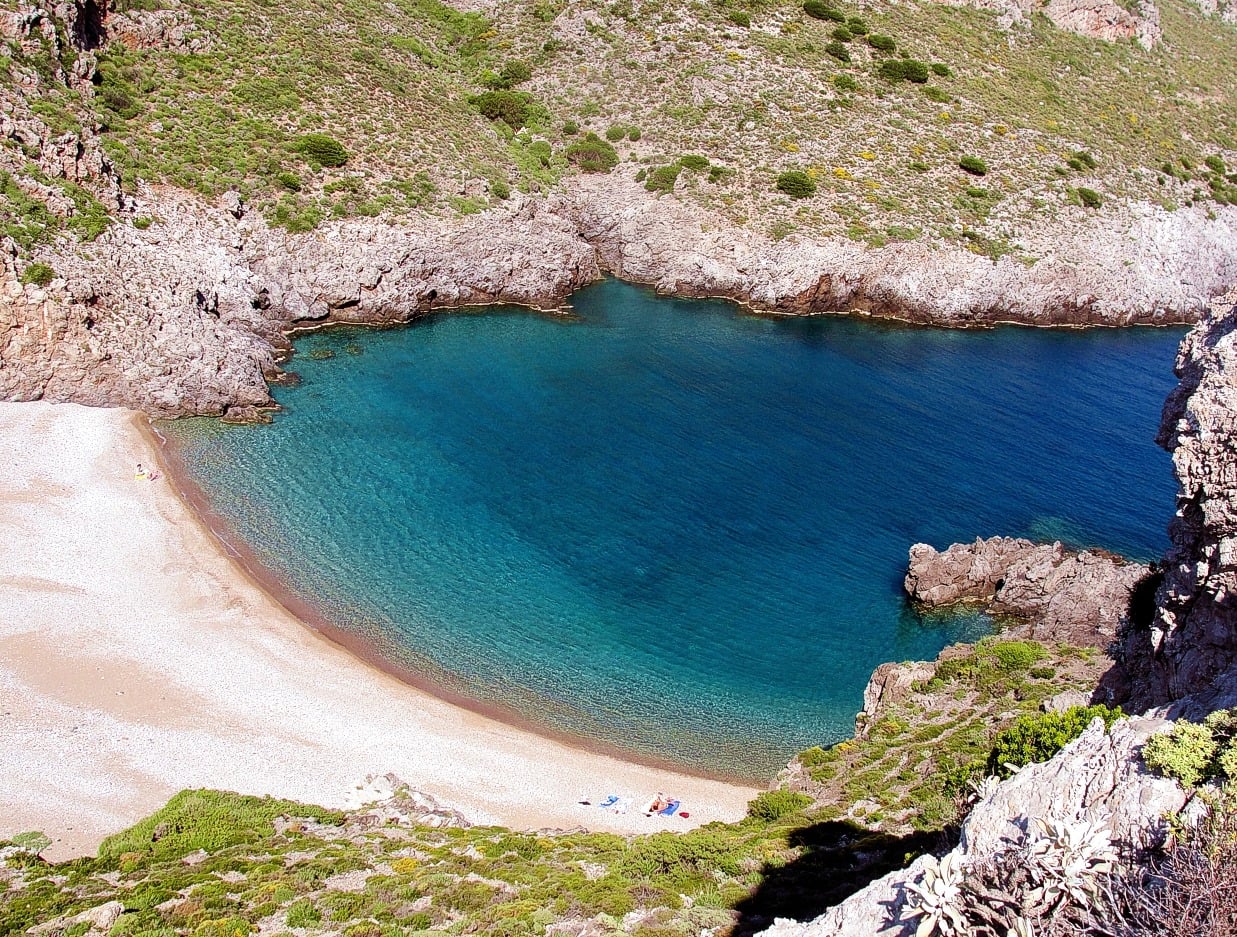
Ο Ioannis Douskos presents an original historical and mythological interpretation of the relationship between Kythira and Cyprus and the role of the island in ancient trade. Through a narrative linking the birth of Aphrodite, the color purple, and copper, it attempts to explain the origin of the beach's name. Copper in Kythira.
Kythira: Chalkos Beach. Myth and Reality
According to mythology, the goddess Aphrodite was born in the sea of Kythira from the blood of Uranus, who was castrated by his son Cronus, and from his blood spilled into the sea of Kythira, the goddess Aphrodite was born.
(Hesiod: Theogony 188-202 )
The archaeological word Kytheria means desirable, seductive, and according to Homer: Aphrodite was Kytheria, goddess of love and nurturer.
So here arises the dilemma: did the island of Kythira take its name from the goddess's nickname “Kytheria,” or did the goddess take her nickname from the name of the island of Kythira?.
Be that as it may, the goddess Aphrodite took her name from the sea of Kythira, meaning she was born from the foam of the sea, “afro“ and “diti,” meaning emerging.
According to myth, the goddess migrated to Paphos in Cyprus, where she emerged from the sea, which is why she was named Aphrodite Emergent.
Because every myth hides a reality!
This myth essentially describes the commercial relations between Kythira and Paphos in Cyprus.
But what did Kythira trade with Cyprus?;
From the time when the Phoenicians dominated Mediterranean trade, from which they were later displaced by the Minoans of Crete and they in turn by the Mycenaeans, all these seafaring peoples transported goods from one place to another, such as oil, olives, wine, clay pots, utensils, etc.
But what goods were transported between Kythira and Cyprus?;
It is known that since ancient times, the island of Kythira was called “PORFYROUSA” because its sea was full of porphyra shells, which, after processing, produced the famous purple dye used to color the clothes of kings, nobles, and priests.
Note: In Homer's ILIAD and ODYSSEY (see:HOMER CODE), the garments of Achilles, Agamemnon, Menelaus, Odysseus, Alcinous, king of the Phaeacians – Kythira, for example. But later, the Byzantine emperor Justinian and other Byzantine emperors also wore purple.
These purple garments still dominate the uniforms of cardinals and bishops in the Catholic Church today, with cardinals wearing blood-red and bishops wearing purple.
This product still has tremendous value today, reaching 30 times the price of 24-karat gold on the international market, i.e. around €3,000 per gram.
Thus, ancient merchant sailors transported the dyed purple fabrics from Kythira to Cyprus. However, we know that during Homer's time, these fabrics were produced and used in the palace of the King of
Kythira Alkinoos, and not only because Homer mentions them in the Odyssey:
“Fifty women are in his (Alcinous) house, slaves... ... others weave cloth and comb hair... ...”
and they are the percussive fabrics, on which the oil flows“ (Od. 103-107).
Also: ”Then she told the maids (servants), Arite the white-handed (wife of Alcinous), to spread out beautiful purple bedding in the hall (Od. 335-337).
Also: The famous singer (Demodocus) sang, and Odysseus pulled the purple cloak with his hands. (Od. 83-84).
Cyprus copper was valuable because when mixed with tin, it produced bronze, a hard metal essential for the manufacture of weapons, tools, various utensils, jewelry, statues, etc. It was transported by merchant ships in the form of stretched oxhide, weighing 5, 10, 20, or 30 kilograms.
Note: This explains the bronze and silver objects found inside the palace of Alcinous, king of Kythira, because Cyprus produced silver as well as bronze.
“ Odysseus before Alcinous, on the resplendent roofs... in front of the bronze threshold... that the walls were made of solid bronze... the silver posts on the bronze lintel (transom) were made of solid silver. (Routes 83-90).
See the bronze statues found in the Antikythera shipwreck in 1900-1901 and until 2015 by divers, which are now in the National Archaeological Museum of Athens, such as the Antikythera Youth, the Antikythera Philosopher, and most importantly, the world's first analog computer, the famous Antikythera Mechanism!
All these remarkable findings and many others still lying at the bottom of the sea off Antikythera, according to my research, were stolen by the ancient Romans from the ancient port of Kapsali – Chora of Kythira, whose ship (Orcas) was wrecked on the rocky shores of Antikythera due to heavy seas.
But at which port in Kythira did the Cypriot ships unload their goods? At Chalkos beach in Kythira, of course!
So, the beach next to Kapsali in Kythira was an ancient port where copper from Cyprus was unloaded, which is why the beach was named Chalkos (meaning ’copper" in Greek)!
bibliography:
Hesiod (Theogony)
HOMER'S ODYSSEY (translation by Iak. Polylas)
RESOURCE APRIL 2025.
Ioannis Sp. Douskos
Civil Engineer – Researcher
e-mail: douskos_i@yahoo.gr









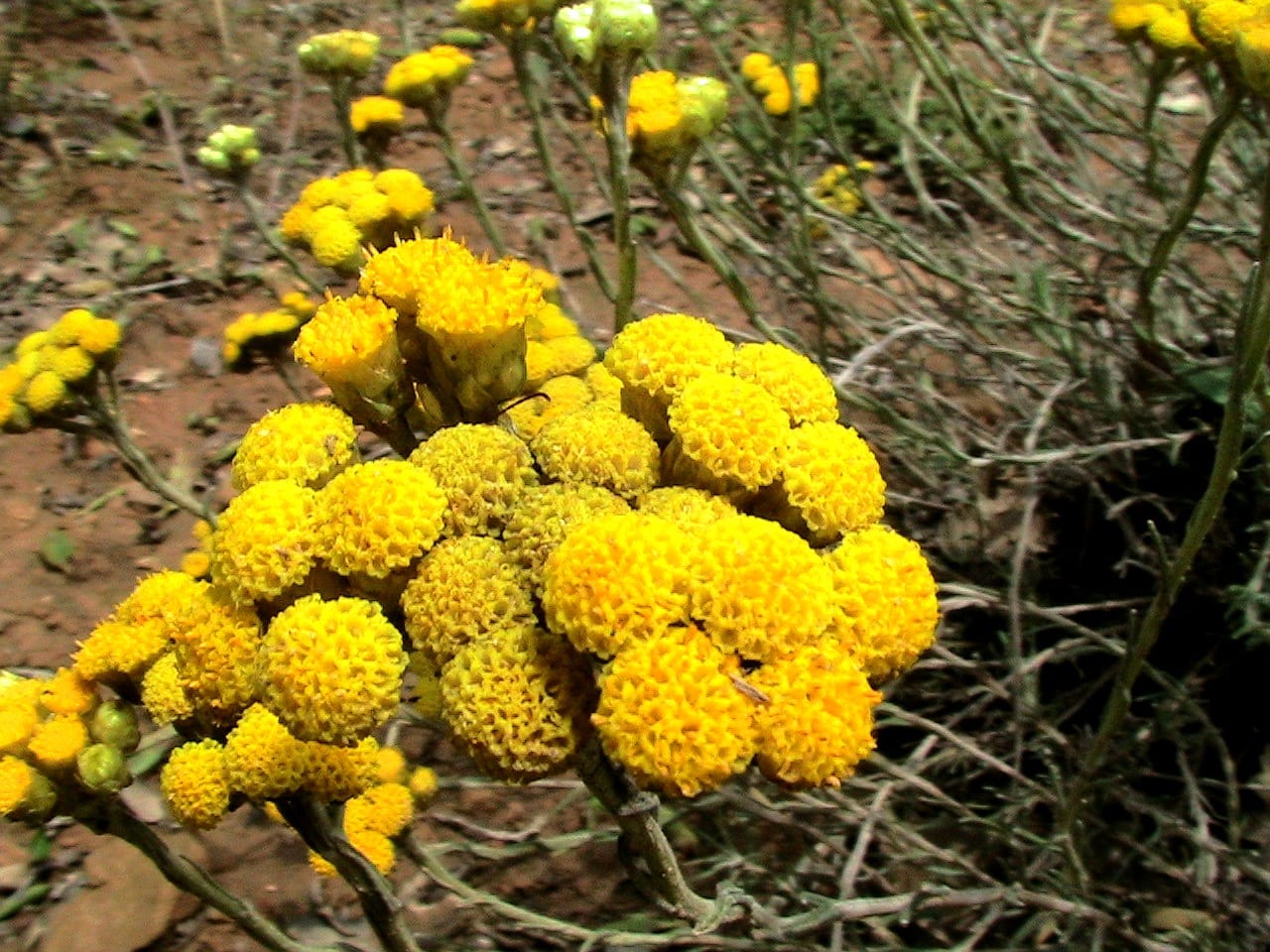
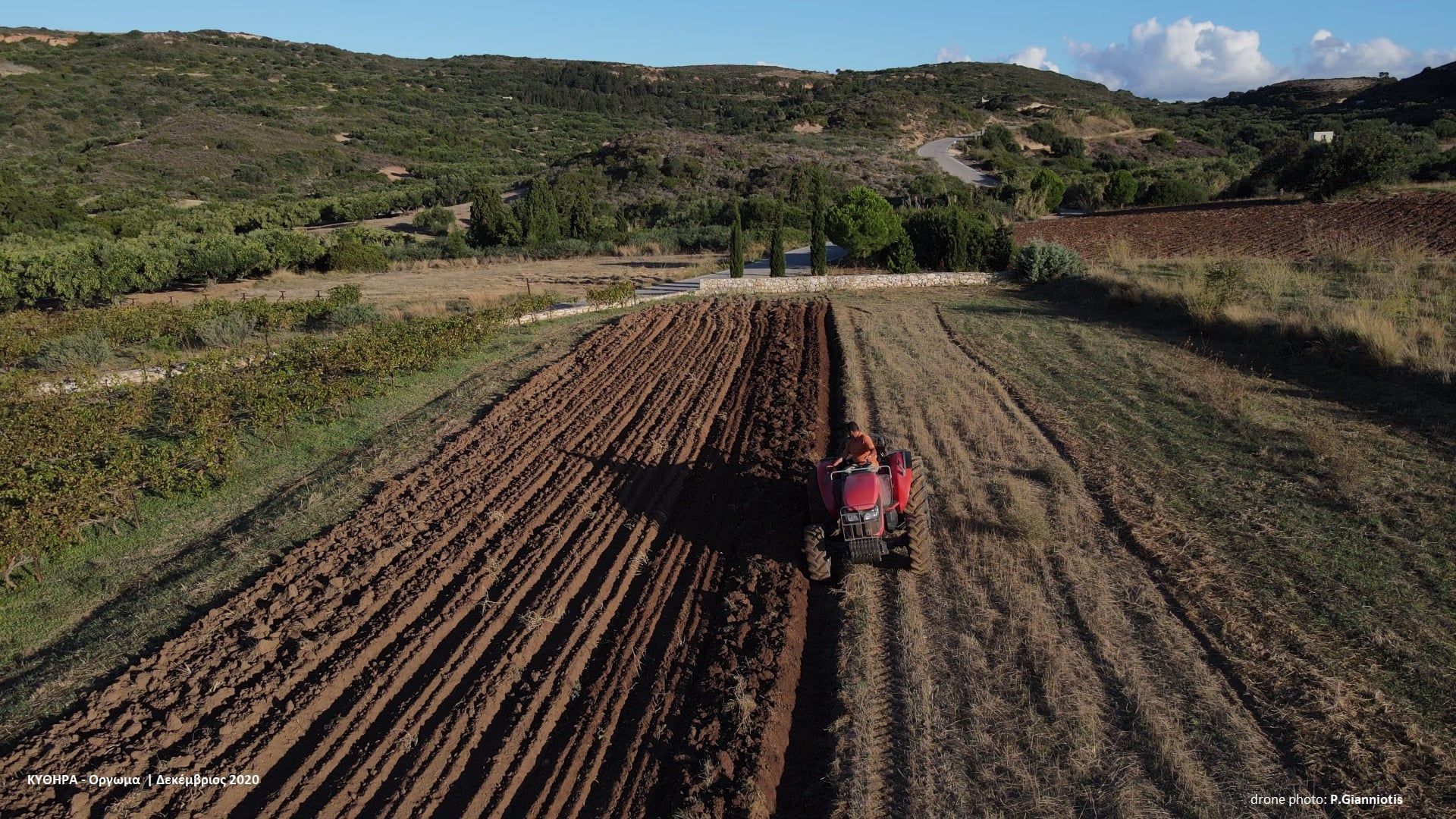

Cu – tera > with the change of “τ” to “θ” and the long “ε” to “η” > Kythira, meaning land of copper