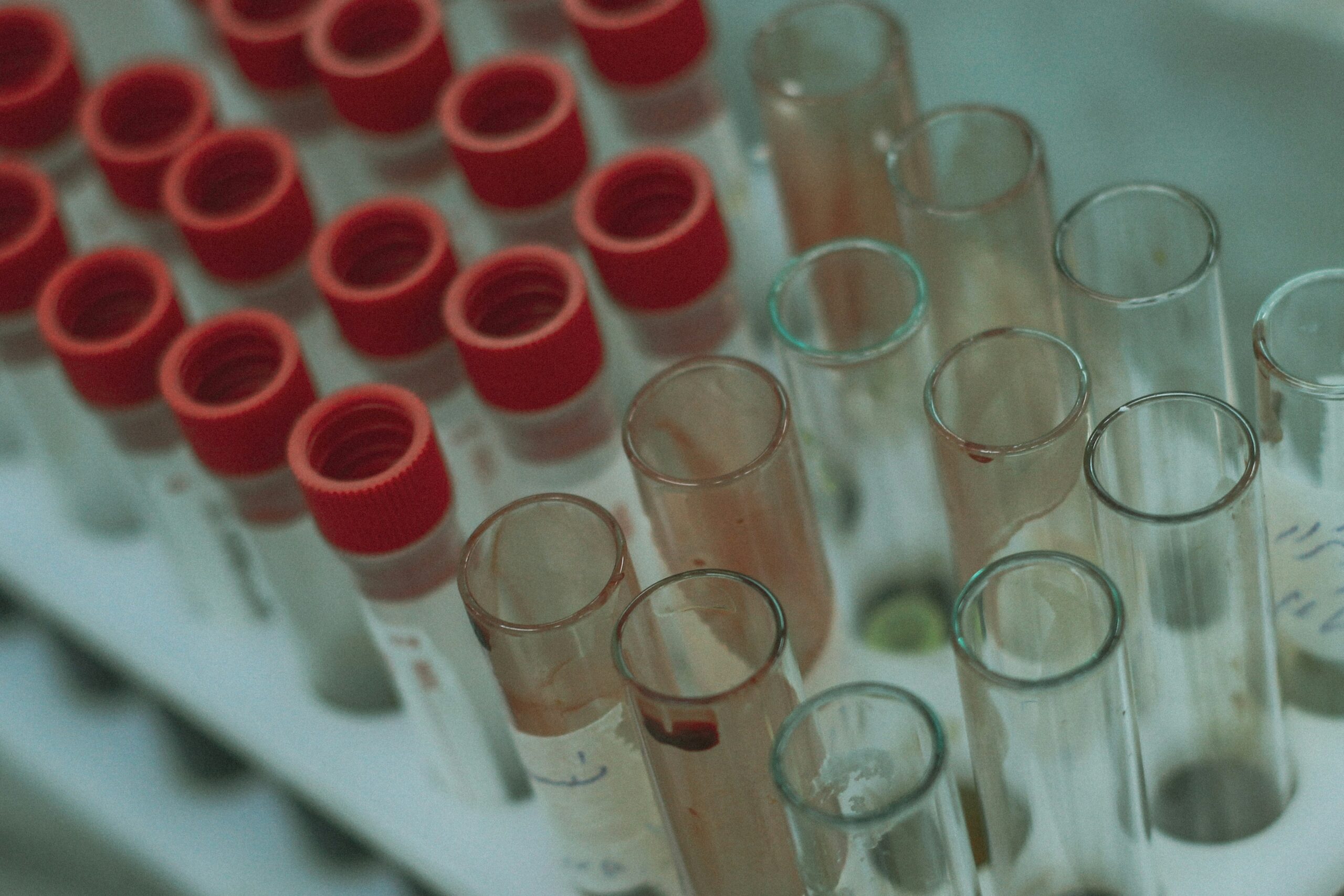
Reducing new infections and deaths globally, more effective prevention, more effective treatments... The fight against HIV and AIDS is moving forward, even though the end of the epidemic still seems far away, just days before the International Day against the disease on Sunday (1 December).
In 2010, the number of new infections with the virus that causes acquired immune deficiency syndrome (HIV) fell by a fifth internationally, according to data published in The Lancet HIV journal.
Deaths - generally caused by accidental diseases after AIDS has now manifested itself, in the final stage of infection - have fallen by about 40% and are now well below the one million level.
This trend is attributed above all to the improving situation in sub-Saharan Africa, the region of the world that is by far the most affected by the AIDS epidemic.
The picture becomes much darker, however, when looking at infections, which are increasing in other regions, such as Eastern Europe and the Middle East. The world is far from the UN's goal of having the epidemic essentially eradicated by 2030.
Something on which experts agree: prevention, treatments such as so-called PrEP («pre-exposure prophylaxis») is becoming increasingly important in the fight against the pandemic.
For people who are not carriers, but have behaviours that are considered high risk, they have an excellent effect in preventing infection.
Experts are thus pushing for it to be enlarged. In France, the health authorities consider that PrEP should no longer be recommended only for men who have homosexual intercourse.
These pills «are something that can be used by any man who needs them at some point in his sexual life», said infectious disease expert Pierre Delobelle during a press conference organised by the ANRS institute.
People who are already infected have increasingly effective and practical treatments available to them, particularly because they need to take them less often.
However, the availability of treatments, both preventive and non-preventive, is slowed down by a number of factors. This is particularly true in poorer countries, such as those in Africa, where the cost of medicines remains a problem.
New formulation has largely fuelled the polemic in recent months. The pharmaceutical company Gilead has a drug with the active substance lenacapavir (Lenacapavir in English), promising unprecedented efficacy in prevention and treatment.
Experts believe it could be a game changer, but the cost is astronomical: $40,000 per person per year.
Under pressure from anti-AIDS campaigners, Gilead promised in early October that it would allow pharmaceutical companies to produce generic drugs at reduced cost to be distributed to poorer countries.
However, the barriers are not only financial, particularly with regard to preventive treatments. The idea of using them without fear of stigmatisation must also be accepted, while behaviours such as homosexuality are considered unacceptable or illegal in various countries.
Widespread use of PrEP in Africa runs up against the major challenge that «people at high risk need to be aware and acknowledge it», summarized a 2021 article published in the Lancet Global Health.
Exactly the same problem exists in early detection and diagnosis, which is particularly important as many infections are not detected until an advanced stage, which complicates treatment.
Some issues attract medical attention to an extent that may seem disproportionate. Research on vaccines, for example, has so far not really produced any convincing results.
But, given the effectiveness of preventive treatments, «isn't it almost like having a vaccine?» asked Yazdan Yazdapana, head of the ANRS, a French institute that has pioneered the fight against AIDS, in mid-October, adding, however, that «research to (develop) a vaccine should not stop.».
There have been a few cases in recent years where complete remission or cure has been found - less than ten in total. Although spectacular, they were due to stem cell transplants, a risky treatment that is not applicable except in special cases.