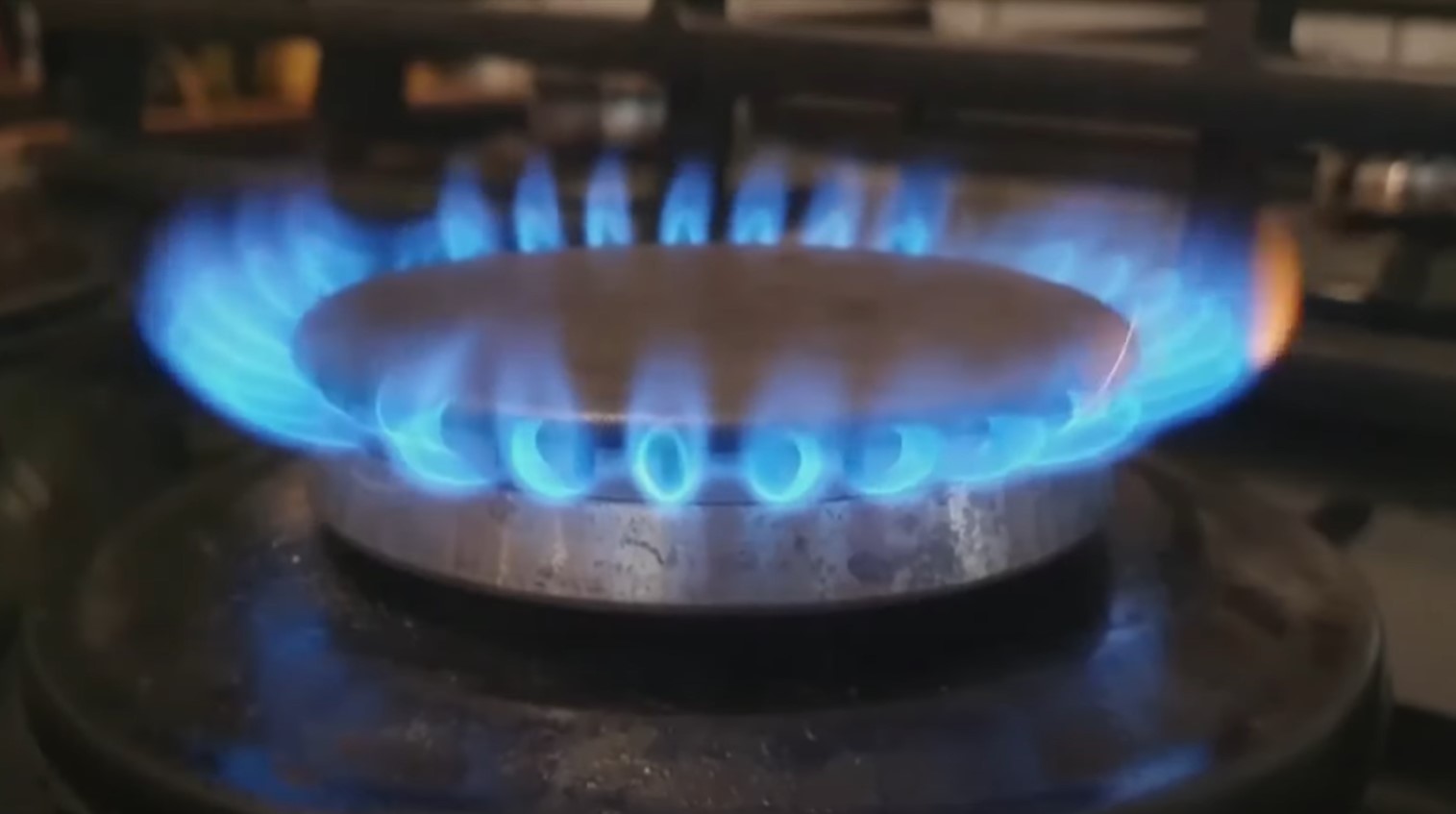
Fire in the budget threatens to set the frenetic price race of natural gas, but also the possibility that the Russia cut off gas supplies to European countries.
With Russia not seeming to change its strategy, it is clear that gas prices will continue to escalate in the coming period, demonstrating that the situation is in danger of spiralling out of control. The pricing landscape is exploding, with gas reaching over €173 yesterday and the wholesale price of electricity soaring to €373 per megawatt hour today. Note that March was the month with the highest average price, at 273 euros, and is currently 100 euros above.
If the price jump continues for a long time, the budget will... bleed, despite the positive news on the tourism front, as more funds will be needed to support households and businesses. In the General Accounting Office on a daily basis exercises are carried out to recalculate costs but also the budgetary margins created for further support measures.
It is characteristic that speaking at the Economist conference, the Chairman and CEO of Mytilineos, Evangelos Mytilineos, appeared particularly concerned about the issue of honour at which the gas will be sold. According to his assessment, we are in a period in which prices will remain high, if not increase further. This means that the problem that the Greek economy will have to face will be a big one.
The cost
It should be noted that, based on current data, the fiscal scenario for the new mechanism, which the government is presenting as a «buffer» against energy precision, has already been overcome. As Deputy Finance Minister Theodoros Skylakakis has stressed, the working plan was based on gas prices of up to 100 euros/MWh.
It is recalled that, based on the estimates of the economic staff, the fiscal cost of supporting energy bills in the event that the wholesale price of electricity remains at 300 euros per megawatt hour will go to EUR 1,5 billion, while at the moment there is around €850 million budgeted for this measure, based on gas prices of up to €100 per MWh.
For every €10 increase in the price of gas, €500 to €600 million is deducted from GDP on an annual basis, while the same increase requires €300-400 million of extra spending from the budget to maintain the objective of returning electricity tariffs to levels close to those prevailing before the energy crisis.
Of course, due to the implementation of the government intervention in the wholesale electricity market, the Energy Transition Fund will have more money available due to the imposition of a cap on the revenues received by power generators depending on the generation technology.
Quicksand for the budget
It is obvious that with these data, if the same picture continues, the whole macroeconomic scenario, which has already been revised once, will again be called into question, because of the major needs for subsidies. If the overruns continue, issues are expected to arise regarding the measures that the government seeks to implement during the election campaign.
With the extension of the abolition of the solidarity contribution for civil servants and pensioners costing 470 million euros, the question is how many measures can be implemented since the biggest increases in electricity tariffs will have to be subsidised.
Sissy Stavropierrakou