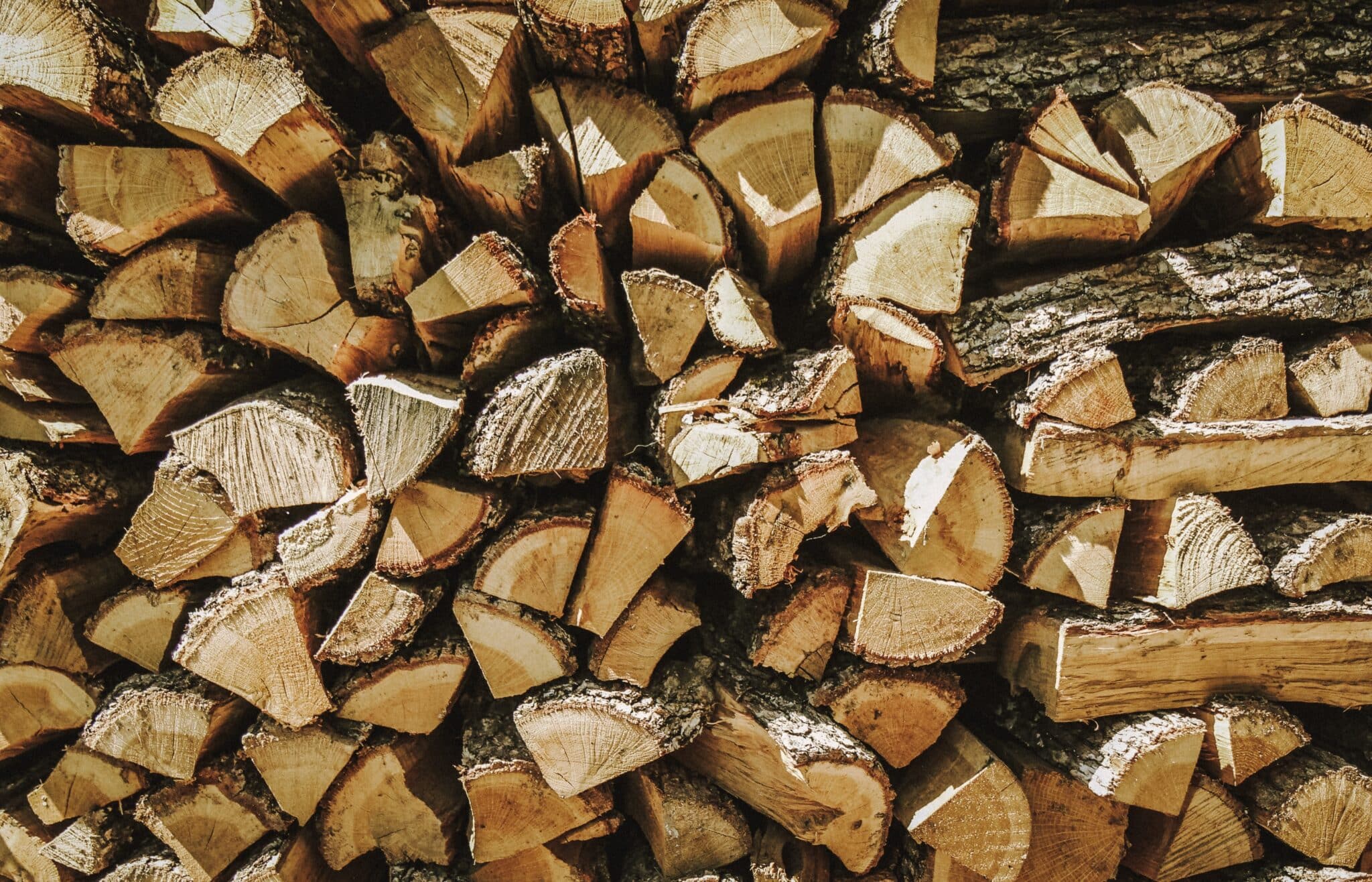
Europe's energy crisis, caused by a reduction in gas flows from Russia amid the war against Ukraine, has forced many people to turn to cheaper sources of heating, such as firewood, as the weather gets colder.
However, as more and more people are buying and burning wood, prices have skyrocketed and the first shortages are already being recorded. At the same time, theft and fraud are occurring. Foresters are placing GPS devices on logs to keep track of the precious reserves, while fears are growing about the environmental impact of increased air pollution and the massive felling of trees.
In the former Soviet republic of Moldova, authorities are concerned that this winter could be disastrous for many of its residents due to high electricity and heat costs, with European gas prices tripling compared to early 2021, despite falling from last August's record highs. .
Europe's poorest country, with pro-Western ambitions but part of its territory controlled by Russian troops, has seen Russian energy giant Gazprom cut gas supplies by 30% recently and threaten more cuts.
The huge demand for firewood is not limited to poorer countries such as Moldova, but has also increased in richer parts of Europe. State forests in Germany, Poland and the Czech Republic are seeing much greater demand for the limited quantities of firewood they sell as part of their sustainable forest management.
Often these are people who have never ordered firewood before and do not seem to know that it must be bought two years in advance to dry out enough to burn in wood stoves, according to the forestry service in the state of Hesse in southwest Germany. German forest rangers are also seeing more people picking up fallen wood in the forests, often without knowing that doing so is illegal.
The Czech state forests, which sell wood only for domestic consumption, have had to limit the amount of firewood sold to individuals to prevent speculative buying. In Poland, demand for small firewood from state-owned forests increased by 46% and for larger firewood by 42% compared to the previous year. This happened even before autumn, when demand increases the most.
Theft and fraud
Consequently, the theft of firewood, which has always existed to some extent, is also increasing. In order to prevent such phenomena, the forestry department in the German state of North Rhine-Westphalia is experimenting with placing hidden GPS tracking devices on logs. Foresters in the neighbouring region of Hesse have been using GPS since 2013 and say they have been able to detect several thefts in this way.
Austrian police warned last week of a significant increase in scammers claiming to sell firewood and pellets online, while several companies across the country were put under the microscope by authorities on suspicion of being involved in price gouging.
The German Pellet Institute also warns buyers to beware of so-called sellers who demand payment in advance and then disappear.
Price spike
In Greece firewood prices are 60%-70% up compared to last year. In this context, the Ministry of Development and Investment, through an amendment, capped the profit margin for solid heating fuels, setting fines for violators from 5,000 to 1,000,000 euros.
Germany's statistical office reports that prices for firewood and sawdust pellets, which can be used for central heating of houses, rose by over 851 ttpa in August compared to the previous year.
Prices in pellets per tonne fell by 2.6% in October, but remain almost 200% higher than a year ago, the pellet institute said. Even so, pellet heating is cheaper than gas. Natural gas costs 20.9 cents per kilowatt-hour of heat, while pellets cost 14.88 cents.
In the United Kingdom, firewood prices are also rising. The managing director of Certainly Wood, which bills itself as the largest supplier of firewood in the UK with sales of around 20,000 tonnes of wood a year, estimates that his company's kiln-dried hardwood is 15% to 20% more expensive than last year and «could become even more expensive as the weather cools down».
According to him, demand for domestically sourced firewood was boosted by more expensive imported timber from countries such as Latvia and Lithuania. Transport costs, particularly for fuel, have driven up the price of imports, which used to be cheaper than British wood but are now more expensive.
In Denmark, the demand for wood stoves is growing along with the firewood itself. Local sales website DBA reported that enquiries for wood pellets have shot up by over 1,300% compared to last year. The government and environmentalists have warned Danes planning to burn firewood to consider the risks: fire can be hazardous to health, while smoke contributes to particulate pollution.
Environmental disaster
There is also the devastating environmental impact of cutting down more trees. Ejonna Sala, head of an environmental organisation in Kosovo, where electricity prices have soared, says that the felling of forest trees there has increased significantly. Her group, EcoZ, monitors forests in mountainous areas and has found people illegally cutting down trees at 5am in some cases. The firewood is then sold around the capital.
Often what is cut down are young trees. Forests, he said, are subjected to «vulgar deforestation without any criteria or control».