In recent years, the geopolitical context of our wider neighbourhood has changed. This has happened due to international economic and geopolitical changes, and regional diversifications. The US remains the most powerful country in the world in all critical sectors, but has lost its absolute economic, technological and military dominance due to the tectonic upheavals created by the globalisation of the economy. That is why the country that paved the way for the new globalization of the economy, in recent years, with emphasis on the Trump era, has made great strides in folding back in all areas.
From being a force that promoted global cooperation, it withdrew from many areas of international cooperation, and above all undermined its institutional functioning, believing that it can regain absolute domination of the world by imposing unilateral choices on each country individually, since each country alone is much weaker than through international and regional cooperation. The two poles he wanted to weaken are the EU and China, since he has a negative trade balance with both.
These developments favoured Turkey, which, exploiting the geopolitical gaps of the US folding, the undermining of the two powerful alliances of the EU and NATO, tried to achieve high degrees of autonomy vis-à-vis them and, based mainly on the economic power it had acquired, to claim the role of a regional hegemonic power, on which the new geopolitical and economic balance of the region would depend. Turkey does not fit into the narrow suits of the Lausanne Treaty and the cold war.
Erdogan is the creator and the exponent of this strategy, expressing it more personally, while the Kemalists express it more institutionally. Recently he again boasted that the new Turkey is militarily located in six countries and no decision can be taken in these countries without its participation. This is particularly emphasized for all open issues in the Eastern Mediterranean, especially the Cyprus problem, the Middle East and energy developments. Neo-Ottomanism and nationalism are the internal adhesives that complement each other, especially now that its economy is in crisis and popular discontent is growing.
If this is the strategy of Erdoğan and Turkey, what are the goals for Turkey and his personal canonization that he has to achieve in the next five years, and that concern our country and Cyprus?;
- Not to exploit the hydrocarbons in Cyprus to control developments on the island and in the eastern Mediterranean.
- Not to establish an energy cooperation in the Eastern Mediterranean without it, which would limit the strategic advantage of the transit of gas pipelines through it, both from the east and from the north, to the large European market, and would upgrade Cyprus and Greece.
Turkey wants the EU to be dependent on it in three critical areas - energy, geopolitics and migration/refugee issues - and to strengthen economic cooperation with the EU. Turkey has important economic partnerships with most EU countries, especially the big ones. Both sides want to strengthen these partnerships because it is a large market, a low-cost investment destination, offers great investment opportunities, and access to markets in the wider region.
When and why did Turkey's aggressive revisionist policy begin?;
It started its aggressive policy in 2011 with the civil war in Syria. In 2017, when it closed the problems with Syria and Russia, it turned westwards, first to Cyprus and then to Greece. The neo-Ottoman doctrine of soft power and zero problems with its neighbours was replaced with projection and the use of force. In 2016, the election of Trump untied Erdogan's hands for Turkey's geopolitical and military expansion.
Turkey today has three open issues, the economic crisis, the election of Biden and the threat of sanctions from the US and the EU, which it must settle in the near future. The sanctions the EU is discussing do not bother it much, as the 2018 sanctions do, because of the violations of Cyprus' sovereign rights. It is bothered by the bad climate with the EU, because it affects it economically, and the US military sanctions, because of the S-400, which are substantial. What will be the attitude of the US and the EU and what should be Greece's new strategy?;
Erdogan will take the exploratory talks at least until the March Summit and then he will see. So the pressure from the EU has been neutralised. The new US President, with the open issues of the pandemic, the evolving economic and social crisis, the internal divisions, and the major cracks left in US international relations by Trump's policies, has little room for direct and effective interventions in our region in the near future, beyond good intentions.
So our country needs to formulate a strategy for 2021, and a five-year strategy. It must make two decisive choices:
- Will it face Turkey head on or will it sign regional bilateral agreements, which do not offer it significant geopolitical leverage and often set a bad precedent, such as the acceptance of the limited sovereignty of the islands in defining the EEZ. Bilateral and even multilateral in the region made sense until 2017, when Turkey was preoccupied with its south-eastern border, but after 2017, when Turkey turned westwards, everything has changed.
- It will accelerate the exploratory talks and dialogue with Ankara, with the aim of reaching a settlement through compromises and which compromises, and regardless of when they will be made, or will he slow them down, buying time, looking for a more appropriate moment?;
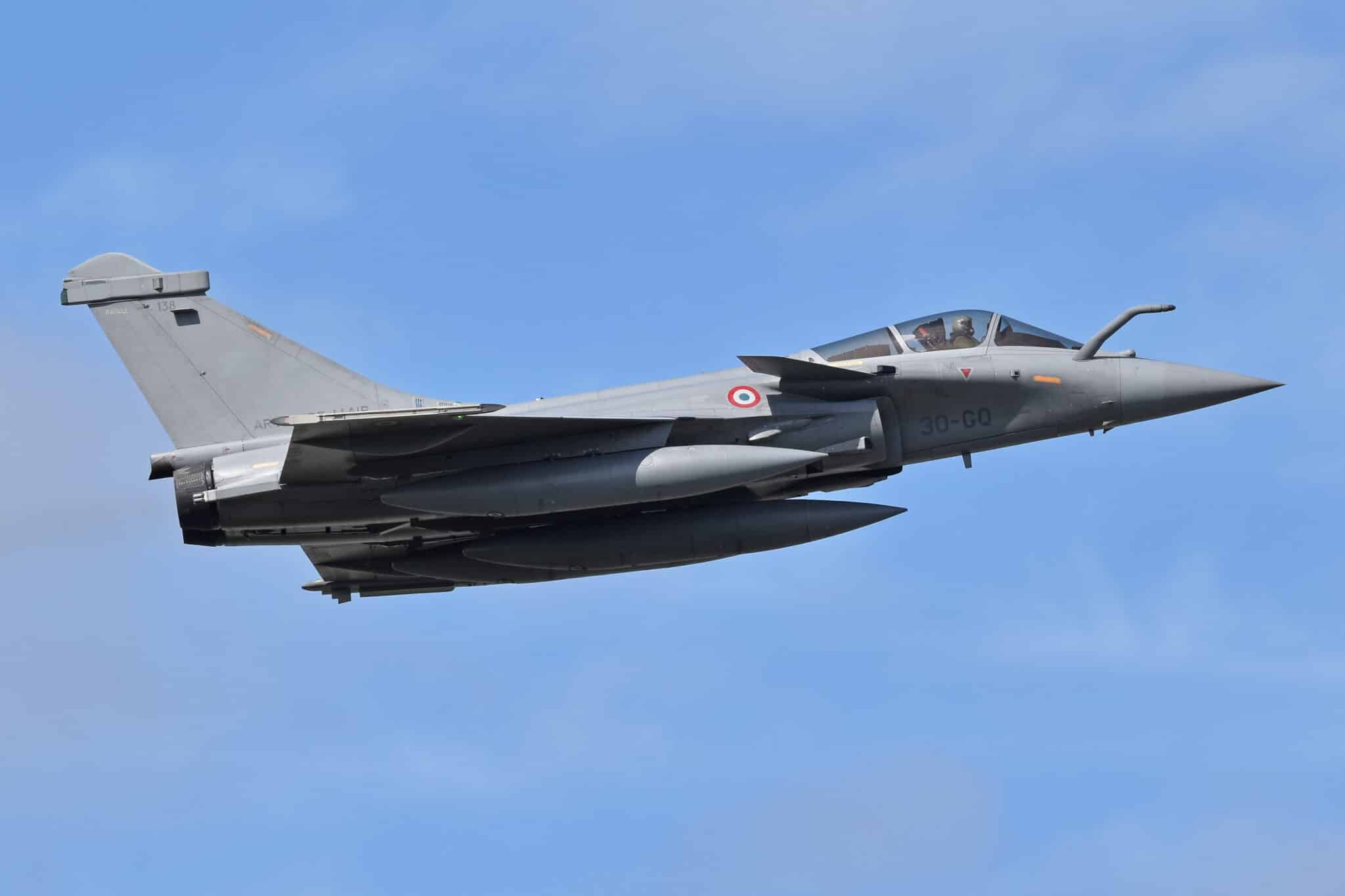
For the first option both the government and the opposition don't seem to be ready, while the EU and the US would love it, the second one is safe for the government, I don't know if it is for the country. So far, Erdogan has succeeded in stopping Cyprus' energy programme, in shutting down our country's energy programme, and in leading us into a short-term arms programme of more than 10 billion euros.
The resumption of Cyprus' energy programme, and the resumption of our country's energy programme in the Aegean and Eastern Mediterranean region will hardly be possible without facing Turkey militarily, and with the attitude of our allies and partners being questionable this time.