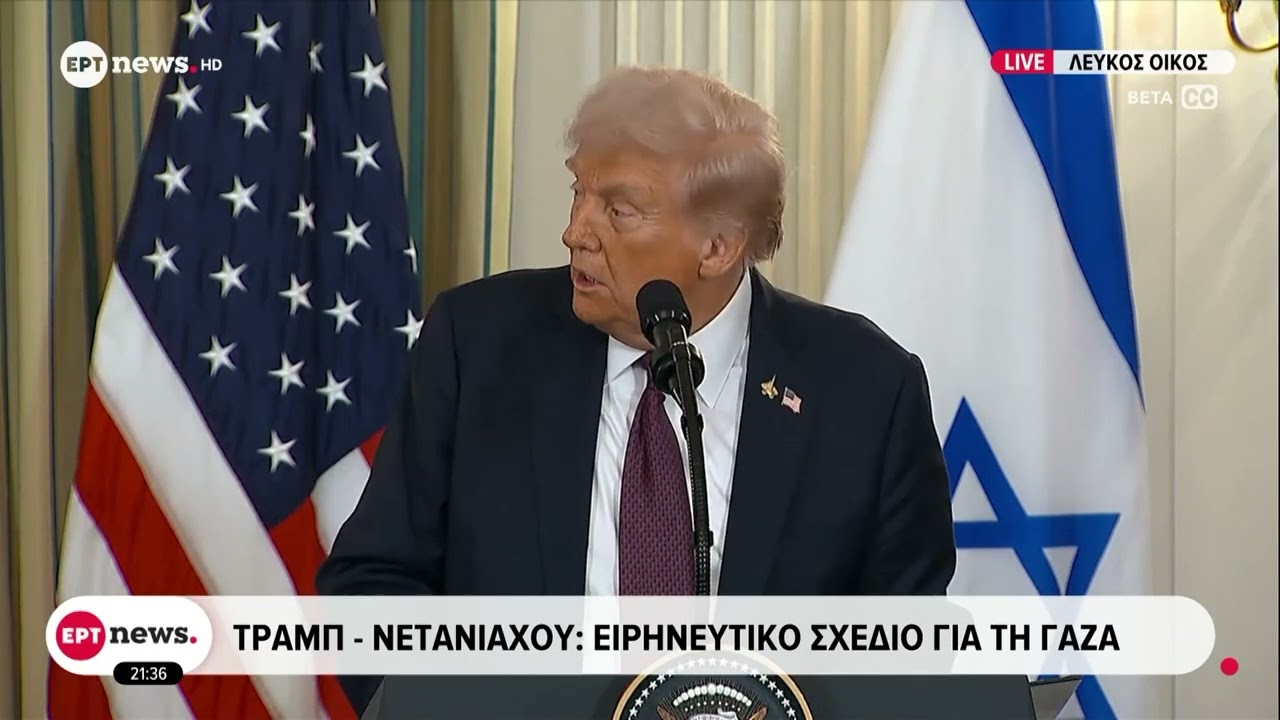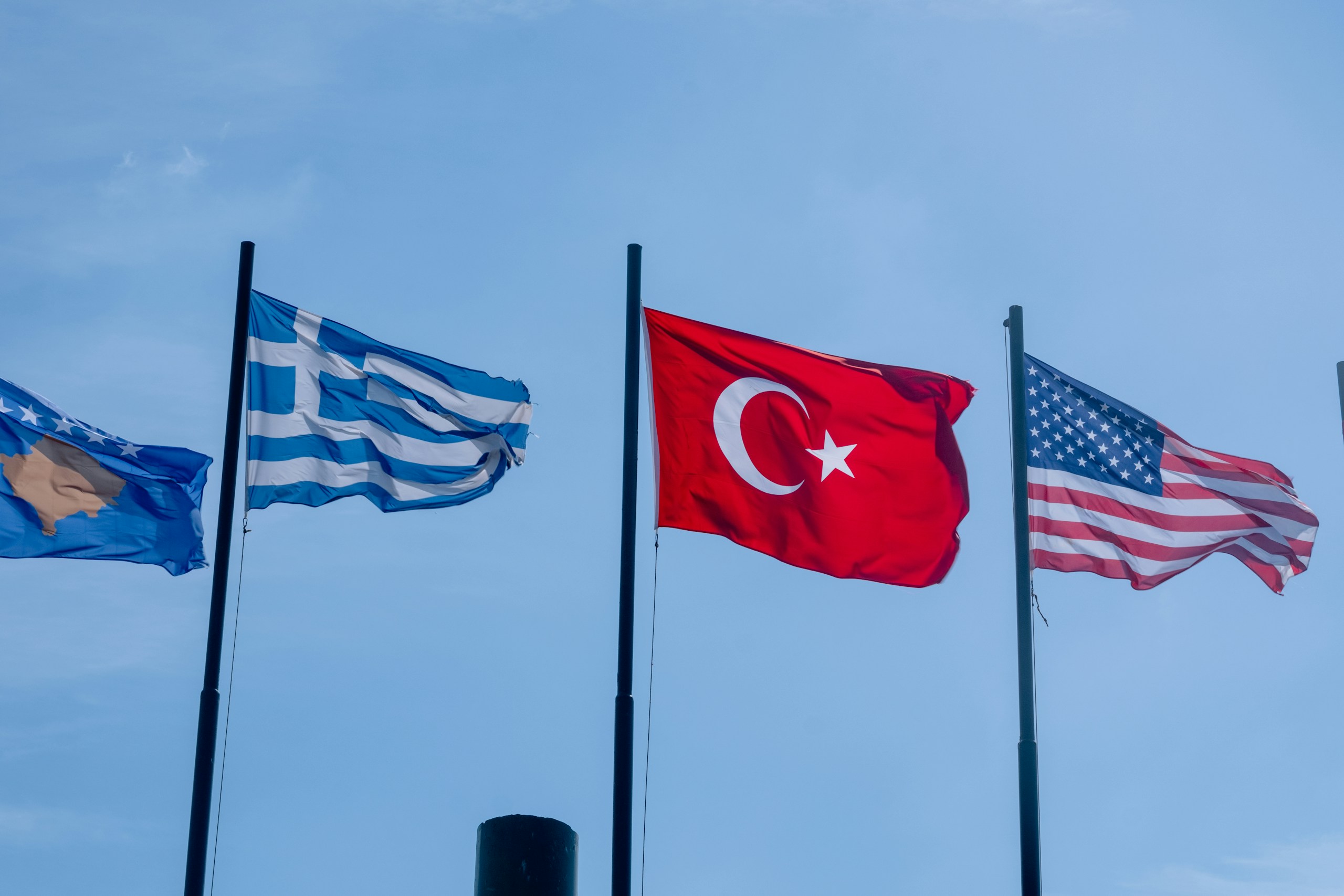
As is well known, the planned meeting between Mitsotakis and Erdoğan in New York did not take place.
However, although this fact should not be considered significant, The way it was presented by both sides highlighted the "blame" process Game (a game of assigning blame), in transnational and international relations more broadly.
Each side rushed to offer its own version of the reasons for the cancellation of the meeting, attempting to shift the blame onto the other side.
In such cases, The crux of the matter lies not only in «what happened,» but mainly in «how an event is handled» and «how it is communicated.».
Because in the diplomatic arena, when something does not go as planned, the first priority is not to provide an explanation, but to assign blame and manage perceptions, as this influences and shapes how domestic and international audiences will perceive the event.
In this context, it becomes clear that in diplomacy, the battle of impressions often proves to be just as critical as the facts themselves.
In particular, The blame game in international crises can be defined as the strategic process by which state and non-state actors assign responsibility for events or failures, with the aim of gaining political, diplomatic, or public relations advantage.
It serves as a strategic tool for legitimizing decisions, avoiding internal accountability, and maintaining or increasing international influence.
At the same time, serves as a mechanism for shaping perceptions ((shaping of perceptions), regarding the ethical responsibility and political credibility of those involved.
Through the blame game, crisis management is closely linked to public image and communication, while its strategic use can either undermine or strengthen international cooperation, depending on the context and the approach of the actors involved.
In conclusion, the The “blame game” as a diplomatic practice is not intended to reveal the truth, but rather serves as a means of persuasion to shape the perceptions of domestic and international public opinion in order to advance the strategic objectives of each side.
Focusing on the facts, it should be noted that From the Greek side, the cancellation of the Mitsotakis–Erdoğan meeting was presented in the media as a result of Turkey’s stance.
Specifically, The cancellation of the meeting was attributed mainly to «technical reasons» and «scheduling issues,», which prevented the necessary conditions from being met for the meeting to take place, and due to subsequent meetings that were extremely important, as was notably emphasized by the Minister of Foreign Affairs Mr. Gerapetritis.
Also, Government sources pointed out that Athens remains committed to dialogue, emphasizing that Greece is not to blame for the meeting not taking place, but rather the Turkish side, which backtracked and failed to honor the agreements.
This narrative is part of the long-standing national strategy that portrays Greece as a «responsible power» seeking dialogue, in contrast to Ankara’s intransigence and manipulative tactics in the diplomatic and communications spheres.
So, The blame game was used both as a means of enhancing the country’s international image and as a means of managing public perception and strengthening the government’s domestic legitimacy since it has consistently defended national interests without being responsible for diplomatic missteps or accepting terms that could undermine its national position.
Furthermore Government sources in Athens emphasized that if Ankara claims it is unable to hold the meeting, then its stance will become evident pretextual. This wording It was intended to preempt the Turkish narrative and frame it as a strategic evasion.
In the same context, Athens interpreted the Turkish side’s actions as a reflection of President Erdoğan’s annoyance at a series of Greek initiatives, such as maritime spatial planning planning, the creation of marine parks, and Chevron’s expression of interest in conducting exploration in the Greek EEZ.
The targeting of Turkey by highlighting these issues, allowed the Greek side to link the cancellation of the meeting to Turkey’s long-standing objections on issues of sovereign rights, reinforcing the narrative that Ankara used the “blame game” as a pretext to shift its geopolitical objections to the diplomatic arena.
At the same time, The cancellation of the meeting between the two leaders sparked intense political debate within Greece, as the opposition parties exploited the situation to level fierce and, in some cases, extreme criticism at the government in an effort to undermine it and strengthen their own position as the opposition.
To prove the point, the statements regarding «sloppiness», «amateurism», «incompetence», «diplomatic failure», «Greece's disgrace», «national humiliation», «international disgrace», «opportunism» and «the marginalization of Greece».
Through this strategy, Opposition representatives focused their criticism on the public relations aspects of the event, rather than on its strategic aspects and the actual choices made in Greek foreign policy.
Also, For reasons of petty political expediency, they shifted the blame game from the international stage to the domestic political arena, trapping public discourse in fruitless confrontation and populism.
It is also worth noting that in a similar instance, when Turkish President Mr. Erdoğan canceled his meeting with Italian Prime Minister Ms. Meloni, The Italian opposition did not make any similar statements or critical remarks.
This comparison shows that The widespread use of the “blame game” in domestic politics is a pathological feature of the Greek political system, as petty political squabbles and populism distract public opinion from the real national strategic priorities and undermine the effectiveness of Greek foreign policy.
On the other hand, The Turkish side initially emphasized that the cancellation of the Mitsotakis–Erdoğan meeting was due to Mr. Erdoğan’s «busy schedule» and, specifically, his participation in a meeting of leaders from Arab and Muslim countries that Mr. Trump had organized on short notice and that was to take place on the same day and at the same time as the scheduled meeting.
In this way, The Turkish side used the blame game to portray the cancellation as an inevitable consequence of objective factors, while at the same time maintaining the image of a methodical and diplomatically responsible leadership.
Then, The Turkish leadership claimed that Greece «rushed to announce» the meeting before a mutual agreement had been reached («Greek leak»), thereby attempting to shift the blame to Athens and highlight possible violations of the rules of trust and diplomatic etiquette on Greece’s part.
Furthermore, through the reputable pro-government Turkish newspaper Milliyet, the Turkish side strongly criticized Greece, referring to a «Greek disease» that «keeps recurring» and sees dangers and threats to Greece from Turkey everywhere.
Also, through the same newspaper An attempt was made to downplay the importance of Turkey’s bilateral relationship with Greece, noting that Turkey currently has much more serious issues to address on the international stage (such as Syria’s territorial integrity, Israeli expansionism, and the risk of conflict) by Greece, in contrast to Greece and the Greek government, which are obsessively focused on Turkey, thereby fueling tension in their bilateral relationship.
On the domestic front, the Turkish leadership avoided any self-criticism or admission of responsibility and focused on promoting a narrative that highlighted its own activities and importance in international relations.
The message to the Turkish public was aimed at maintaining the image of strong and decisive leadership, capable of managing multiple international events simultaneously, without appearing «concessive» or «compelled» to adapt to other initiatives.
It is also noteworthy that, in contrast to what happened in Greece, the Turkish opposition did not level any substantial criticism at President Erdogan for canceling the meeting and refrained from using the issue for political gain.
In conclusion, Turkey, through the blame game He attempted to shift the focus away from potential political responsibility and toward external circumstances, presenting the cancellation as an inevitable result of objective factors rather than as a product of negotiating weakness or a strategic choice.
Also, tried to shift the blame for the cancellation of the meeting to Greece seeking to protect both the country’s international image and President Erdoğan’s prestige, reinforcing the perception that Turkey remains a strong and reliable actor on the world stage.
To summarize the above, it should be noted that The cancellation of the Mitsotakis–Erdoğan meeting highlighted the pathologies of the Greek political system on multiple levels such as:
- the a lack of national culture and unity,
- the the exploitation of critical foreign policy issues for petty political expediency and the pursuit of partisan gain, resulting in the fragmentation of national unity and the undermining of the country’s credibility abroad,
- the approach to national issues in terms of communication tactics which is often accompanied by campaigns of propaganda, disinformation, and manipulation of public opinion, with the ultimate goal of diverting attention from the substance of the issues, to undermine public trust in those who shape and implement the country’s foreign policy, to damage Greece’s international image and weaken the country’s negotiating power abroad, and
- the tendency to get caught up in the blame game and the fruitless political confrontation within the country.
The purpose of highlighting these pathologies is not to unilaterally disparage our political system, but rather to foster a necessary culture of self-criticism and institutional maturity, which is a prerequisite for strengthening the country’s national strategy and international credibility.
In this context, It highlights the need to take initiatives to strengthen national resilience through a targeted communication strategy that will form part of the national strategy and which, will enable Greece to avoid the pitfalls of the blame game, ensure its international credibility, and protect its international image.
Consequently, it is necessary to understand the communication environment, effectively manage information during national crises, avoidance of communicative exaggeration, and limiting the exploitation of national issues for petty political gain.
In times of national crisis, the country must control the national narrative in order to avoid knee-jerk reactions and prevent every foreign policy issue from turning into a public relations battle.
If he manages to control the narrative, he will be able to:
- to shape the way in which those involved in a crisis, the media, and the public will understand and interpret the facts of the crisis,
- to guide the interpretation of the critical developments of the crisis,
- to mitigate negative interpretations of events and reactions that could damage its image and credibility, and
- to present its decisions as rational, fair, and consistent with national strategic objectives, thereby strengthening its domestic and international legitimacy.
Short answer, Shaping and controlling the narrative at the international level will give Greece a competitive advantage, as it will ensure the domestic and international legitimacy and credibility of its political leadership, strengthen its image as a serious, reliable, and institutionally responsible state, and will free it from the confrontation and battle of perceptions that the other side seeks to impose (Turkey).
In this context, It is necessary to establish institutional provisions for the development of a unified communication strategy during times of crisis, through a coordinated interministerial body under the auspices of the National Security Council, in order to ensure the coherence of the national narrative and strengthen the country’s international credibility.
Such a communication strategy must transcend narrow partisan interests and be based on cross-party consensus, since the country’s national credibility and prestige on the international stage cannot be the subject of internal debate.
However, establishing a unified crisis communication strategy is not enough on its own. Education and training are required for the relevant officials in the areas of diplomacy, information management, and public communication, so that they can convey the national narrative consistently and credibly.
At the same time, Greece can draw lessons from international standards and practices, from countries with institutionalized communication mechanisms that ensure cohesion, composure, and strategic control during times of crisis, thereby protecting both their domestic legitimacy and their international image.
In conclusion, What’s really at stake isn’t the cancellation of a meeting, but Greece’s ability to control its own narrative, to rise above the pitfalls of the blame game, and to implement a communication strategy that strengthens its credibility and image internationally.
On the world stage, what endures is not only the truth of the facts, but the perception we manage to shape regarding them, through a level-headed, institutional, and nationally responsible communication strategy.
Author of the article:

Political Scientist – International Relations Specialist
Former Director General - Directorate General
National Defense and International Relations Policy (GDPAAD)
Ministry of National Defense (YPETHA)