Pyrus amygdaliformis Villar
Apius the almond-shaped
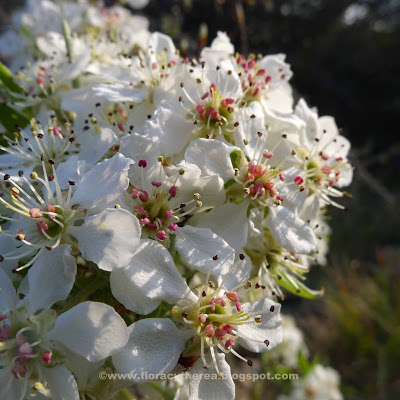
The genus pyrus includes over 30 wild species native to the world from the Atlantic coast to China. This species, the almond-shaped apius, is very common throughout southern Europe. It is a deciduous tree that can grow up to 10 m in height, although it usually does not exceed 5-6 m. Its fruits are edible but very stiff. Together with other wild native species, it has been a subject for grafting (grafting) with tame varieties since antiquity.
The cultivation of pears is known since ancient times. Homer mentions that the onchini (pear tree), together with other fruit trees, gifts of the gods, adorned the garden of Alkinoos,
"Ogres and groves and apples and apples of the field.
I am a sweet and an oily telegraph.
Odyssey Rhapsody H
Plutarch 50 -120 AD, in the Ethics, book VI (Aetias Greek) says that when Inachus, the legendary founder of Argos, transported the inhabitants of the mountains to the fertile plains of Boeotia, they had as exclusive food the wild pears, the archades. ( Archas - archados )
Probably from this tradition comes the idea that the wild pear was the bread of the Argives (Bauman). Another version he gives is that wild pears first appeared in the Peloponnese when the area was still called Apia and since then the pears were called apia. Apios the pear, apion the pear. Both versions have an obvious connection with the modern Modern Greek words for tree and fruit. Achras achrados = achladia achladia. Apios apion > apidia, hypok. Apidi.
In the father of botany, Theophrastus, we learn that the cultivation of the pear tree and other fruit trees was already quite advanced in the 4th century BC. Almost all the secrets of cultivation that help us today to assist nature in perfecting the pear tree, apart from pesticides and cross-pollination, were known in Theophrastus' time.
Pliny describes how the wild pear ripens very slowly. Sliced and dried in the air, it stops diarrhoea. A decoction made with the dried fruit and leaves is considered antispasmodic and against dysmenorrhea. It is also said that the ash from the wood of the pear tree is an effective antidote to mushroom poisoning.
Even today in some villages of the
Crete, they mash the styx fruits and make a mixture that they use against intestinal disorders and diarrhea.
In Kythera, as throughout the Mediterranean, the dense clusters of white pear blossoms glorify spring and are a real treat for the eyes.