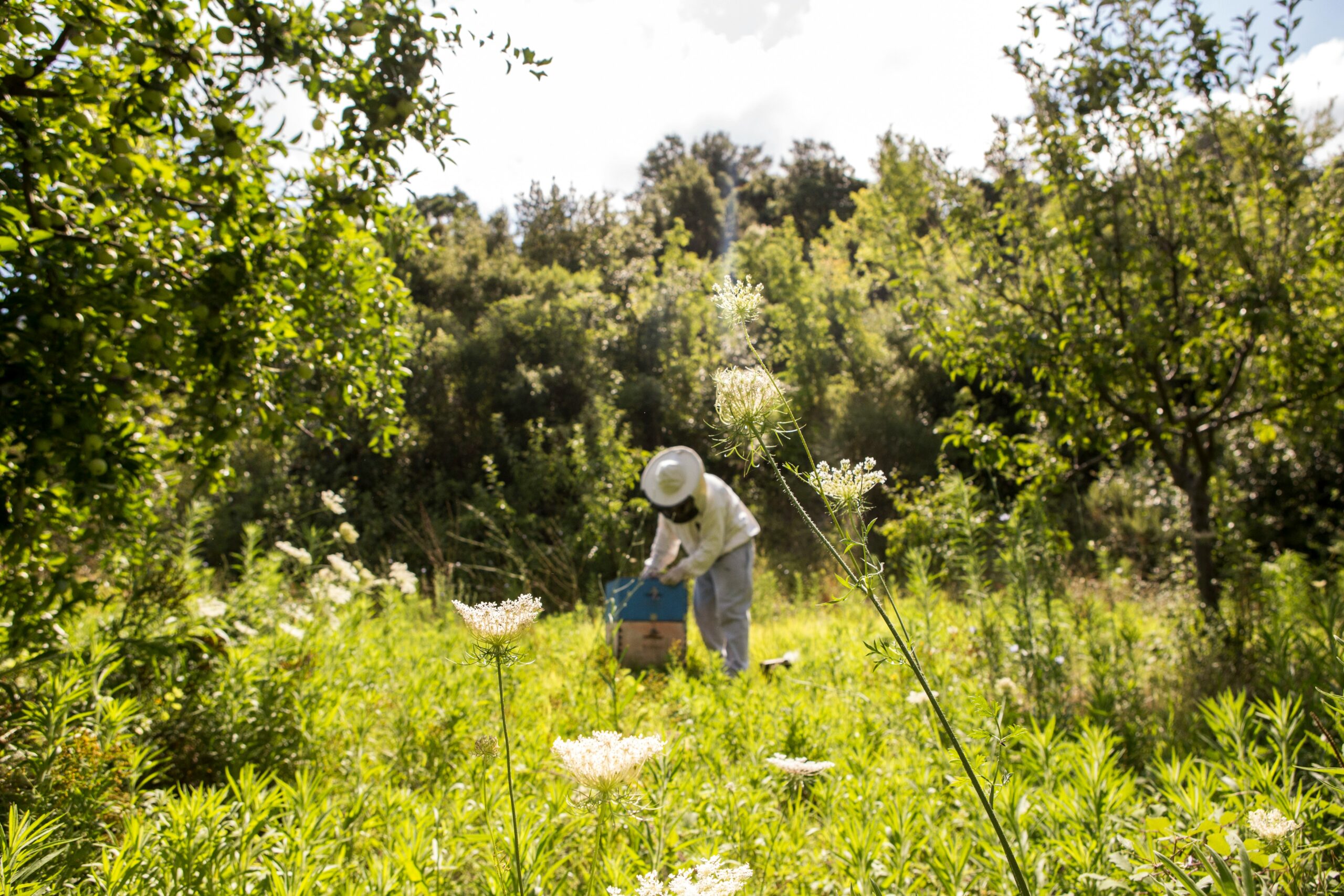
Since 2008, Turkey has been implementing an ambitious state programme called «Bal Ormanları» (Honey Forests), aiming to create specially designed forest areas to enhance beekeeping and honey production.
According to reports Anadolu Agency and of WebAgron, by the end of May 2025 Turkey has already reached the 827 beekeeping forests, exceeding the original target of 720 set for 2023. These forests are not random: they are selected on the basis of floral diversity, altitude and distance from industrial or urban pollution.
This strategy has helped Turkey to emerge as the 2nd largest honey producer in the world, behind only China. The 827th «Honey Forest» was established in the Sinope province - area with dense natural cover and beekeeping tradition.
Even more impressive is that Turkey has also proceeded to create a «Honey Forest» inside the its first national park, the Küre National Park, as reported the HaberTurk and the Niksar Danışmend.
The situation in Greece
At the same time, in Greece - despite the long tradition of beekeeping and the high quality of the products - lacks any organised state plan to strengthen the sector. There is no programme similar to the «Honey Forests», while the fires, the unregulated expansion of RES, the degradation of pastures and the absence of a strategic infrastructure have led to shrinking production and economic uncertainty for beekeepers.
Bee foragers depend every year on luck and weather conditions. And while Turkey plants aromatic plants for the bees, in Greece the forests are often... burned or destroyed by human activities.
Perspectives for Kythera: From tradition to sustainability
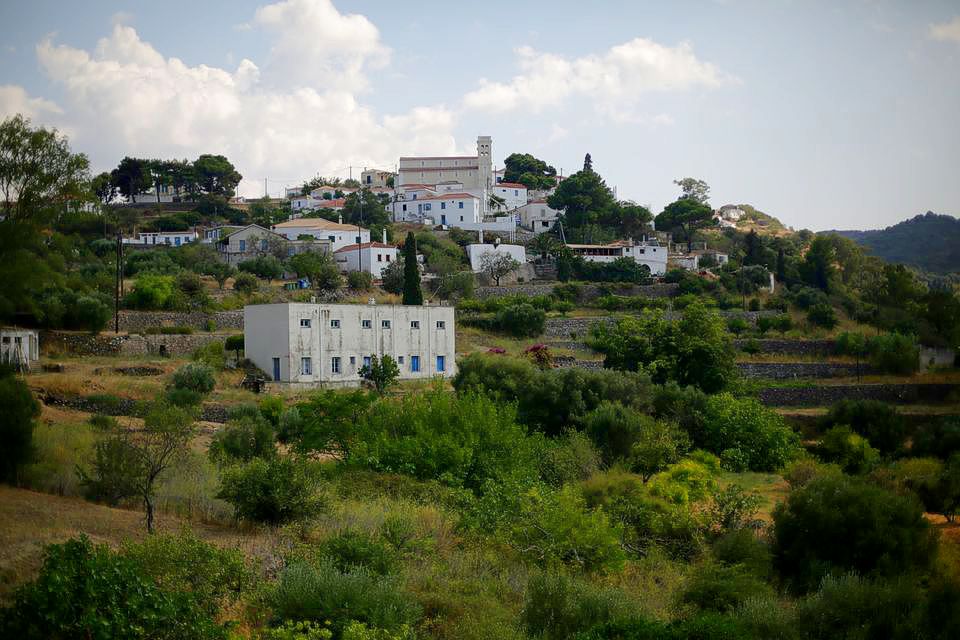
The Kythera, with their unique biodiversity, the herbs and their semi-mountainous morphology, are an ideal point for the implementation of a model beekeeping park with characteristics that could be integrated into a new national strategy.
Possible elements of the project:
- Planting of honey plants: Thyme, carob, oregano, sage, rosemary and asparagus.
- Establishment of “beekeeping zones” with provision for nomadic beekeeping.
- Information and Education Centre: for students, tourists and young beekeepers.
- PDO label - “Kythera Honey” with identity, certification and export potential.
- Development of ecotourism: visitable apiaries, herbal routes, honey tastings.
What is required:
- Cooperation between the Municipality of Kythera, the Ministry of Rural Development and non-governmental organizations (NGOs such as KIPA).
- Financial instruments through Leader, NSRF and CAP for the implementation of plantations, educational infrastructure and management.
- Incentives for young beekeepers and protection from arbitrary interventions in beekeeping sites.
The vision
Can Kythera become the «honey island» in the Mediterranean?;
The answer is Yes - as long as there is vision, cooperation and political will. The example of Turkey shows that beekeeping can be not only traditional, but also innovative, exportable and ecologically useful.
Kythera, with respect to nature and local communities, can lead this shift.
Kythera.News